ChatGPT Images 2.0 vs 2.5: What Changed?
 Minji Park
ChatGPT Images 2.0 was the version everyone talked about in spring 2026: the first ChatGPT image model that could put a headline on a poster and spell every word right. It isn't the current one anymore. Since September 8, 2026, the image generator inside ChatGPT runs on Images 2.5, and the 2.0 model, gpt-image-2, lives on mainly through the API.
Short answer. The current version is ChatGPT Images 2.5, released September 8, 2026. ChatGPT Images 2.0 (model gpt-image-2) launched on April 21, 2026 and introduced near-reliable text in images, a thinking mode and 2K output. Images 2.5 keeps all of that and adds up to 50% lower latency, sharper detail, better likeness from reference photos, steadier multi-turn edits, plus Sketch, templates and in-image comments in ChatGPT.
ChatGPT Image Models: The Full Timeline
ChatGPT has run on five different image models in three years.
| Date | Model | What it changed |
|---|---|---|
| October 2023 | DALL·E 3 | First image generation inside ChatGPT, for Plus and Enterprise (announced Sept 20, rolled out in October) |
| March 25, 2025 | GPT-4o image generation | Images made by the chat model itself, replacing DALL·E 3 for all plans (Outlook Business); the API version, gpt-image-1, followed on April 23, 2025 |
| December 16, 2025 | GPT Image 1.5 | Faster generation, edits that keep faces and lighting consistent, better small text (DataNorth) |
| April 21, 2026 | ChatGPT Images 2.0 (gpt-image-2) | Thinking mode, multilingual text rendering, output up to 2K (Neurohive) |
| September 8, 2026 | ChatGPT Images 2.5 | Up to 50% lower latency, better reference likeness, Sketch, templates, comments; API split into Flare and Sunburst (JOPR) |
The pattern is worth noticing. The DALL·E 3 era was a separate image model that ChatGPT wrote prompts for. Since March 2025 the images come from OpenAI's own GPT-based image stack, and every release since has been about control: text you can read, edits that don't wreck the rest of the picture, and, with 2.5, a subject that still looks like your reference after the fifth round of changes.
What ChatGPT Images 2.0 Introduced
ChatGPT Images 2.0 was a bigger jump than its version number suggests. OpenAI released it on April 21, 2026 as gpt-image-2, in ChatGPT, Codex and the API at the same time.
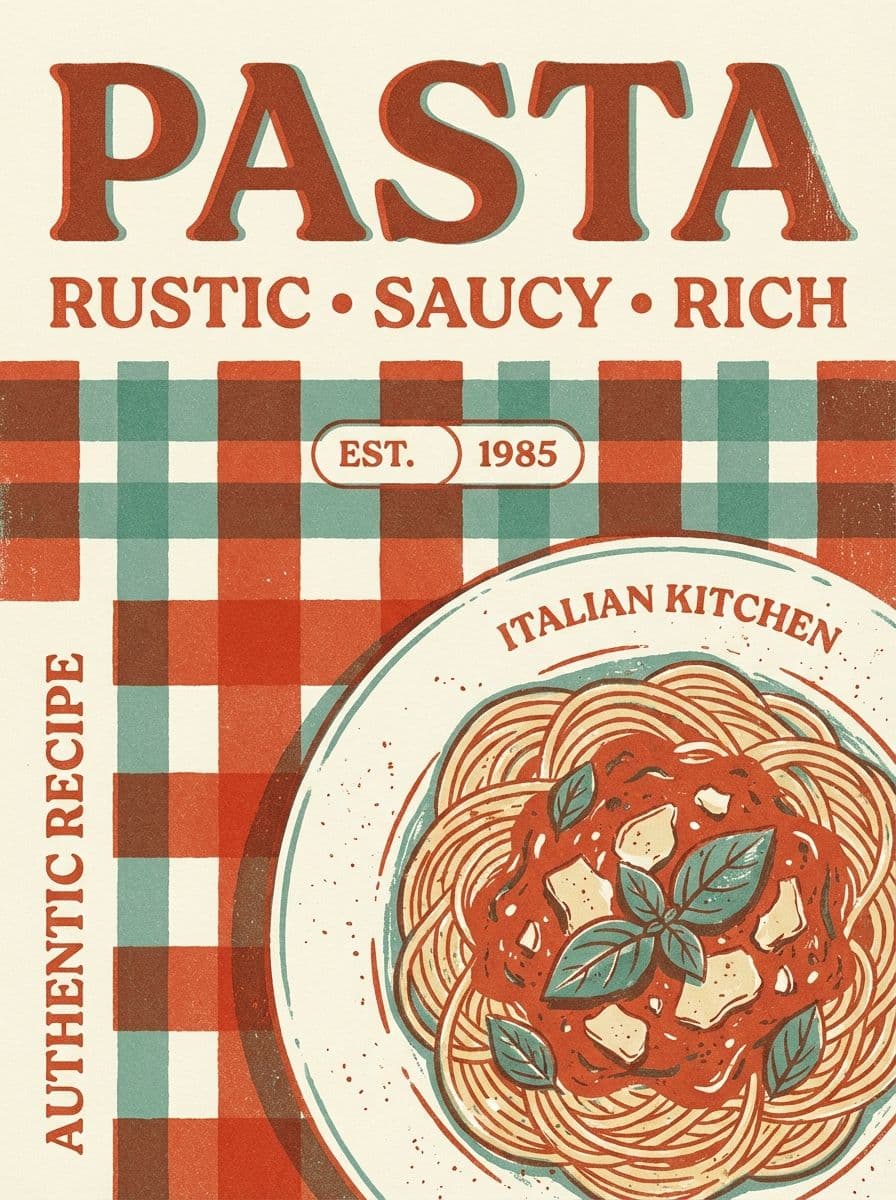
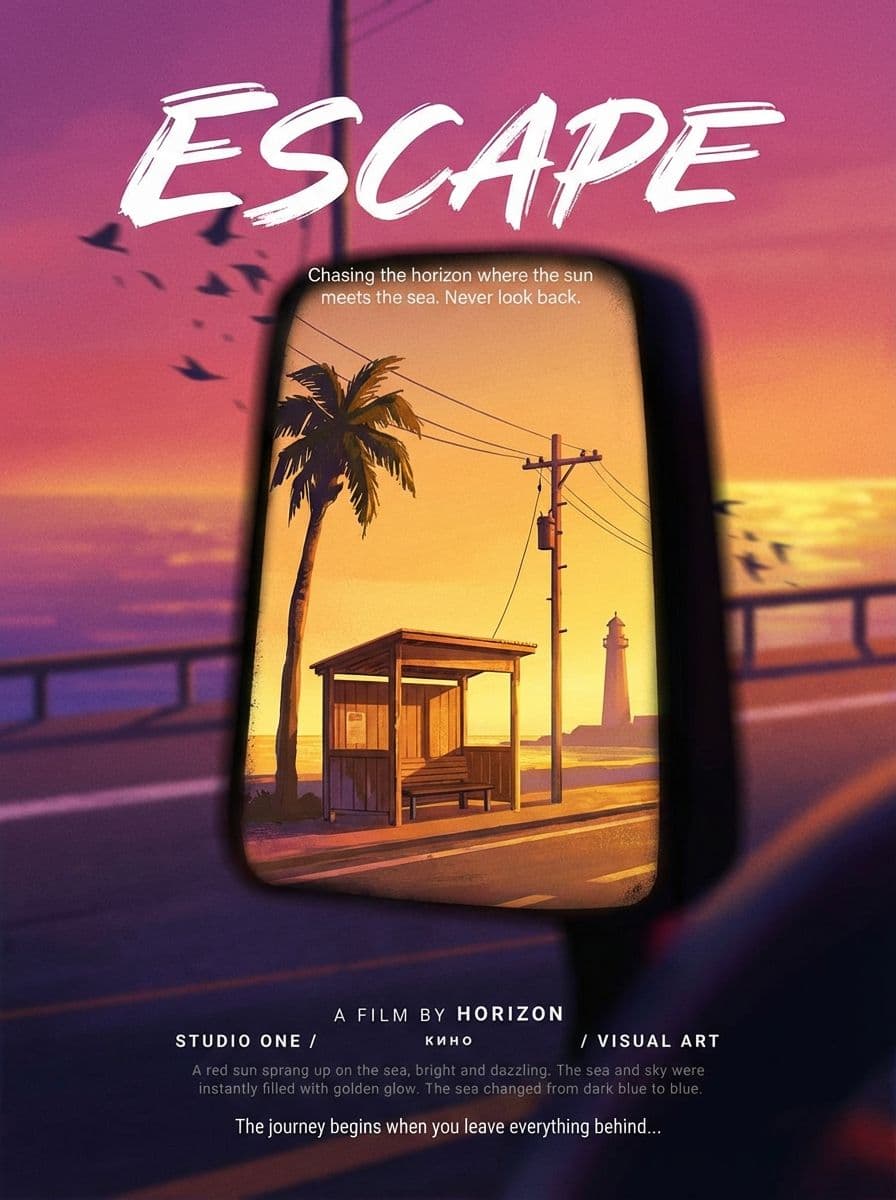
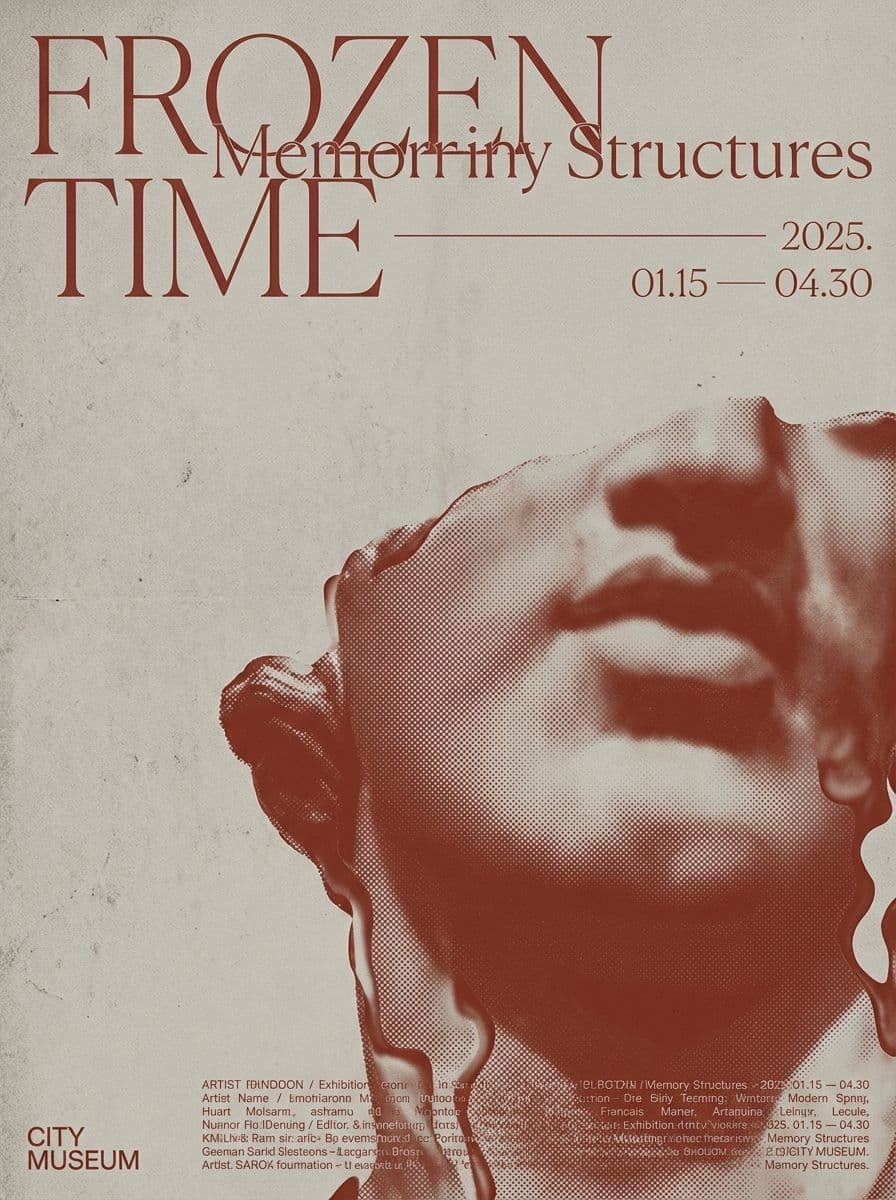
Text that actually spells correctly. Images 2.0 handled full headlines, labels and menus, and it did so across scripts beyond Latin, including Cyrillic, CJK and Indic languages, according to Neurohive's launch coverage. This was the feature that moved ChatGPT images from "concept sketch" to "usable poster draft."
A thinking mode. Before drawing, the model can reason about the prompt: where things go, what text belongs where, how the parts relate. Standard generation was open to everyone, including free users; thinking mode was limited to Plus, Pro and Business plans in ChatGPT. The reasoning pass is why instruction-heavy prompts ("three products in a row, price under each, logo top right") started landing on the first try.
Up to 2K output and more shapes. Images 2.0 raised the ceiling from about 1K to 2K on the long edge and accepted more aspect ratios, including wide and tall formats, instead of a small fixed set.
Those three changes are what defined Images 2.0. When a tutorial from mid-2026 says ChatGPT can now render text reliably, it's describing 2.0.
What Images 2.5 Adds on Top of 2.0
Images 2.5 doesn't replace 2.0's strengths; it builds on them. OpenAI's changes fall into two groups: the model itself, and the tools around it in ChatGPT.
Model improvements (GPT Image 2.5):
- Speed. Generation latency is down by up to 50% compared with Images 2.0.
- Detail and lighting. Sharper detail, more natural light and richer textures.
- Reference-subject preservation. A person, pet or product in an uploaded photo stays closer to the original in the generated image.
- Multi-turn edits. Instructions are followed more reliably across a long back-and-forth, so earlier fixes are less likely to come undone.
New tools in ChatGPT:
- Sketch. Type
@Sketchand draw a rough layout that becomes the visual reference. - Templates. Starting points for common formats such as posters, flyers, merchandise and product shots.
- In-image comments. Click a spot on the image and leave a comment to request a targeted change there.
- Prompt sharing. Share the prompt behind an image so someone else can start from it.
The ChatGPT Images 2.5 launch came with two API models instead of one. JOPR's summary of the release describes GPT-Image-2.5 Flare as the general-purpose default and GPT-Image-2.5 Sunburst as the slower option built for editing precision, with both available through the Images API and multi-turn editing through the Responses API. Inside ChatGPT you don't choose between them.
For how these tools work in practice, step by step, our guide to using the ChatGPT image generator walks through Sketch, templates and the free plan's limits.
ChatGPT Images 2.0 vs 2.5, Side by Side
| Feature | ChatGPT Images 2.0 (gpt-image-2) | ChatGPT Images 2.5 |
|---|---|---|
| Released | April 21, 2026 | September 8, 2026 |
| Text inside images | Multilingual, reliable for headlines | Same strength, carried over |
| Thinking mode | Yes (paid ChatGPT plans) | No change announced |
| Maximum output | Up to 2K | No change announced |
| Generation speed | Baseline | Up to 50% lower latency |
| Detail, lighting, texture | Good | Sharper, more natural |
| Keeping a reference subject | Can drift | Better preserved |
| Long edit conversations | Earlier edits can slip | More reliable across turns |
| Sketch, templates, comments | No | Yes, in ChatGPT |
| API models | gpt-image-2 | GPT-Image-2.5 Flare and Sunburst |
| Where you use it today | API and tools built on it | ChatGPT (all plans), API, tools |
The short version of the table: 2.5 is 2.0 that's faster and holds on to what you've already told it. Nothing in 2.0's feature list went away.
Which Should You Use: GPT Image 2.5 or GPT Image 2?
Inside ChatGPT there's no decision to make: the app uses Images 2.5 for everyone. The choice only comes up through the API or in a tool that lets you pick the model.
Use GPT Image 2.5 for most work. It's faster, and the reference-preservation gains matter whenever a real product or face is in the picture. If you'll be iterating ("warmer light", "move the bottle left", "now a square version"), 2.5's steadier multi-turn edits mean fewer rounds where something you liked changes.
Keep GPT Image 2 for consistency with existing work. If a campaign or a set of templates was built on 2.0's look, generating the next batch with the same model avoids a visible shift in style mid-series. It's also a useful second opinion: when a prompt isn't landing on one model, the other sometimes reads it differently.
Pick Sunburst over Flare (API) for precision edits. If you're calling the API directly and the job is detailed retouching rather than fresh generation, the slower Sunburst model is the one OpenAI positions for it.
In Playyy's GPT Image generator, GPT Image 2.5 is the default model, with Nano Banana Pro and Nano Banana Lite available as alternatives. You can compare GPT Image 2.5 with Nano Banana Pro by running the same prompt at the same aspect ratio (nine presets from 1:1 to 9:16) and resolution (1K, 2K or 4K), then keep whichever result fits. GPT Image 2 is not available in Playyy's model menu.
If you're weighing OpenAI's model against Google's instead, see our Nano Banana Pro vs ChatGPT comparison.
What Neither Version Does
Both versions share the same basic limit: every change is a new generation. Even an in-image comment in 2.5 redraws the picture to apply the edit, so small details can still move between versions. Neither gives you an exact pixel size, a crop box, or sliders for exposure and color. And neither knows your brand: colors, fonts and logo have to be re-described or re-uploaded in each new chat.
That's why the most reliable workflow pairs the model with an editor. Generate with GPT Image 2.5 or 2, then make the precise changes directly: click an element and describe the change so only that object is redrawn, or enlarge a 2K render with the AI image upscaler when a print or banner needs more pixels. For edits to photos you already have, rather than generated ones, our ChatGPT photo editor guide covers what to do in the chat and what to move to a canvas.
The brand gap closes the same way. In Playyy you paste your website URL and it builds a brand kit, extracting your brand colors, fonts, voice and tone, and logo, then uses it to draft on-brand designs with whichever model you picked, so the prompt no longer has to carry your style guide.
Prompts matter as much as the model version. Short quoted text, the format stated first and one change per message work better on both. The image prompting guide explains how to structure a prompt and an edit, and Playyy's Prompt Gallery has 1,000+ more ready-made GPT Image and Nano Banana prompts, alongside 1,000+ templates in the editor.
The Bottom Line
ChatGPT Images 2.0 was the release that made text in AI images dependable, added a thinking mode and pushed output to 2K. ChatGPT Images 2.5, out since September 8, 2026, is now the version in ChatGPT: up to 50% faster, better at keeping a reference subject intact, steadier over long edits, and equipped with Sketch, templates and in-image comments.
Use 2.5 by default; reach for GPT Image 2 when you need to match work already made with it. To generate with GPT Image 2.5 and then crop, adjust and finish the result on a canvas, try GPT Image 2.5 in Playyy.

Minji Park
I help indie creators, online educators and small product teams prepare launch visuals and social campaigns. My goal is to make launches feel polished and trustworthy — even when you are working without a designer.
Frequently asked questions
Images 2.0 was available to free ChatGPT users for standard generation, with the thinking mode reserved for Plus, Pro and Business plans. Since September 8, 2026, ChatGPT's image generator runs on Images 2.5, which is also available on the free plan with a daily image limit that OpenAI doesn't publish as a fixed number.