Gemini AI Photo Prompts: A Guide for Marketing Teams
 Emily Carter
Paid social for early-stage DTC brands means producing a lot of creative — fast, consistently, on a budget that doesn't support a production team. The pattern across that kind of volume is clear: generating an OK image with Gemini or any AI generator is easy. Generating one that's actually usable in a campaign takes a system.
The system isn't complicated. It's a prompt formula, a set of templates for the specific scenes that come up repeatedly in marketing, and a workflow for handling the editing step that almost every AI-generated image needs before it can run as an ad or a landing page hero.
Direct answer. A Gemini AI photo prompt produces campaign-ready images when it specifies six things: the subject, the environment, the lighting direction and quality, the visual style, the composition, and what to exclude. Most prompts that produce generic results are missing two or three of these elements. Adding them doesn't make the prompt longer — it makes it more specific, which is what narrows the model's output to something you can actually use.
How Gemini Processes Photo Prompts
Gemini's image generation (available at gemini.google.com) runs on Google's Nano Banana image models, trained on large datasets of images and text descriptions. When you submit a prompt, the model produces pixels that are statistically consistent with both the text description and its learned understanding of what photographic images look like.
The practical implication: Gemini is better at things that appear frequently in photographic imagery and worse at things that are rare or that require precise semantic binding. "A product on a marble surface in natural light" is common in photography; Gemini has strong priors for it. "A CEO standing on a rooftop in Singapore at 4pm on a Thursday" requires specific semantic binding across multiple rare conditions; results are less consistent.
Knowing this changes how you write prompts. Describe the scene in terms of photographic conventions — lighting type, surface material, color temperature, compositional structure — rather than narrative or conceptual terms.
The Prompt Formula That Gets Consistent Results
After testing hundreds of prompts across accounts, here's the formula that produces the most consistent campaign-ready output:
[Subject] + [Environment] + [Lighting] + [Style] + [Composition] + [Negative constraints]
Subject: Be specific about what the subject is doing and what its key visual properties are. "A glass skincare serum bottle" not "a product."
Environment: Name the setting concretely. "On a white marble bathroom counter" not "in a bathroom." The model needs a visual anchor.
Lighting: Specify direction and quality. "Soft diffused natural light from the left, warm morning tones" is usable. "Good lighting" is not.
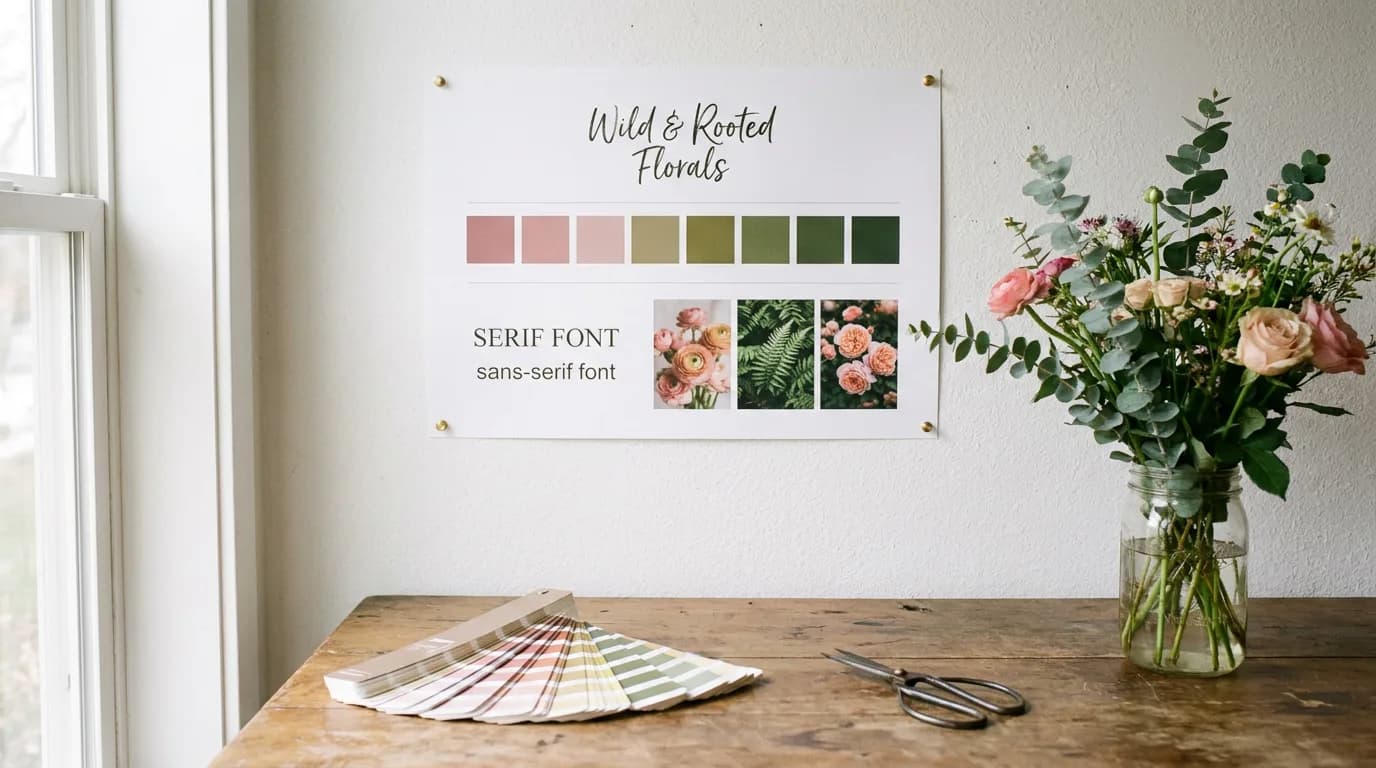
Style: Anchor the visual treatment. "Photorealistic product photography" tells the model you want something that looks like a camera image, not an illustration. "Editorial fashion photography, film grain" gives a different but equally specific direction.
Composition: Give the model a structural constraint. "Centered subject with neutral negative space on the right" or "rule of thirds, subject left-anchored" both constrain the output toward compositions that work in marketing layouts.
Negative constraints: End every prompt with what you don't want. "No text, no watermark, no logo, no model" for clean product shots. This consistently reduces generation artifacts.
Negative constraints are the highest-leverage habit in prompt writing, and the reason is mechanical: diffusion models don't reason about absence, so an unspecified element is free to appear. Explicitly excluding the failure modes you keep hitting — stray letters in backgrounds, watermarks, extra limbs, unwanted objects drifting into frame — removes the most common causes of an unusable generation rather than improving the good ones.
12 Ready-to-Use Gemini AI Photo Prompt Templates
Product Hero Shot
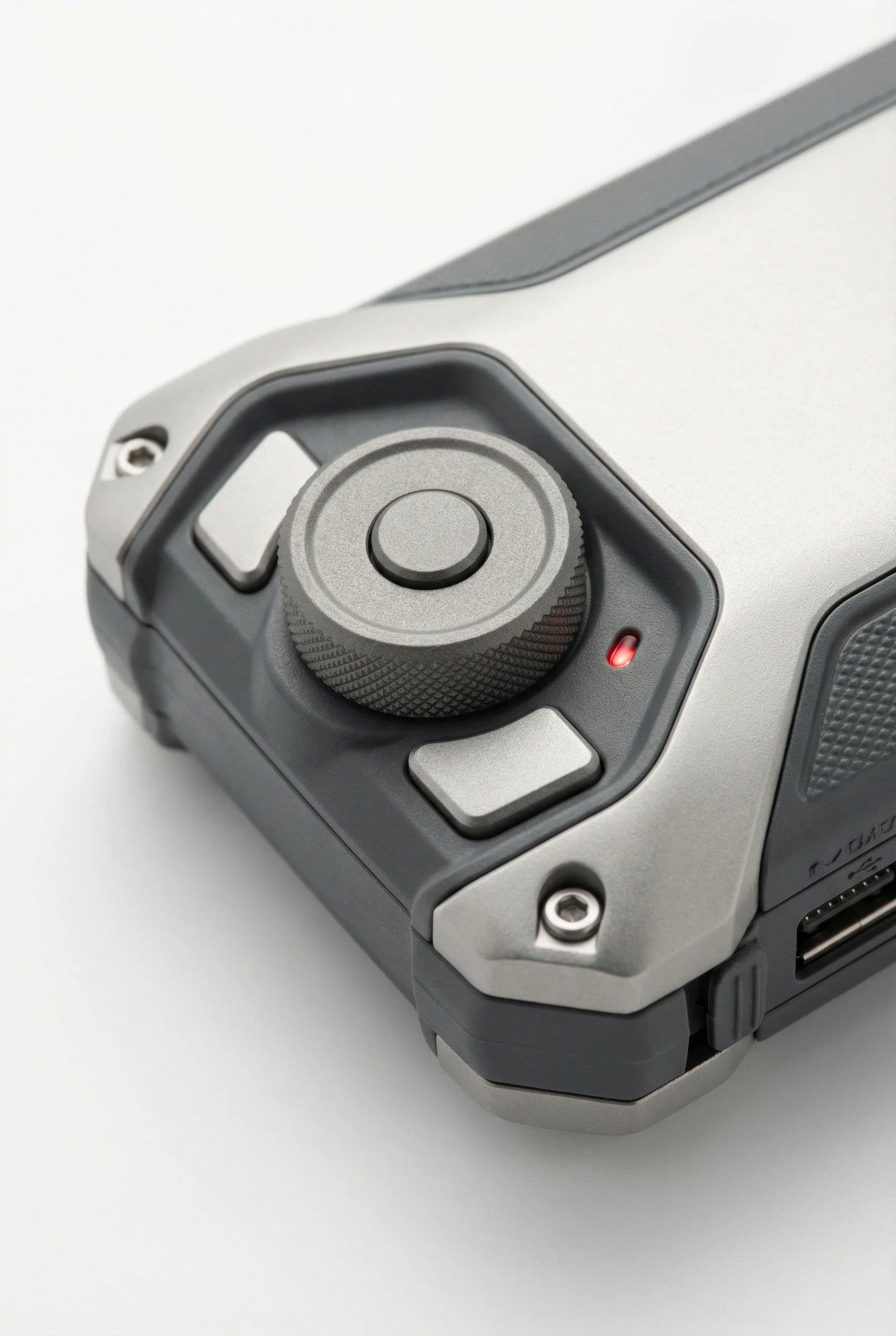
[Product name and description] on [surface material] in [setting], [lighting direction and quality], photorealistic product photography, centered composition with generous negative space, no text, no watermark, no hands
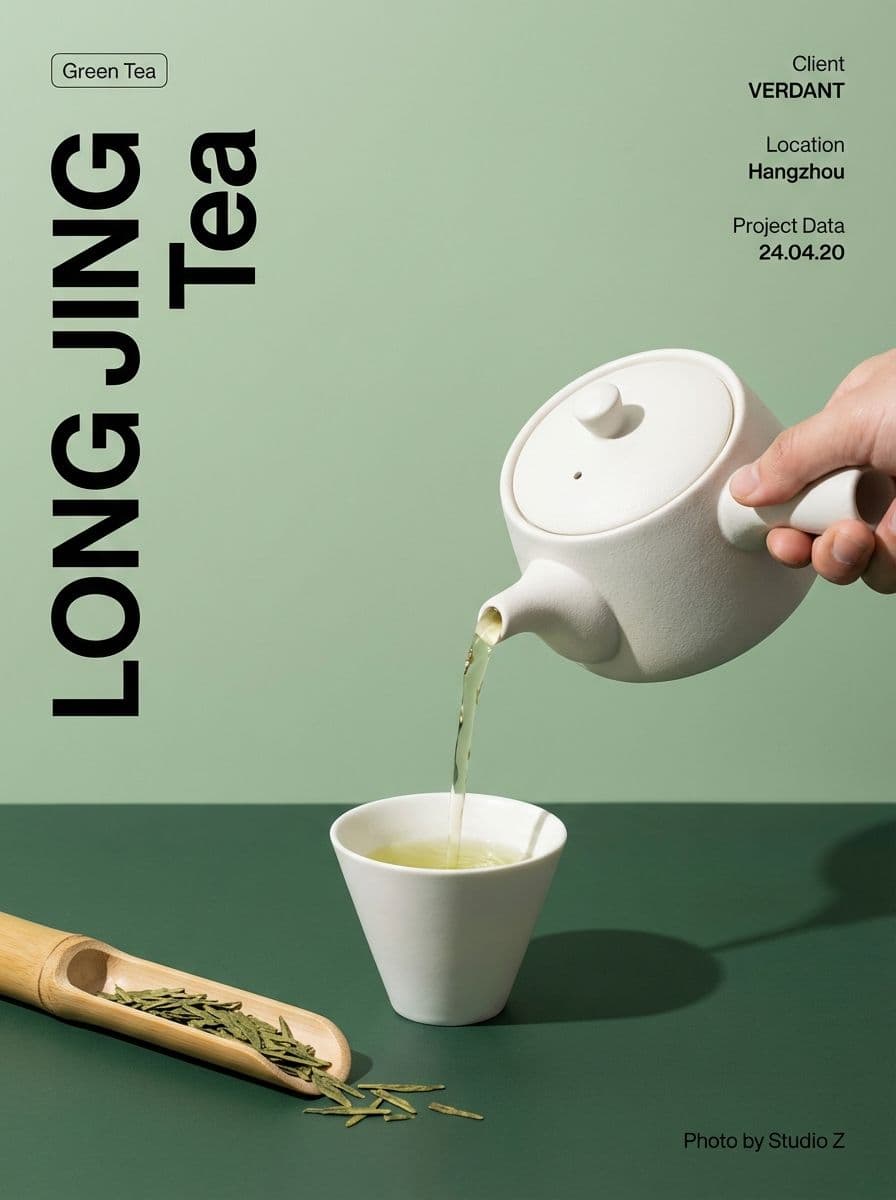
Example: "A matte black aluminium water bottle on a polished concrete surface in a minimal kitchen, soft diffused light from the upper left, warm tones, photorealistic product photography, centered with white negative space to the right, no text, no watermark"
Lifestyle Scene — Product in Use
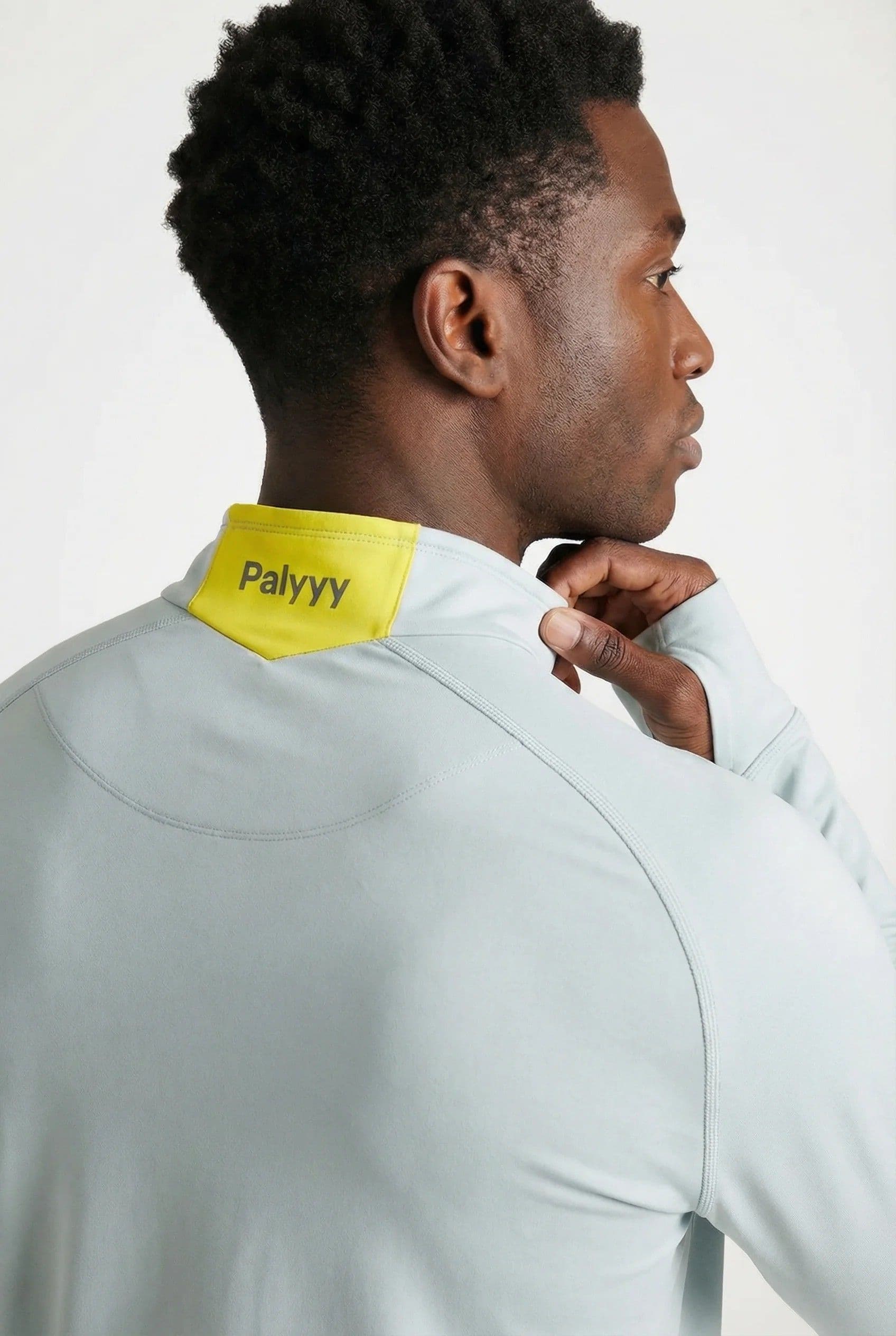
[Person description] using [product] in [environment], [activity description], [lighting], photorealistic lifestyle photography, [composition], no text, no watermark
Professional Headshot Background
[Background description] for a professional portrait, [lighting], depth of field with soft background blur, photorealistic, no text, no watermark, no people
Use this to generate a background. Strip the background from your portrait with Playyy's background remover, then composite the subject on top.
Social Media Story — Vertical
[Subject] in [environment], [lighting], photorealistic, vertical 9:16 composition, centered subject with clear space at top and bottom for overlay text, no text, no watermark
Flat Lay Product
[Products and props list] arranged in a flat lay on [surface], overhead view, [lighting], photorealistic product photography, organized composition, no text, no watermark
Email Header — Wide
[Scene description], wide horizontal composition, [lighting], photorealistic, generous negative space in the center-left third for text overlay, no text, no watermark
Brand Story / Mission Shot
[Founder or artisan] [action description — crafting, building, working] in [workspace or environment], [lighting], photorealistic documentary photography, close-up with shallow depth of field, authentic and unposed, no text, no watermark
Example: "A candle maker pouring wax into glass vessels at a wooden workshop table, warm late-afternoon light from a side window, photorealistic, close-up with soft background blur, hands visible and detailed, no text, no watermark"
Event or Workshop Announcement
[Event type or venue description] set up for [audience type], [lighting], photorealistic event photography, wide shot showing atmosphere and scale, empty venue before guests arrive, no people, no text, no watermark
Example: "A workshop room with laptops and notebooks arranged on long tables, mid-morning natural light through large windows, photorealistic, wide shot, warm and inviting atmosphere, no people, no text, no watermark"
Seasonal or Holiday Campaign
[Product or service category] styled for [season or holiday], [seasonal props and color palette], [lighting], photorealistic product or lifestyle photography, [composition], no text, no watermark
Example: "A skincare gift set surrounded by winter botanicals and pine cones on a marble surface, cool morning light from the left, soft focus background, photorealistic product photography, centered composition with white negative space, no text, no watermark"
Before/After Comparison Background
Neutral split-composition background for a before/after image comparison, [surface material or minimal backdrop], equal soft diffused lighting across both halves, photorealistic, clean and minimal, no subjects, no props, no text, no watermark
Use this as a base layer — composite before and after images on each half as separate elements.
Team or Culture Photo Background
[Office, studio, or outdoor workspace environment] suitable as a backdrop for a professional team photo, [lighting direction and quality], photorealistic interior or exterior photography, clean and uncluttered, [composition with clear foreground space], no people, no text, no watermark
Example: "A modern open-plan office with plants and natural light, afternoon sun from the right, photorealistic, wide shot with clear foreground floor space for compositing people in front, no people, no text, no watermark"
Testimonial Pull-Quote Background
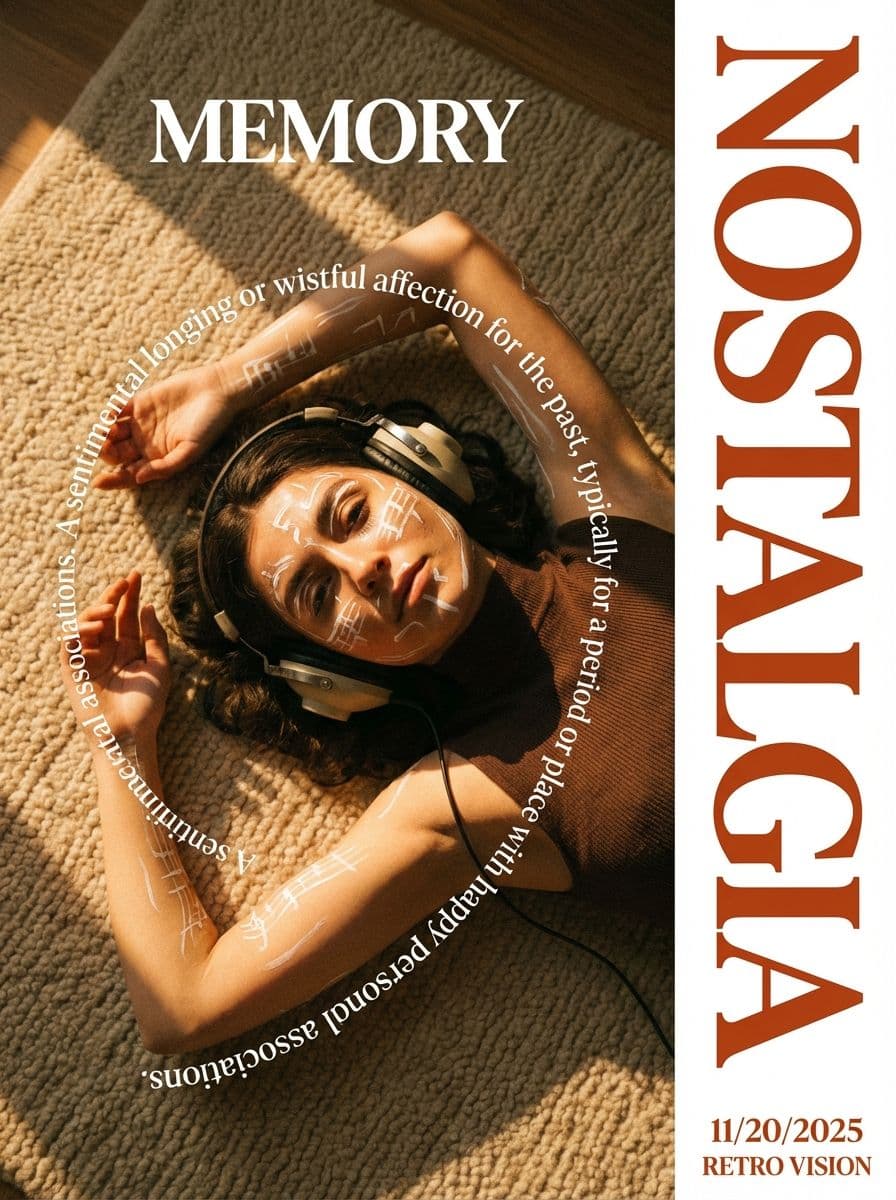
[Atmospheric scene or abstract texture], [color palette and tone description], photorealistic, slightly soft focus, desaturated enough for dark text overlay, clear central negative space for a pull-quote block, no faces, no text, no watermark
Example: "Soft bokeh coffee shop background, warm amber and brown tones, photorealistic, slightly blurred, 30% desaturated, clear centered negative space suitable for a white text block, no faces, no text, no watermark"
What to Do When the Generated Photo Needs Editing
Most Gemini-generated images need at least one editing pass before they're campaign-ready. The most common issues, and the fix for each:
Hands look wrong. This is the most frequent generation artifact across all diffusion models. Fix: use Playyy's inpaint replace tool to mask the hand area and regenerate just that region with a description of what the hand should look like. Two to three targeted inpaint passes resolve most hand issues.
Text or logos appear in the background. Even with "no text" in the prompt, occasional text artifacts appear in backgrounds. Fix: mask and inpaint the text region. Takes 30 seconds.
The generated image is close but the background needs to change. If the background color or environment doesn't match the campaign brief, use split layers in Playyy to separate the subject from the background, then replace the background with a new AI-generated scene or a solid color. This preserves the subject you generated while giving you full control over the background.
The style needs to match existing brand assets. Apply style transfer to push the generated image toward the brand's established visual treatment. This is the fastest way to make a freshly generated image feel like it came from the same shoot as your existing assets.
For a related workflow on editing ChatGPT-generated images, see ChatGPT Alternative for Image Editing — many of the same editing steps apply.
Common Gemini Photo Prompt Mistakes
Using conceptual language instead of visual language. "Innovation," "success," "connection" — the model doesn't translate these into usable images reliably. Describe the visual scene, not the concept.
No lighting specification. Lighting is the single most differentiating quality in photography. An unspecified prompt produces the model's default lighting, which is usually flat and uninspiring. Add a lighting direction and quality every time.
Prompting for real brand logos or products. AI generators struggle to reproduce real logos accurately and can produce copyright-sensitive outputs. The better workflow: generate the environment or lifestyle scene, then composite your real product photo on top using Playyy's editing tools.
Expecting usable text in the image. Don't prompt for text in a generated image. Generate the image text-free, then add real typography as a designed text layer in your layout tool.
The economics of variant testing change completely once generation replaces photography. A traditional shoot makes each additional visual direction expensive, so teams commit early and test copy instead. Generated imagery makes the fifth variant cost roughly what the first did, which moves the testable variable from headline wording to the image itself — usually the higher-leverage half of an ad.
The difference between AI image prompting as a time-waster and as a genuine creative leverage tool is specificity. Vague prompts produce vague images. Specific prompts — scene, lighting, composition, negative constraints — produce results you can actually run in A/B tests, landing pages, and paid social. See edit color image A/B test campaigns for the downstream workflow once you have the generated assets.

Emily Carter
I help marketing teams at early-stage SaaS companies and DTC brands produce more campaign assets without losing brand consistency. My focus is on practical workflows for growth marketers — from paid social testing to creative iteration.
Frequently asked questions
The most reliable formula: Subject + Environment + Lighting + Style + Composition + Negative constraints. Example: 'A DTC skincare product on a marble surface, morning kitchen environment, soft diffused natural light from the left, photorealistic product photography, centered composition with neutral negative space, no text, no watermark.' Each element narrows the model's interpretation and increases output consistency.