What Is Brand Identity, and What Does It Include?
 Claire Dubois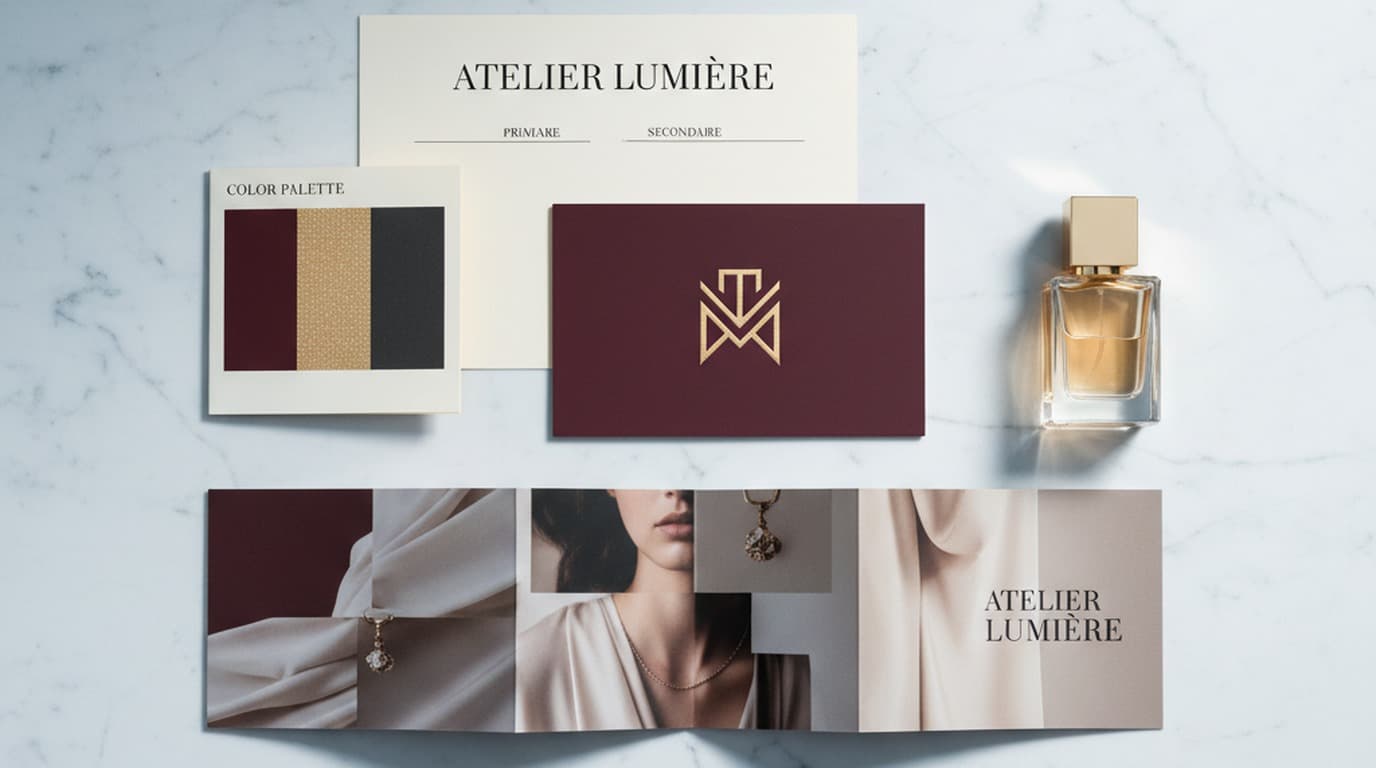
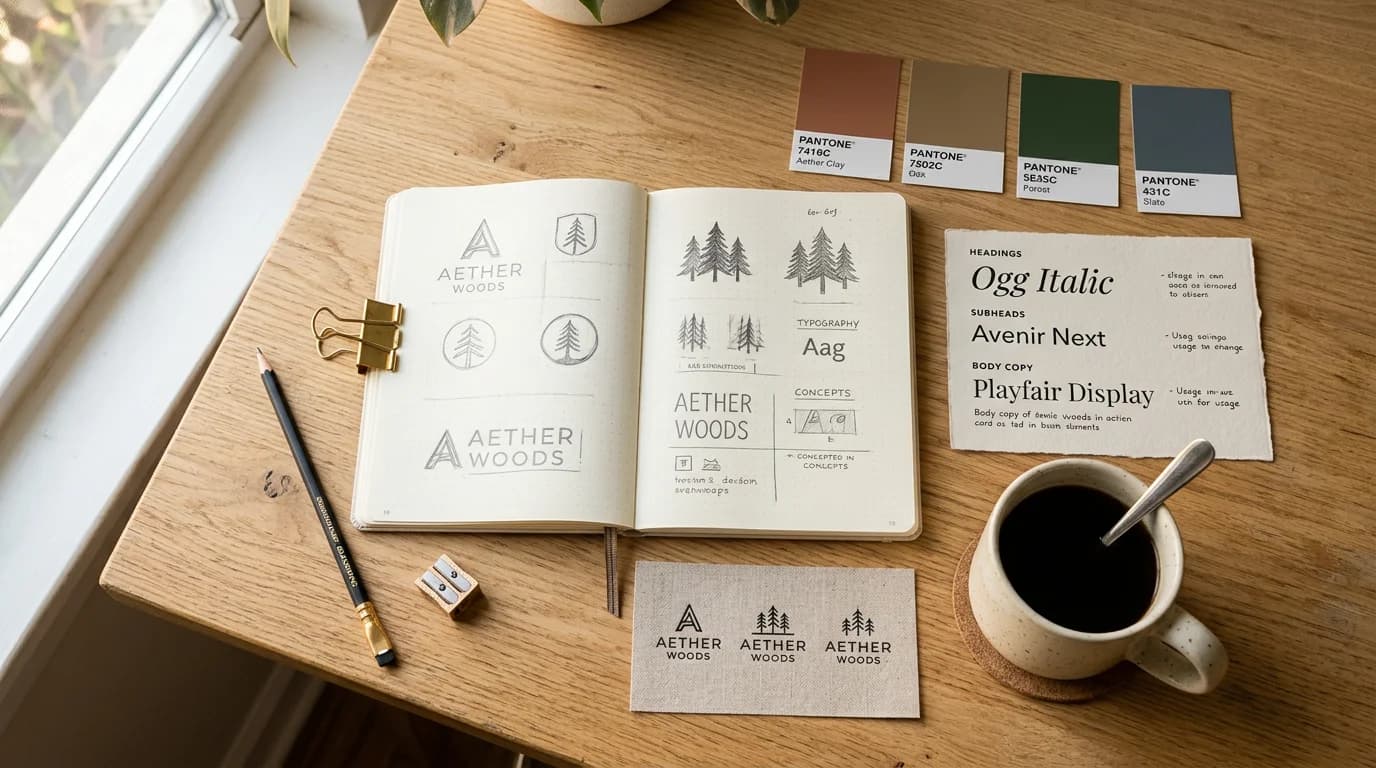
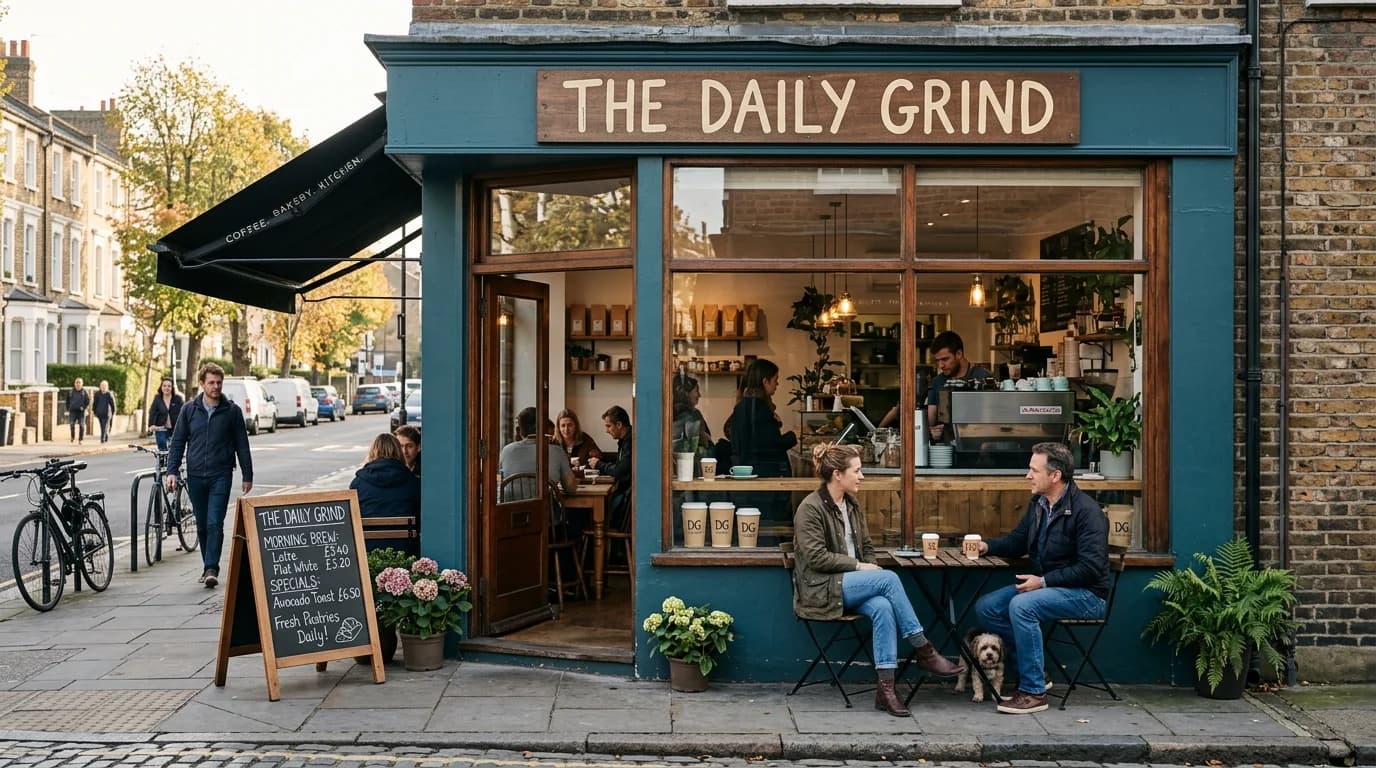
Brand identity is the set of choices a business makes on purpose about how it looks and sounds: its name and logo, colors, fonts, photography style, tone of voice and the layout habits that hold them together. Ask what is brand identity in a design studio and you'll get a long answer about systems. Ask a café owner and you'll get "the green cups and the hand-drawn menu." Both are right. Identity is whatever a business repeats so consistently that customers start to recognize it before they read the name. It's also different from what customers think of you, which is brand image, and the gap between the two is where most branding problems live.
Direct answer. Brand identity is the deliberate visual and verbal system a business uses to present itself: name, logo, color palette, typography, imagery style and tone of voice, applied the same way everywhere. It's what the business controls. Brand image, by contrast, is how customers actually perceive the business, shaped by that identity plus their real experience of it.
Brand Identity, Defined
There's a quick way to check whether a business has a brand identity: take one of its ads, posts or packages, cover the logo, and ask whether you could still tell whose it is. If yes, the identity is doing its job. If it could belong to any of a dozen competitors, the business has a logo but not much of an identity.
That test points at what identity really is. It's not one asset. It's a short list of choices, repeated:
- a name and a logo, plus the rules for using it
- a small color palette with exact values
- one or two typefaces and a consistent hierarchy
- an imagery style, whether photos, illustration or both
- a tone of voice for everything written
- layout habits: spacing, alignment, where the logo goes
People often use "brand," "branding" and "brand identity" as if they mean the same thing. They're related but separate. The brand is the overall reputation and relationship a business has with its customers. Branding is the work of shaping it. Brand identity is the part of that work you can see and hear: the visible, audible output that people learn to recognize.
The Elements of Brand Identity
Each element has a specific job. Getting the job right matters more than getting the element fancy.
Name and logo. The logo is the signature, the thing that confirms who made this. Most businesses need several versions: a full horizontal logo, a stacked one for square spaces, a small icon for profile pictures and favicons, and light and dark variants.
Color palette. Color is usually the first thing people register, often before any words. A workable palette has one or two primary colors that appear almost everywhere, a couple of supporting colors, and neutrals for backgrounds and text. Each needs exact values (hex for screens, CMYK for print) so it looks the same on a sign as on a phone.
Typography. Type carries personality before anyone reads a word. A heavy geometric sans-serif says something different from a light, classic serif. Two families is usually plenty: one for headlines, one for body text.
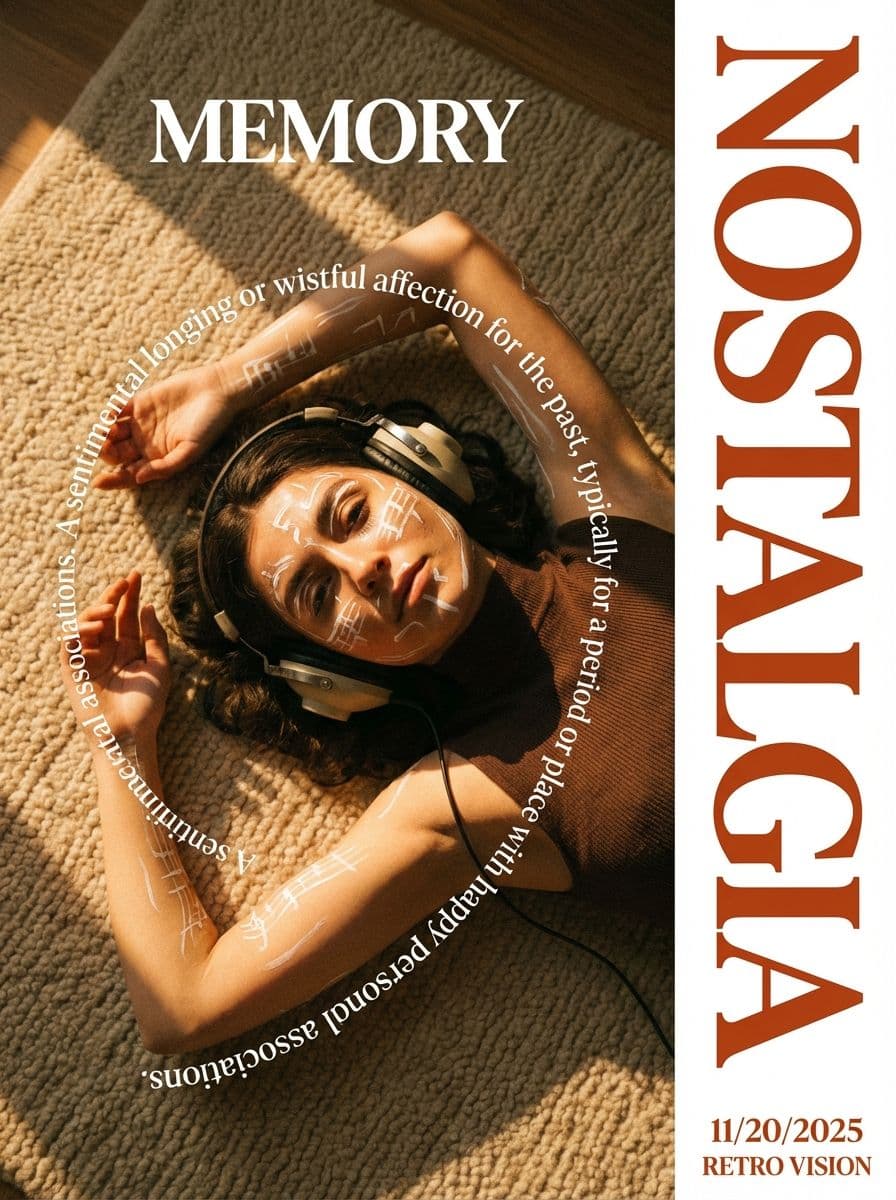
Imagery. This is the element most identities leave vague, and the one that does the most to make different pieces look related. Define the light (warm or cool, soft or hard), the subjects, the framing, and how much space surrounds the product or person.
Voice. How the business writes: short or long sentences, formal or casual, jokes or none. "Book your table" and "Reserve your dining experience" can describe the same restaurant, but they signal two different places.
Layout habits. Margins, alignment, the size of headlines relative to images, where the logo sits. These small habits are why a well-branded flyer and a well-branded Instagram post feel like siblings even when they share no images.
A strong identity doesn't need every element to be distinctive. Coca-Cola is a good example of one element carrying unusual weight: the company's own history of the contour bottle describes a 1915 brief for a bottle so distinct you could recognize it by feel in the dark or lying broken on the ground, and the shape became a registered trademark in 1961. For a wider set of real and small-business cases, see these brand identity examples grouped by business type.
The 5 Pillars of Brand Identity
The visual elements above sit on top of strategy. Frameworks differ in their labels, but most come down to five pillars:
- Purpose. Why the business exists beyond making money.
- Positioning. Who it serves, and how it differs from the alternatives.
- Personality. The human traits it shows: warm, precise, playful, serious.
- Voice. How that personality sounds in words.
- Visual identity. How it looks: logo, color, type, imagery, layout.
The first three are decisions you make on paper. The last two are where customers meet them. When the visual identity contradicts the strategy, customers believe the visuals. A law firm that wants to feel approachable but uses heavy black type and stock photos of handshakes will read as formal, whatever its mission statement says.
Nike shows how a clear purpose shapes everything downstream. Its stated mission is to "bring inspiration and innovation to every athlete in the world," with the footnote "If you have a body, you are an athlete." That one line explains the voice (direct, encouraging), the casting (ordinary people next to professionals) and the imagery (effort and motion rather than products on pedestals).
Brand Identity vs Brand Image
Brand identity and brand image are two sides of the same exchange. Identity is what you send. Image is what lands.
| Brand identity | Brand image | |
|---|---|---|
| What it is | The look, sound and message a business chooses | The impression customers actually hold |
| Who controls it | The business | Customers, shaped by the business |
| Built from | Logo, colors, type, imagery, voice, layout | Identity plus product quality, service, reviews, chatter |
| How you check it | Brand guidelines and a review of your own assets | Reviews, surveys, comments, what people repeat to you |
| How fast it changes | As fast as you can redesign | Slowly, one experience at a time |
A simple example: a new coffee shop picks a calm palette of sage and cream, soft photography and a quiet, friendly voice. That's the identity, and it says "slow down, stay a while." If the music is loud, the seating is hard and the line is always out the door, customers will describe it as "busy and rushed." That's the image. The identity didn't fail; the experience disagreed with it.
The fix runs in both directions. Sometimes the business needs to change the experience to match the identity. Sometimes the identity was promising the wrong thing and should change to match what the business really is. Either way, the gap between identity and image is the most useful number a brand can measure, even if it's measured with a stack of reviews rather than a spreadsheet.
Write Your Identity Down as Decisions, Not Adjectives
Most brand identities fail in production, not in design. The logo is good, the palette is good, and six months later the Instagram feed, the website and the flyers all look like different businesses. The cause is usually that the identity was written as adjectives instead of decisions.
Written as adjectives: "Our brand is warm, sophisticated and approachable."
Written as decisions: "Primary color #C4935A (warm amber). Headlines in Canela Light, body in Favorit Regular. Photography in warm natural light, subjects at medium distance, with the room visible around them."
Anyone can apply the second version: a new hire, a freelancer, a print shop, an AI design tool. The first version depends on who's interpreting it, so it produces a different result every time. That's why keeping the identity consistent across channels, covered in our guide to brand consistency, starts with how the identity is written in the first place.
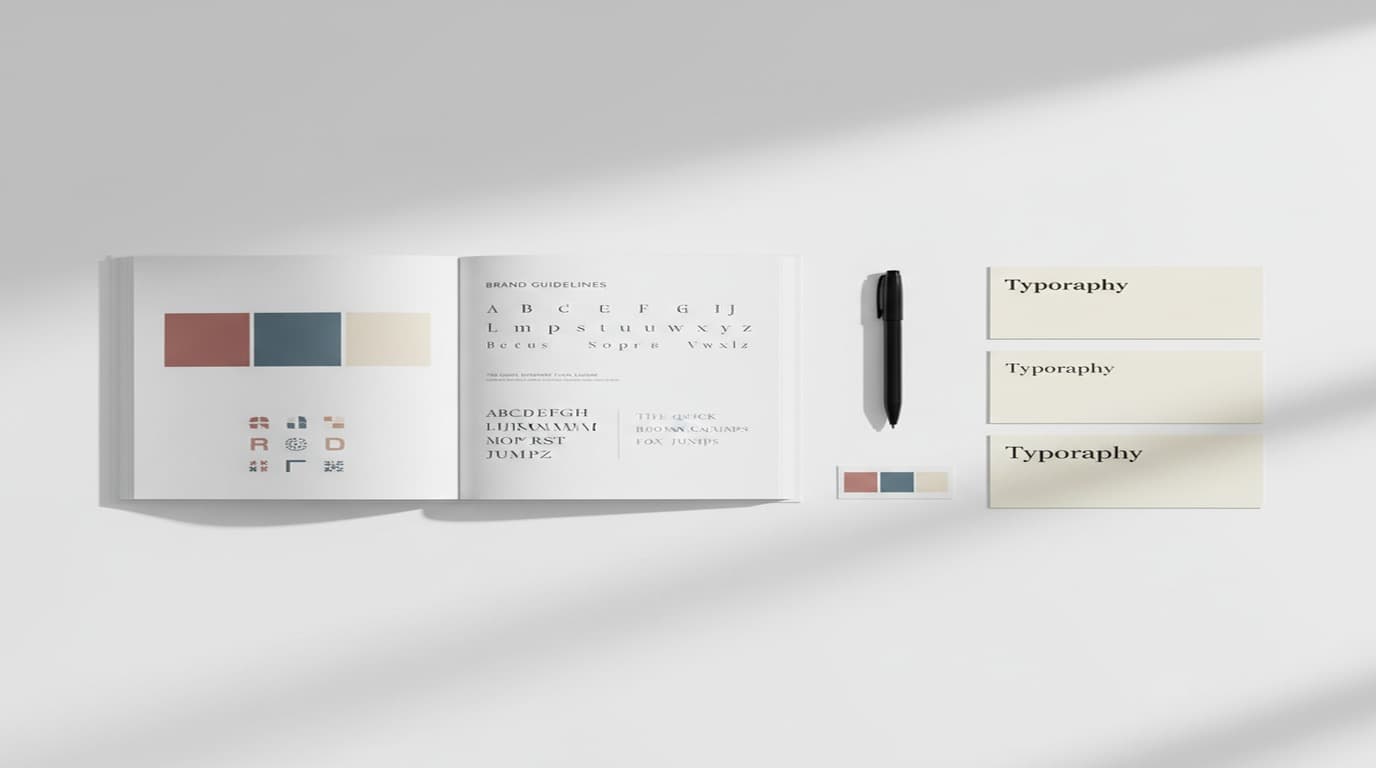
A useful brand guide includes, at minimum: logo files and placement rules, exact color values, font names and sizes, five to fifteen reference images, three or four voice rules with real examples, and one finished example of a correct flyer or post. Our walkthrough on building a brand style guide covers each section in more detail.
Where AI Design Tools Fit
AI image and design tools have made it cheap to produce a lot of content quickly. They've also made off-brand content cheap. Ask a general model for a "premium skincare ad" and it will produce a polished average of every premium skincare ad it has seen: clean, competent, and anonymous.
The model can apply an identity; it can't invent yours. Distinctive output comes from giving the tool specific inputs: your hex codes, your fonts, your logo, your reference images, your voice rules. In Playyy, the brand kit generator reads your website URL (or a PDF or images you upload) and pulls out your logo, colors, headline and body fonts, and written guidelines for voice, imagery and composition. Those settings then apply automatically to each new design, so a poster, a deck and a social post all start from your identity rather than from a generic default.
The decisions still have to be yours. A brand kit records taste; it doesn't supply it. Review what comes out against the same question you started with: with the logo covered, does this still look like you?
The Short Version
Brand identity is the set of choices a business makes about how it looks and sounds, applied the same way everywhere. It sits on five pillars (purpose, positioning, personality, voice and visual identity) and it's different from brand image, which is what customers actually take away. Write the identity as decisions rather than adjectives, keep it in one place your whole team and your tools can use, and check every new piece against the covered-logo test. If the logo is the piece still missing, Playyy's AI logo generator gives you a starting mark to build the rest of the identity around.

Claire Dubois
I advise fashion, beauty, lifestyle and hospitality brands on campaign direction, brand storytelling and visual consistency. I care deeply about how brands use AI tools while preserving taste, restraint and a coherent art direction.
Frequently asked questions
Brand identity is the set of deliberate choices that makes a business recognizable: its name and logo, color palette, typography, imagery style, tone of voice and the layout habits that tie them together. It's what the business controls and repeats. The test is simple: cover the logo on any ad or post, and a strong identity is still obvious.