How a Venue Makes Weekly Event Flyers Without a Designer
 Minji Park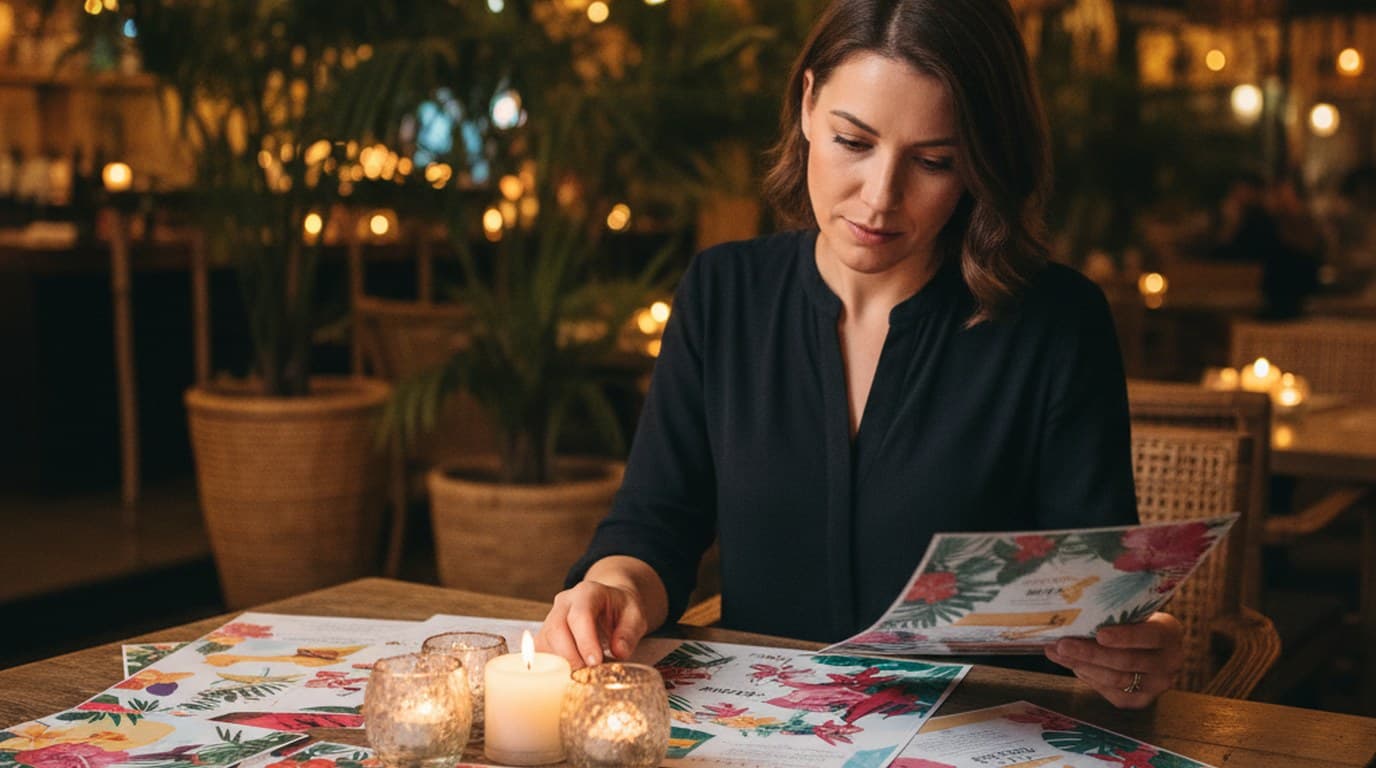
Sofia Reyes manages events at a 120-seat venue that runs an average of four to six events per week — themed dinners, live music nights, private party packages, and corporate bookings. Every event needed promotional materials: a flyer for the lobby and local posting, a social post for Instagram, and a digital invitation for the mailing list.
Before Playyy, that meant three things: a brief to the freelance designer on retainer, a three-day wait, and an invoice that averaged $300 per event across the year. For six events a week, the math was unsustainable as a fixed cost against the venue's marketing budget.
The economic equation for high-frequency promotional content — where the same formats repeat weekly with different event details — tips decisively toward AI generation once the initial visual template is established.
The result. Sofia replaced a $300-per-event freelance design workflow with Playyy's AI image generator and Edit Elements. Weekly promotional materials — lobby flyer, digital invitation, and Instagram post — now take under two hours to produce per event, and materials are ready twelve to fourteen days before each event rather than the previous three-day lead time.
The Repetition Problem in Venue Marketing
The core inefficiency wasn't the design work itself — it was the repetition. Every Jazz Night needed the same format as the previous Jazz Night, just with new dates and a different performer name. The layout, dimensions, and visual treatment were identical. But because the designer was producing it fresh each time rather than from a locked template, each iteration cost the same as the first.
Publishing promotional material well before an event date consistently outperforms publishing a few days out, because a local audience needs time to put the date in a calendar. For the venue, the bottleneck wasn't the decision to promote early — it was the production lead time that made early promotion difficult to execute consistently.
Sofia needed a workflow where she could go from event brief to finished promotional set in the same afternoon. The constraint was that the materials had to look professional enough to sit alongside the Michelin-recommended restaurants and premium cocktail bars she was competing with for the same weekend audience.
Building the Venue's Visual Template
Hospitality venues that produce branded promotional materials consistently — rather than varying quality week to week — tend to build stronger audience recognition over time. Industry practitioners widely observe that venue audiences distinguish between polished materials and improvised ones almost immediately, and that consistent visual treatment is a shorthand signal for operational quality. For competitive urban venues, the promotional material is often the first and only impression a potential guest has before deciding whether to book.
The first week, Sofia spent a half-day establishing the venue's visual foundation in Playyy.
She used the AI image generator to produce three visual directions for what "the venue" looked like as a brand image — not for a specific event, but for the venue itself. The direction she settled on: warm ambient light, tropical accent elements, deep navy and terracotta as the anchor palette, clean sans-serif typography. That reference image became the anchor for Style Transfer in every subsequent event.
Edit Elements handled the text layer: event name, date, time, cover charge or ticket price, and the venue logo placement. The text positioning was consistent across formats — same hierarchy, same visual weight — so each week's flyer looked like it came from the same source rather than a series of one-offs.
In our experience with hospitality venue marketing, the brand consistency problem isn't lack of skill — it's the volume of output. A designer producing four to six event flyers per week for the same venue will naturally begin to vary the treatment slightly across iterations. AI generation anchored to a style reference doesn't drift; the Style Transfer output is as consistent on week forty as it was on week one.
From Brief to Finished Set in Under Two Hours
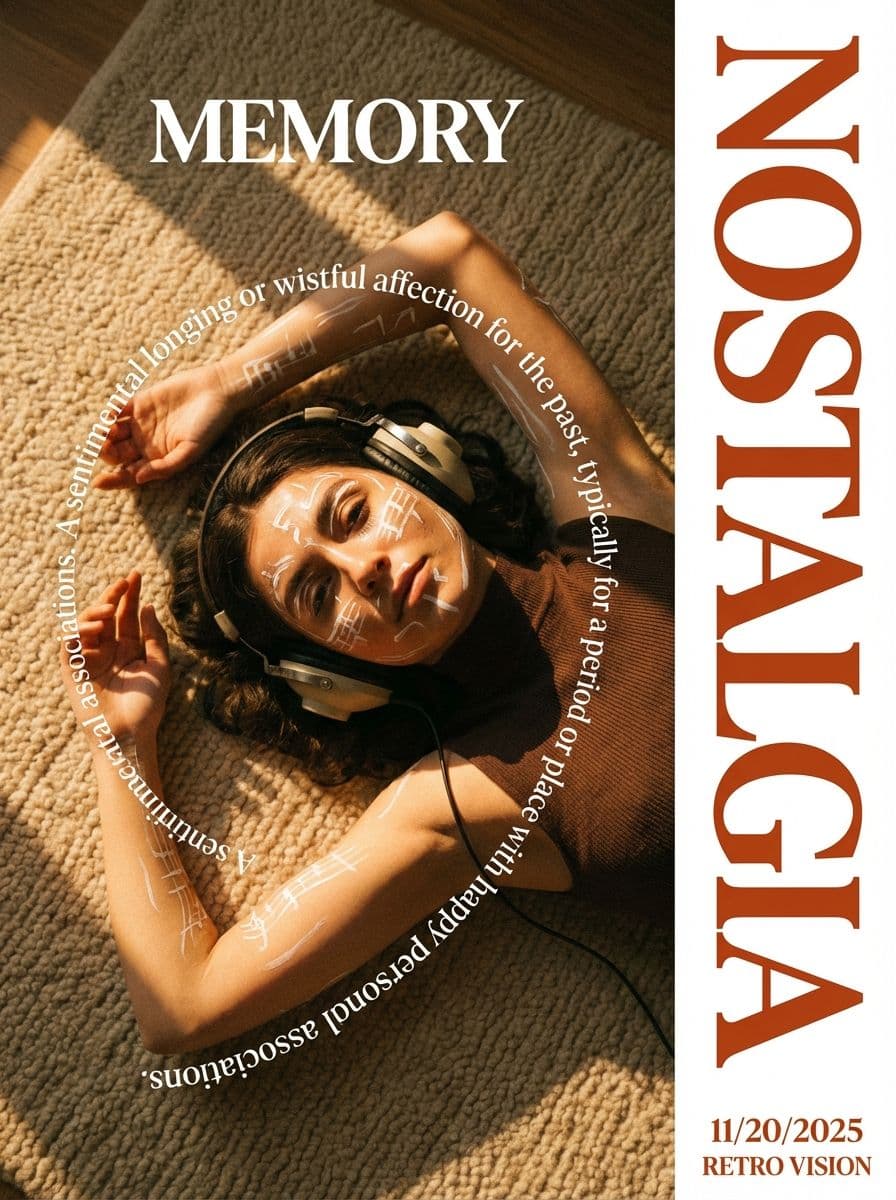
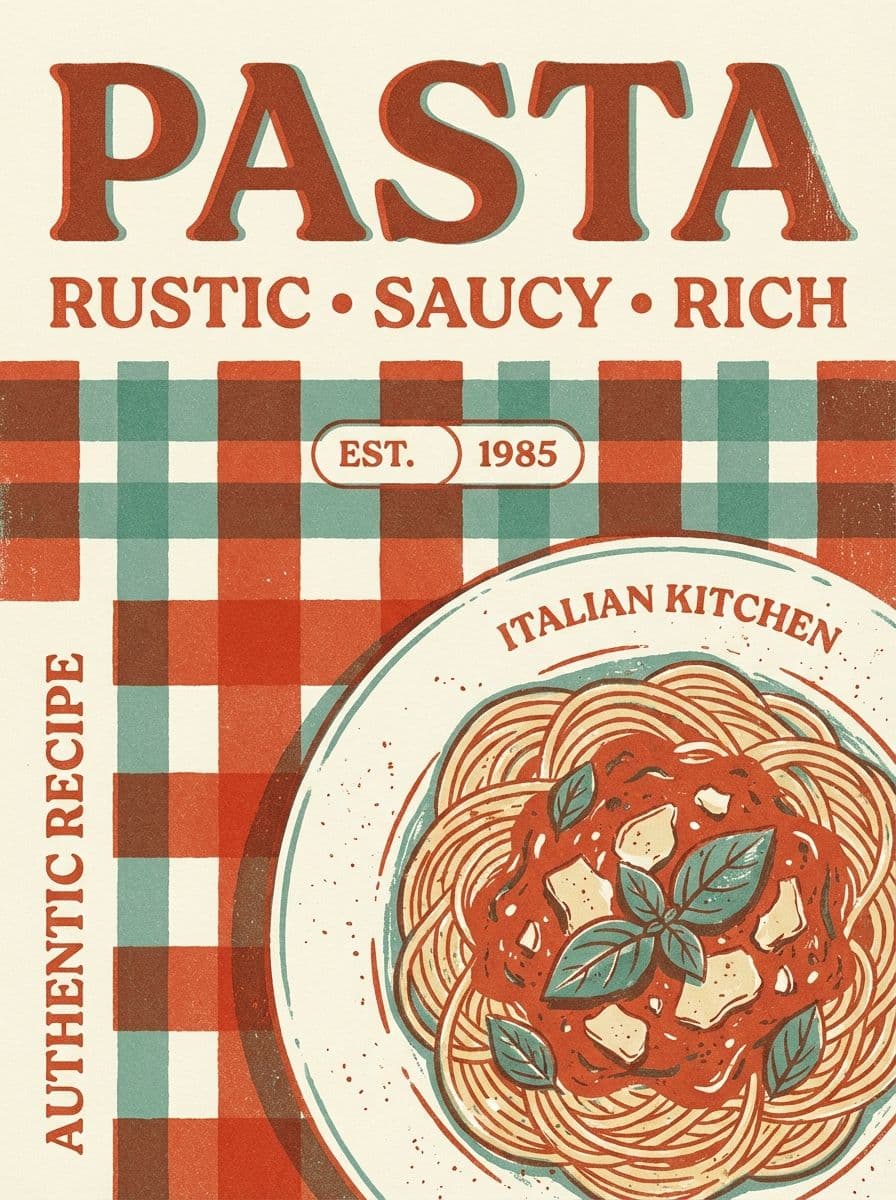
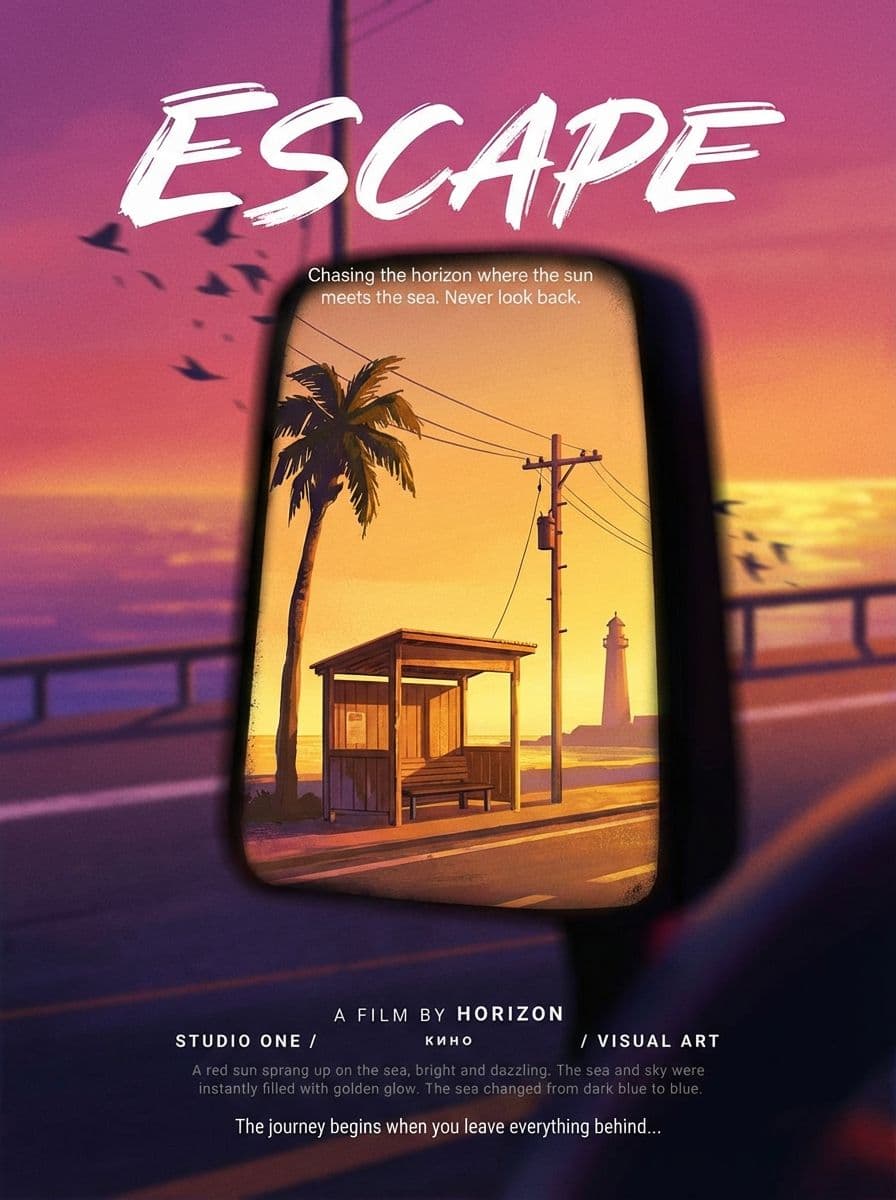
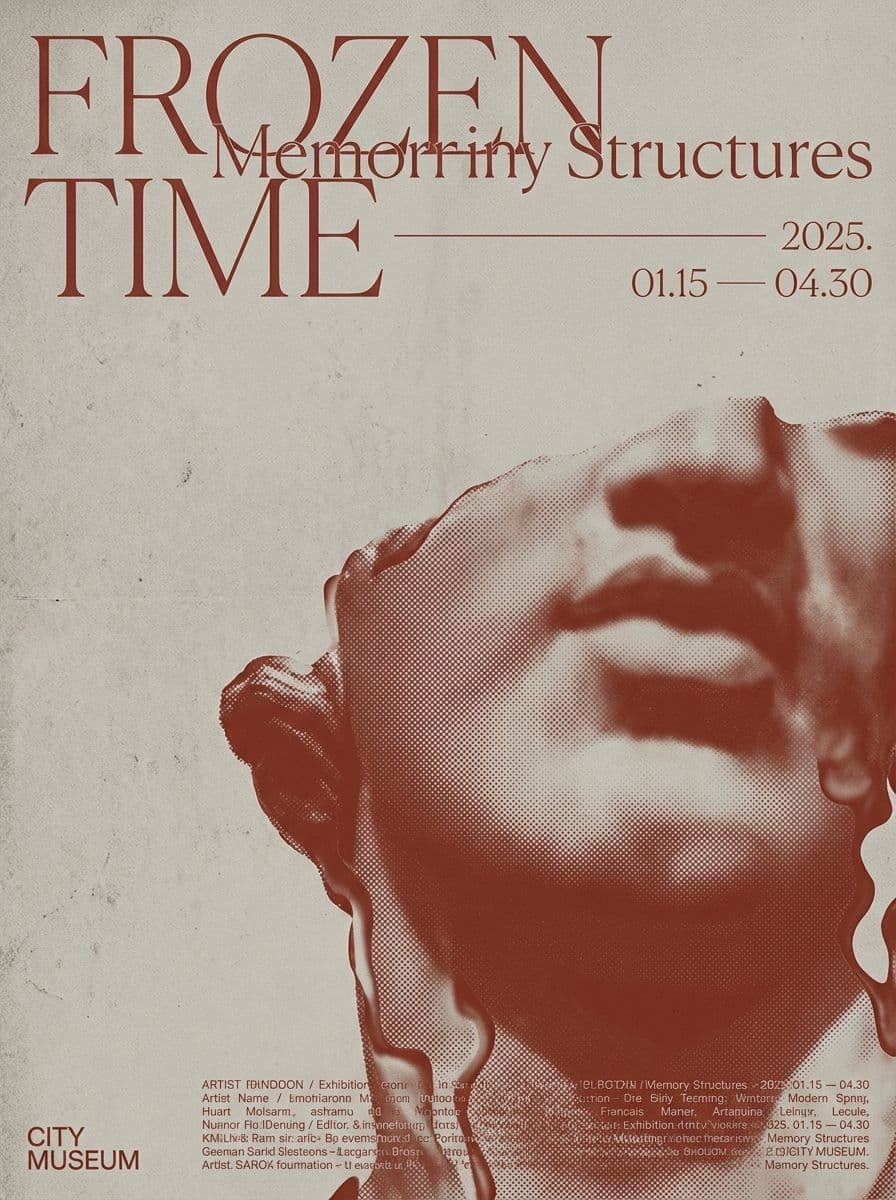
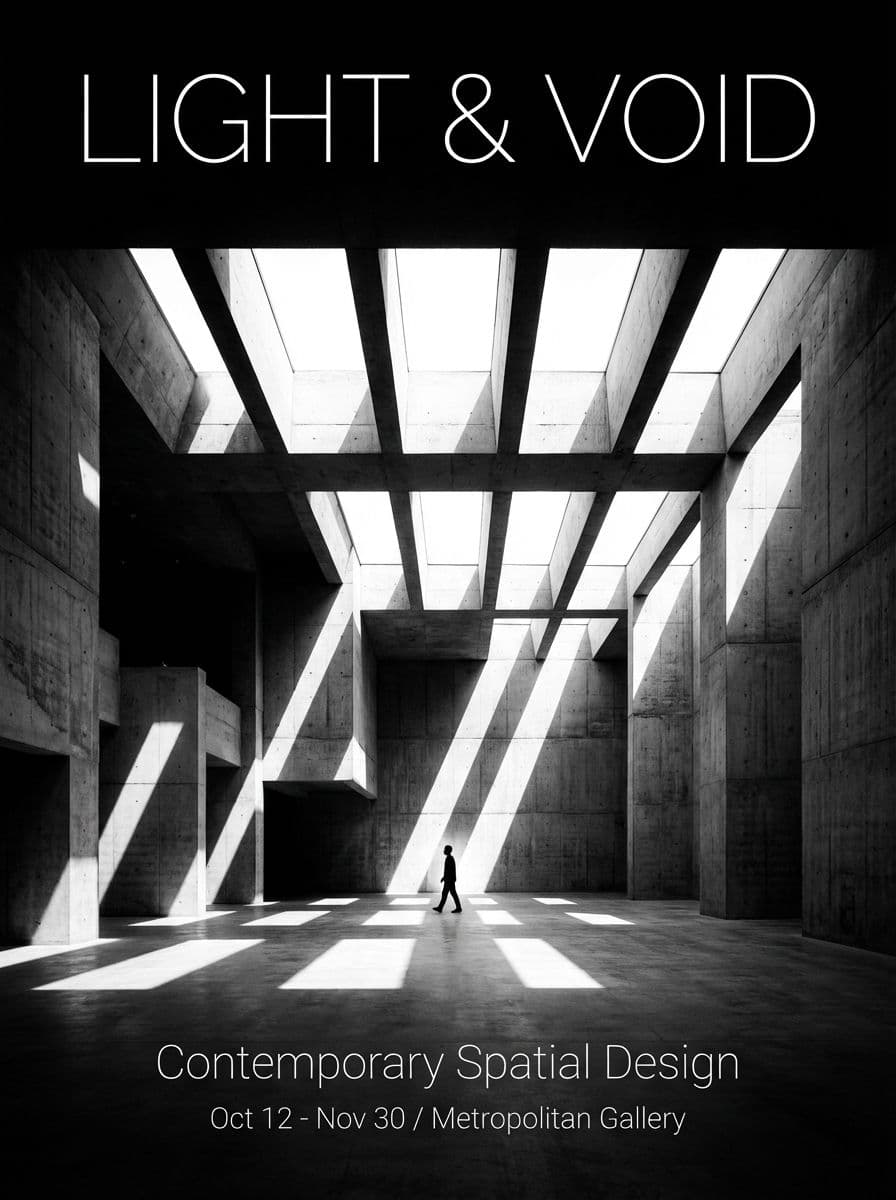
A typical week's production: Sofia writes the event details — name, date, time, headliner, brief mood description. The AI image generator produces a background scene appropriate to the event type: candlelit for the Wednesday jazz dinner, vibrant and energetic for the Friday DJ night, soft and romantic for the Saturday anniversary package.
Style Transfer applies the venue's visual language to the new scene. Edit Elements places the event text. Image Expander adapts the finished image from A4 portrait (lobby flyer) to 1080 × 1080px (Instagram post) to the email header ratio — without rebuilding the design for each format.
Total production time per event: forty-five minutes to an hour. For a four-event week: under two hours across the full promotional set.
The materials are ready twelve to fourteen days before each event — double the previous lead time — which has extended the window for social scheduling and email campaigns.
What Changed Beyond the Cost Reduction
The $300-per-event design cost reduction was significant. But Sofia describes the bigger change as control over the production schedule rather than dependency on a third-party timeline.
When a performer cancels and is replaced forty-eight hours before the event, the flyer update takes fifteen minutes rather than requiring an emergency design request and a rush fee. When a corporate client requests a branded invitation with their company name added to the venue format, Sofia can produce a custom version while the client is still on the call.
The venue's Instagram engagement increased after the promotional material quality became consistent — not because the images were dramatically better than before, but because the consistency removed the visual noise that comes from mixed-quality promotional content in a feed. Followers began to recognize the venue's visual language before reading the text.
For the full workflow behind how the venue produces its weekly promotional set, see Event Poster & Flyer Design.

Minji Park
I help indie creators, online educators and small product teams prepare launch visuals and social campaigns. My goal is to make launches feel polished and trustworthy — even when you are working without a designer.
Frequently asked questions
A4 (210 × 297mm) or US Letter (8.5 × 11in) at 300 DPI covers most print applications — local print shops, lobby displays, window posting. For digital use, export the same design at 72-96 DPI for email and web. For Instagram feed posts, a 1080 × 1080px square is standard; for Stories, 1080 × 1920px. Producing the print master first, then adapting to digital ratios with Image Expander, is more efficient than designing each format separately.