One Flatlay, Four Seasons: A Background Swap Workflow
 Sophie Whitmore
The week before Easter, Ingrid Larson stood in her studio in Gothenburg with a printed grid of sixteen product photos taped to the wall — the same four amber-glass dropper bottles, each shown against a different seasonal scene she had built that morning. None of them existed three months earlier. None of them required rebooking the photographer she had used to shoot the original flatlay last autumn.
Ingrid runs a four-person Shopify-native operation selling adaptogenic tinctures, sleep elixirs, and ritual candles. Like most lifestyle brands its size, it competes on visual storytelling and refreshes creative for every seasonal moment — spring botanicals, summer salt and citrus, autumn warmth, holiday warmth. Before Playyy launched its editable AI canvas, every one of those refreshes meant either a paid reshoot or hours of clumsy work in Canva to swap out the surface a bottle was sitting on.
The math of seasonal creative on Shopify only works if you can change the background of a photo as often as the season changes. For a small team, that economics never worked — until the editable canvas removed the reshoot from the loop.
The result. Ingrid replaced quarterly photographer bookings with a single annual flatlay session, using Playyy's AI Image Editor and Background Remover to produce all four seasonal campaign variations internally. Photography cost fell sharply, and season-matched product detail pages went live across her 32-SKU Shopify catalog.
Why Seasonal Refreshes Were Expensive Before
Ingrid's original photographer charged a flat day rate plus mileage, props, and a post-production turnaround of roughly ten days. A standard session produced 30 to 40 finished frames across her 32 SKUs. That was enough for one launch — not four.
The hidden cost was scheduling. Booking the photographer two to three weeks ahead meant locking creative direction before she knew what was trending in her category. By the time the images came back, the moodboard she had pitched was already a step behind. Twice in 2024, she shipped a seasonal email with imagery she felt was already stale on the day it sent.
Imagery is often the deciding factor in whether a shopper trusts a small brand they haven't bought from before. That isn't abstract for a wellness brand: a tincture is a category where the visual cue of botanical context — fresh herbs in spring, dried autumn leaves, cool winter linen — does a lot of the persuasion work that copy cannot.
Reshoots solved the trust problem and broke the budget. Canva swaps solved the budget and broke the trust. There was no third option until the canvas became editable.
The Launch Upgrade: A Canvas That Actually Lets You Edit
Playyy's existing tools — Background Remover, AI Image Generator, Erase Object — already handled isolated tasks well. What they did not give Ingrid was the fully editable canvas she needed after generation: the ability to swap a background, then refine the contact shadow under a bottle, then recolor a sprig of rosemary that read too saturated, all in one session without exporting and importing between tools.
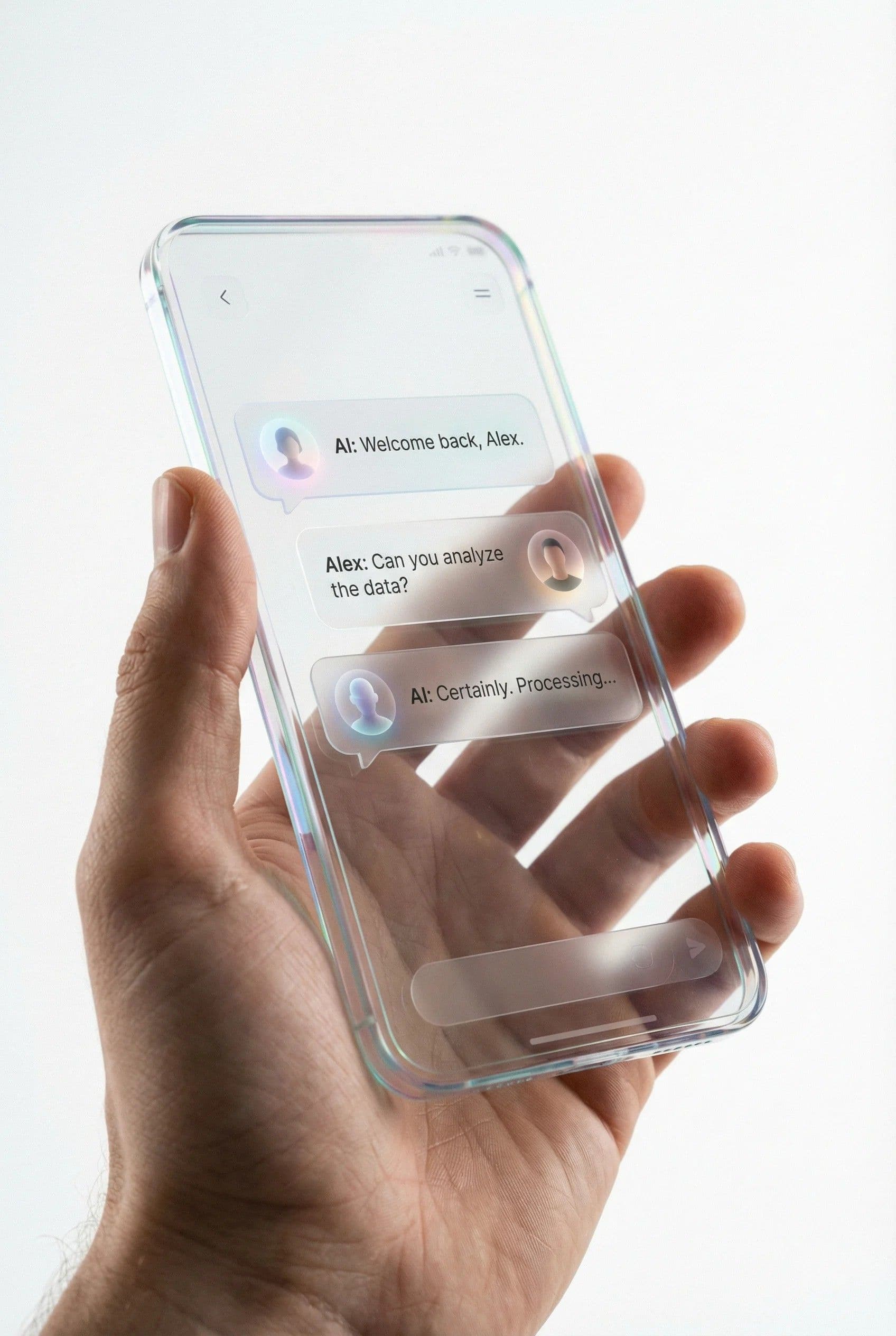
Playyy's AI Image Editor closed that gap. The canvas now accepts layers, supports inpainting and outpainting, allows recolor and restyle on selected regions, and treats text and decorative elements as editable objects rather than baked-in pixels. For Ingrid, the unlock was specifically the combination: she could change the background of a photo, then immediately adjust the surface texture and shadow underneath in the same workspace.
Ingrid, the studio's part-time production lead, described it in plainer terms during our interview: the AI canvas finally feels like the design tool the team already knew, with a generation engine underneath instead of a stock library.
Citation Capsule. Per Shopify's State of Commerce 2024, small DTC merchants cite visual production cost as one of the top three operational expenses for product launches. Removing that line item, or compressing it, changes the unit economics of seasonal merchandising — particularly for brands launching more than two refreshes a year. Editable AI canvases are the first toolset to credibly absorb that work without flattening visual quality. (Sources: Shopify, IAB.)
The One-Shoot, Four-Season Workflow
Ingrid now runs a single annual photography session — one full day with her photographer against neutral linen — and uses Playyy to produce every subsequent seasonal variation. The workflow she documented for her team is six steps:
- Start with a clean flatlay. The annual shoot produces neutral, well-lit base frames at 4000px on linen. No props, no contextual elements — just the product, isolated lighting, soft shadow.
- Isolate the product layer. Playyy's Background Remover lifts each bottle off the linen in seconds. The team saves these as reusable masters; every seasonal version starts from the same isolated layer.
- Generate the season's scene. Ingrid describes the backdrop in plain language: "spring marble with eucalyptus stems, soft morning light, slight shadow falling to the right." The AI canvas renders the scene, and she drops the isolated product onto it.
- Refine in place. Using Inpaint & Replace, Ingrid repaints the contact shadow under the bottle so it matches the new light direction. If a botanical element looks artificial, she replaces it with a more believable variant — same canvas, no export.
- Outpaint to channel sizes. Image Expand extends the frame to portrait for Instagram, square for the Shopify product detail page, and wide for the email hero. The seasonal scene fills the new canvas naturally.
- Export and review. Final files go to the team's shared drive, tagged by season and SKU. Total time per SKU across all six steps: roughly 4 to 6 minutes for the first scene of a season, dropping to 2 minutes per SKU once the season's template is locked.
The full 32-SKU catalog now refreshes in roughly six working hours per season, versus the two-week reshoot-and-edit cycle it used to require.
For the broader argument about replacing reshoots, AI Photoshoot for Creators covers the workflow at scale.
Channel Rollout Across the Brand's Surface
A seasonal refresh at her brand now touches five places at once:
- Shopify product detail pages. Each SKU's primary image rotates with the season — spring florals from late February, summer botanicals from May, autumn warmth from late August, holiday warmth from early November.
- Instagram feed. The same scenes outpainted to 4:5 portrait drive the brand's grid, with carousel variants showing different angles of the same scene.
- Email hero. Klaviyo flows automatically swap the hero artwork by season; the team prepares the four variants once per year and schedules them.
- Pinterest. Vertical 2:3 outpaints of each scene perform well in saved-pin behavior — the platform rewards lifestyle context, which background swaps now make trivially produceable.
- TikTok. Static seasonal hero frames stand in as cover slides for short product talk videos shot on phone.
Ingrid built a single Playyy file per season that holds all five aspect ratios as artboards. When the season turns, the team duplicates the file, replaces the scene reference, and re-renders the variants. The cross-channel cadence is now a calendar event, not a production project.
Sizing the same source frame across these surfaces is what makes the cross-channel rollout feasible in a single afternoon.
The Numbers That Made the Switch Stick
Ingrid tracks three measures since adopting the editable canvas workflow in late 2025:
- Production cost. Well below the equivalent four quarterly reshoots. The annual photography session is preserved as a creative anchor; everything downstream of it now happens internally.
- Time to launch. A seasonal refresh moves from a two-week production cycle to a one-day internal turnaround, including review and approval.
- Revenue signal. Average order value and repeat-purchase rate on the candle and tincture lines both moved in the right direction after season-matched product detail pages went live — Ingrid attributes that to the imagery cadence rather than any change in pricing or product.
Citation Capsule. Refreshed hero creative reliably outperforms a reused image in beauty and wellness email, and the reason is mundane: subscribers have already seen last season's photograph. Ingrid's team credits its email engagement to the consistent seasonal cadence — feasible only because background swaps no longer require a reshoot — rather than to copy changes.
The New Seasonal Cadence
Ingrid now schedules her year around four predictable internal refresh sprints rather than four photographer bookings. The annual shoot still happens in January, when the brand resets its base imagery for the year ahead. From that single session, four seasonal worlds are built without leaving the studio.
The change is not that AI replaced her photographer — she still books one day a year, and she still values that day. The change is that the months between sessions are no longer a constraint. When a trending palette appears in early June, Ingrid renders a variant within a working day. When a launch needs an extra Pinterest variant for a paid test, it exists by the afternoon.
For the broader use case behind this workflow, see AI Product Photography Without a Studio, the playbook her team uses to keep the four seasons feeling like one coherent brand.

Sophie Whitmore
I help lifestyle, wellness and education brands keep visual content consistent across Instagram, TikTok, LinkedIn and email campaigns. I specialise in content calendar planning and multi-platform visual production for small teams.
Frequently asked questions
The product layer is isolated by edge detection and segmentation, then preserved untouched while the surrounding scene is regenerated. Lighting direction and shadow are recalculated to match the new background, but the product's color, texture, and silhouette stay intact. Because the canvas is fully editable, a designer can nudge shadows, soften an edge, or repaint a contact point manually if the automatic blend looks off. The result reads as a photograph, not a composite.