How to Build a Vision Board for Your Business
 Daniel Brooks
Most business vision boards fail for the same reason: they're built like personal vision boards. Images of aspirational outcomes, quotes about success, general aesthetic references that feel inspiring in the moment but mean different things to different team members when decisions need to be made.
A business vision board is a briefing tool, not a motivation tool. Its job is to answer one question — what should this look and feel like? — with enough specificity that a designer, photographer, or agency can work from it without a follow-up meeting.
This is a different standard than making something that feels right. It requires choosing images that communicate precisely, not just images you like.
Direct answer. A business vision board works when every image communicates something precise about color, light, composition, or material quality — not just a feeling. Build it around four elements: color palette references, photography style references, typography tone specimens, and competitor context. Keep it to 12–18 images. Annotate anything that could be misread. Store it where every stakeholder can access it during production.
What a Business Vision Board Is Actually For
The most common business uses are four distinct scenarios, each requiring a different approach:
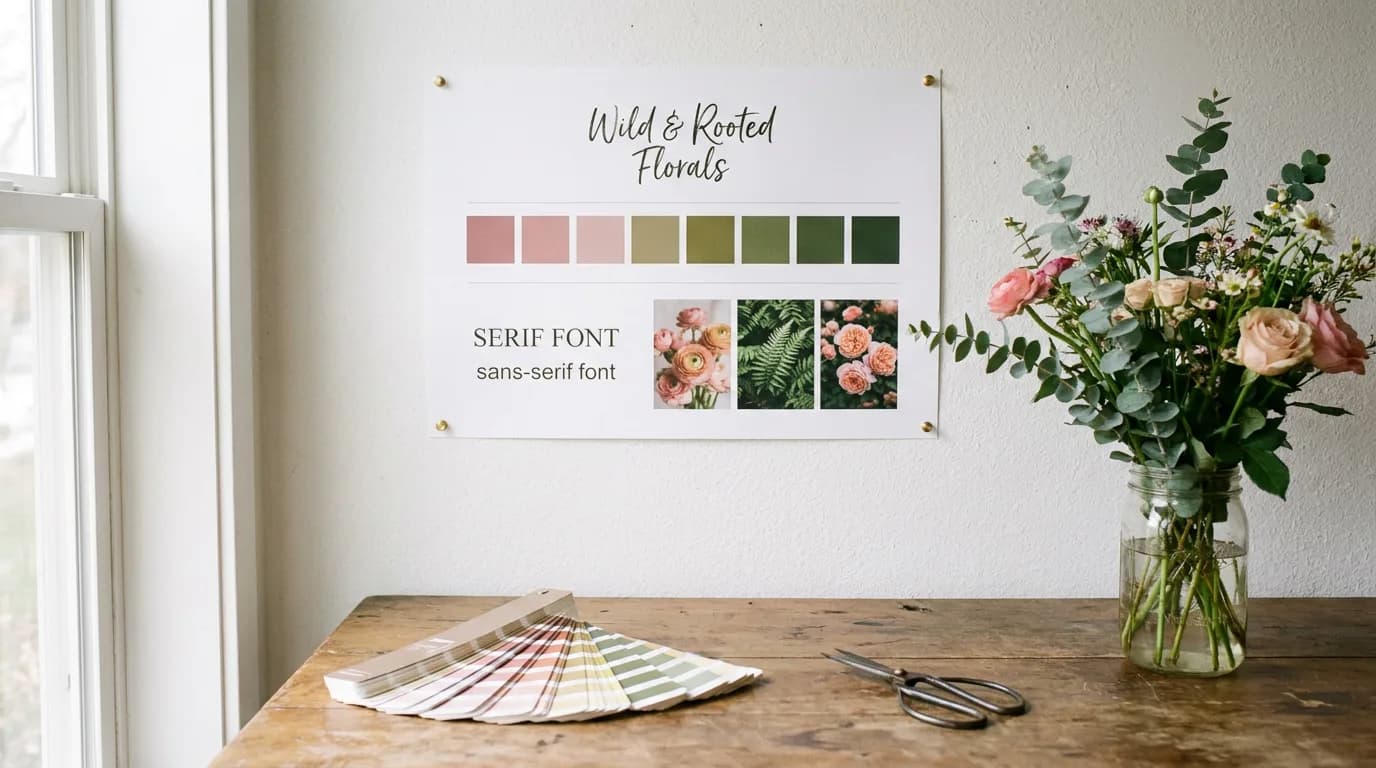
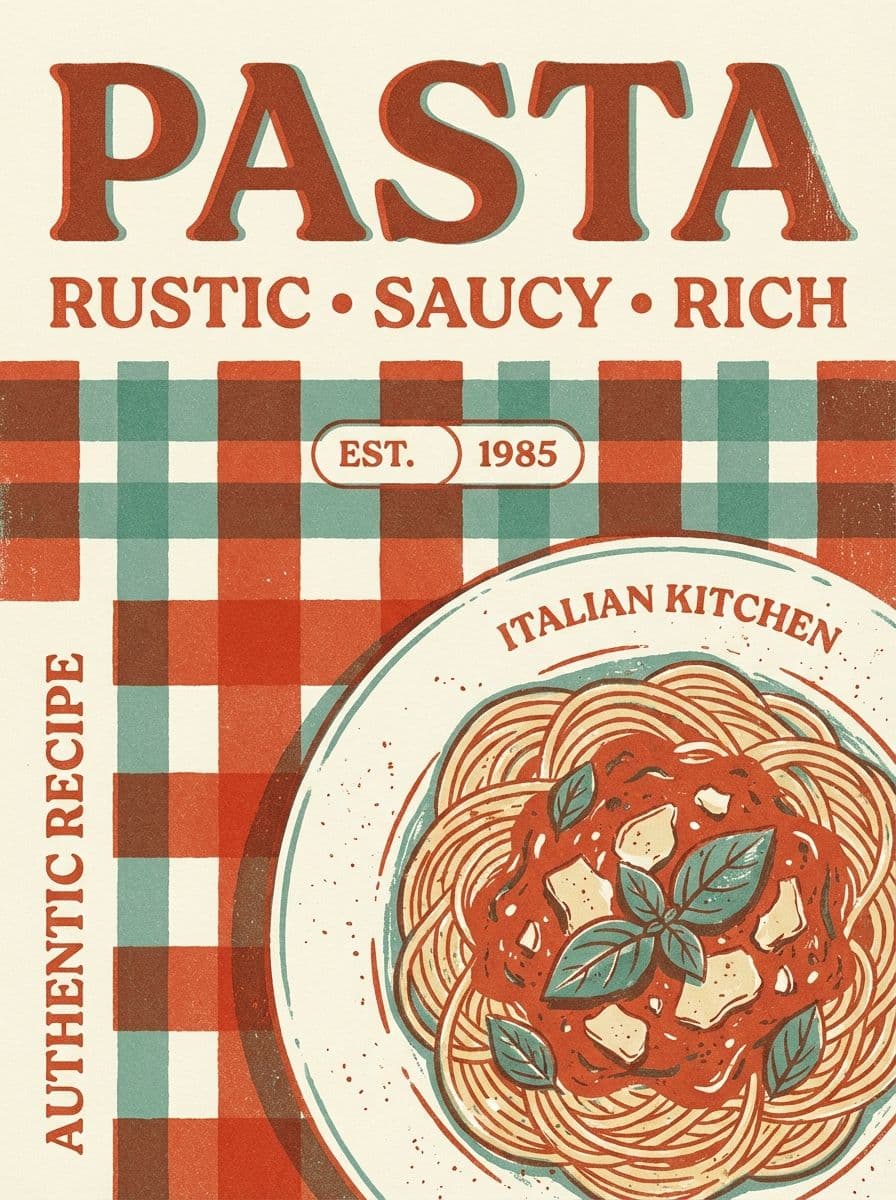
Brand direction — establishing the visual language of a company before any logo or design work begins. The board communicates the aesthetic context the brand should live in: the quality of light in the photography, the material weight of the color palette, the emotional temperature of the typography. A strong brand direction board means the logo brief is a paragraph, not a document.
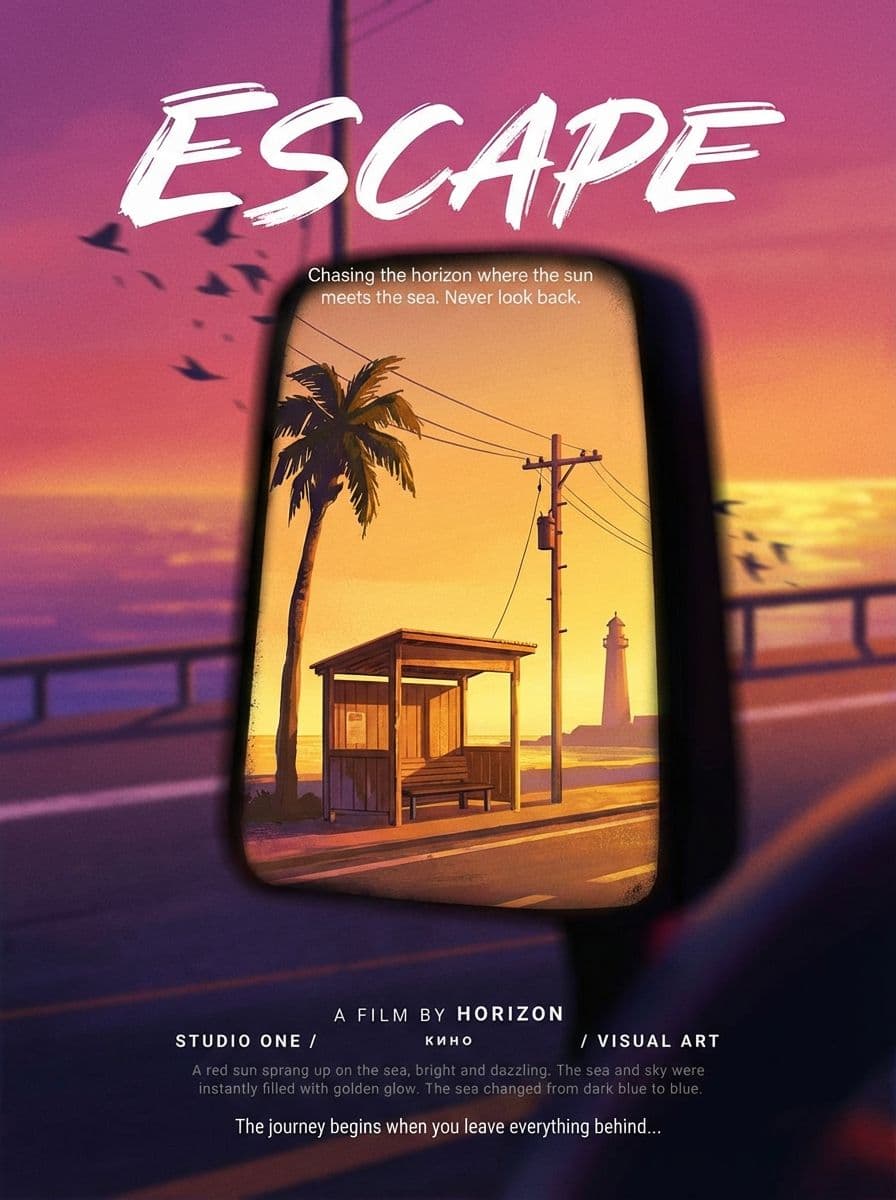
Campaign planning — defining the visual world of a specific campaign before production begins. What's the light quality? What's the relationship between people and products? Is the photography candid or composed? Answering these visually rather than verbally cuts two or three rounds of concept revision.
Product or feature positioning — communicating where a new product should sit aesthetically relative to the existing line and relative to competitors. This is particularly useful for products that are being repositioned or launched into an established competitive landscape.
Team and culture communication — building a shared visual reference for how the company represents itself in employer branding, office environment, and internal communications. This is the most underused business application of vision boards and often the highest-value one for early-stage companies.
A board pays for itself before the first deliverable lands, and the arithmetic is straightforward: assembling one costs a few hours once, while every revision round costs the designer's time plus your review time plus the delay. Visual references cut rounds because they remove the interpretation gap — the place where "premium" meant something different to you than to the person executing. Fewer concepts get developed, and fewer get rejected.
Teams that brief from visual reference documents rather than written descriptions consistently need fewer revision rounds on a first deliverable, and for most projects the hours spent building the board are recovered several times over in production.
How Business Vision Boards Differ from Personal Ones
The mechanics overlap — collect images, curate, arrange by visual logic. The differences are in purpose, audience, and what makes a good image.
Purpose shift: A personal vision board represents aspirations. A business vision board represents decisions. The question isn't "does this feel like what I want?" but "does this communicate what we're committing to?"
Audience shift: A personal board is for you. A business board is read by people who weren't in the room when you built it — designers, photographers, external agencies, new team members. Every image must communicate without explanation.
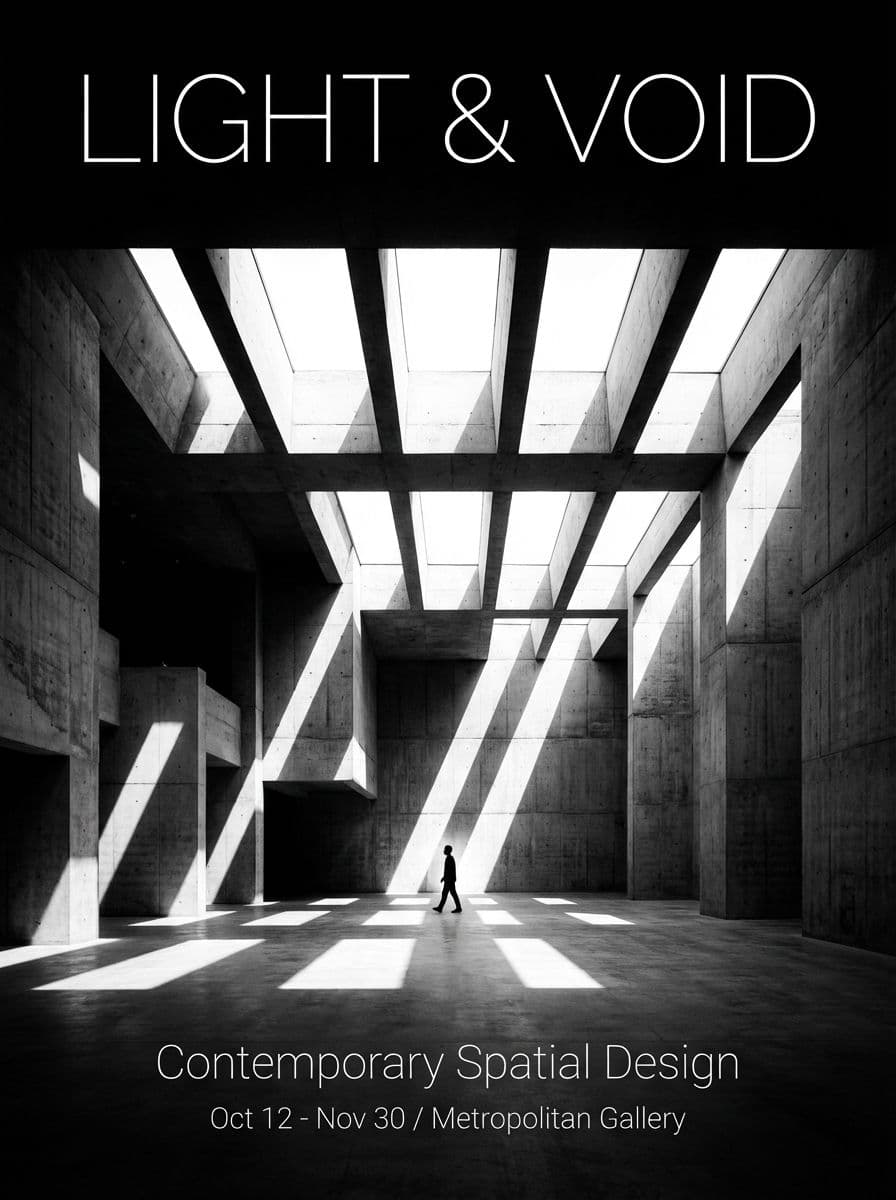
Image standards: For personal boards, an image works if it resonates. For business boards, an image works if it communicates something precise about color, light quality, compositional approach, or material character. Abstract or heavily processed images that are emotionally evocative but visually ambiguous don't belong in a business brief board.
Competitive context: A personal vision board doesn't need to know what other personal vision boards look like. A business brand board absolutely needs a section showing where you want to sit visually relative to your direct competitors — what you're differentiated from matters as much as what you're building toward. See how to build a visual brand strategy for how this competitive positioning works at a brand level.
Building the Board: The Business-Specific Process
Step 1: Define the output before you collect anything.
The images you need for a campaign board are completely different from the images you need for a brand direction board. Write one sentence stating what this board needs to enable: "This board should allow a photographer we've never worked with to shoot product images that are consistent with our existing editorial." That sentence tells you exactly what the board must contain and what it can leave out.
Step 2: Collect from category-specific sources.
Business vision boards benefit from more targeted sourcing than personal boards:
- For brand direction: look at annual reports and brand identity case studies (Behance, Brand New, It's Nice That). These show considered visual choices with strategic intent rather than general aesthetic appeal.
- For campaign references: pull from advertising archives (Cannes Lions, D&AD) and editorial photography, not Instagram. Editorial photography is more precisely lit and composed than lifestyle photography, which gives designers more useful technical reference.
- For product positioning: screenshot competitor product pages, campaigns, and packaging directly. These belong in the board — showing exactly what you're not doing is as useful as showing what you are.
Step 3: Curate to communication, not feeling.
The standard for keeping an image: can someone who's never talked to you look at this image and understand what it communicates about color, light, composition, or material quality? If yes, keep it. If it requires explanation — "this is here because of the mood" — cut it.
A business brand board should have 12–18 images. More than 20 produces a direction that's too broad to brief from. Fewer than 10 is usually too thin to cover the visual decisions designers need to make.
Step 4: Annotate the non-obvious.
Unlike personal boards, business boards need brief annotations on images that could be misread. "Keep: the light quality and shadow definition — not the color scheme" next to a reference image prevents a designer from adopting the wrong dimension of what you've sourced.
Step 5: Build in a shared workspace, not a personal tool.
A vision board that lives in your Figma file or personal folder isn't functioning as a team document. The board needs to be in a tool every relevant stakeholder can access, comment on, and reference during production. This is where the distinction between building a board and using a board matters most — many founders build good boards and then never activate them as working references.
Filling Gaps with AI Generation
After curating from real photography and competitive references, most business boards have 2–4 specific gaps — a particular light quality that doesn't exist in your stock sources, a product-in-use scenario that doesn't match your actual product, a compositional approach that you can describe precisely but can't find executed exactly.
This is the production value of AI image generation in business vision board work. The brief should be specific: "warm directional light from upper left, product on brushed concrete, dark background, no lifestyle context" produces a usable result. "Premium product shot" does not.
The workflow that works: build 80% of the board from real sourced images, then use AI generation for the remaining 20% that sourcing can't reach with sufficient precision. Boards built entirely from AI generation tend to lack the grounded specificity that makes photography-sourced boards effective as briefs.
For campaign visual creation, having a completed brand direction board before briefing any production work — photography, video, illustration — typically reduces total production cycles by 30–50% and significantly reduces the number of creative concepts that need to be developed before a direction is approved.
When to Update the Board
A business vision board has a shorter useful life than a personal one. Update it when:
- A significant product expansion moves the brand into new visual territory
- Campaign results show a consistent disconnect between brand intent and audience perception
- New team members or agencies are joining who need to be aligned on visual direction
- You've been producing content for 12+ months without refreshing the board
The board isn't a permanent document — it's a working reference that should reflect the current state of where the brand is going, not where it was when the company was founded. See brand guidelines for startups for how vision boards fit into a broader brand documentation system as the company scales.
Complete Guide: Vision Board: The Complete Guide (2026)

Daniel Brooks
I work with SaaS founders, indie makers and early-stage teams on positioning, launch assets, pitch visuals and founder-led content. I write for small teams making smart decisions with limited time and resources.
Frequently asked questions
Start with your intended output rather than inspiration: what decision does this board need to enable? Campaign direction, product brand identity, and team culture boards all require different images. Collect 20–30 candidates in a shared folder, then curate to 10–15 that share visual language. Build the digital version in a tool everyone on your team can access and comment on — the board only works if it's used as a reference, not filed away after a single session.