Midjourney AI Image Generator: Honest Guide for Startup Founders
 Daniel Brooks
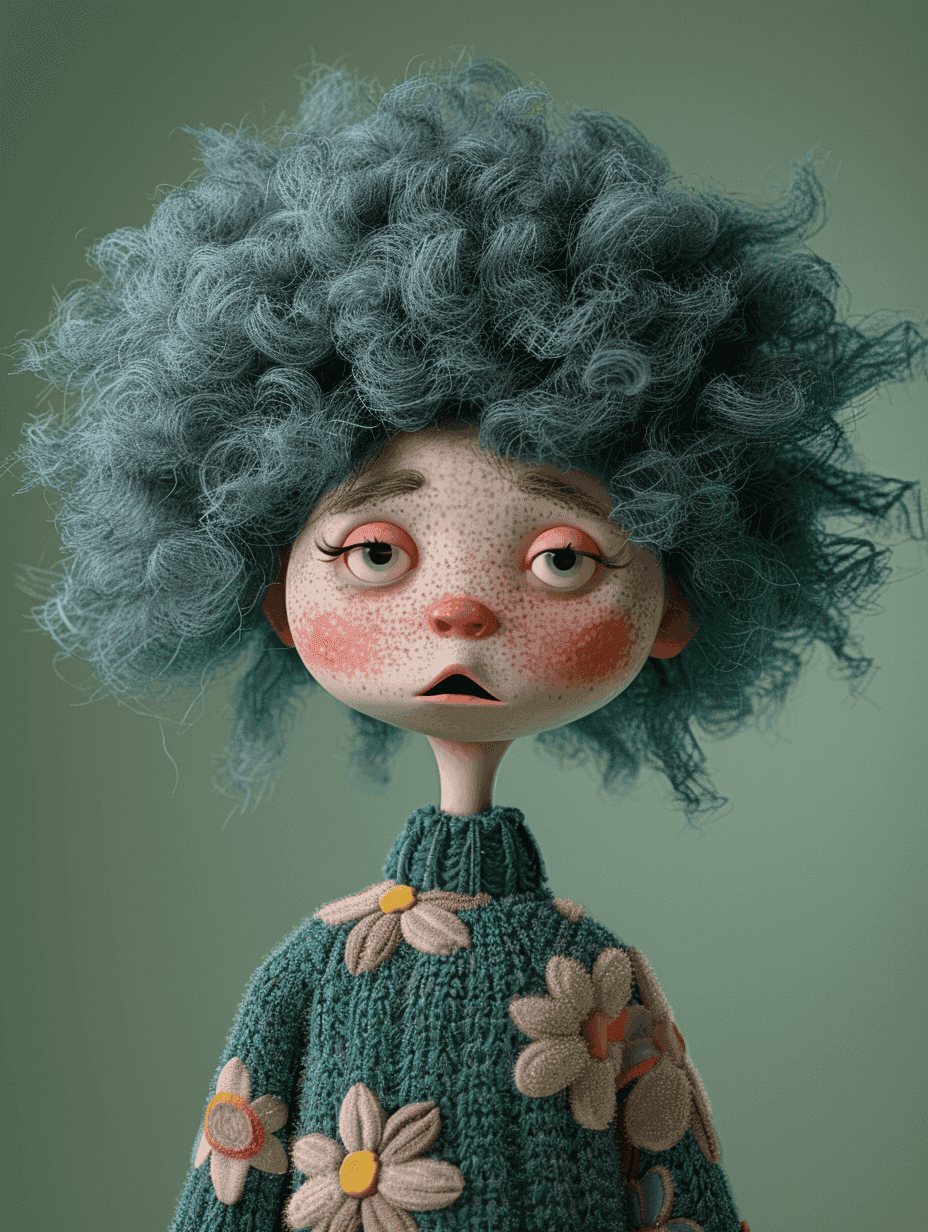
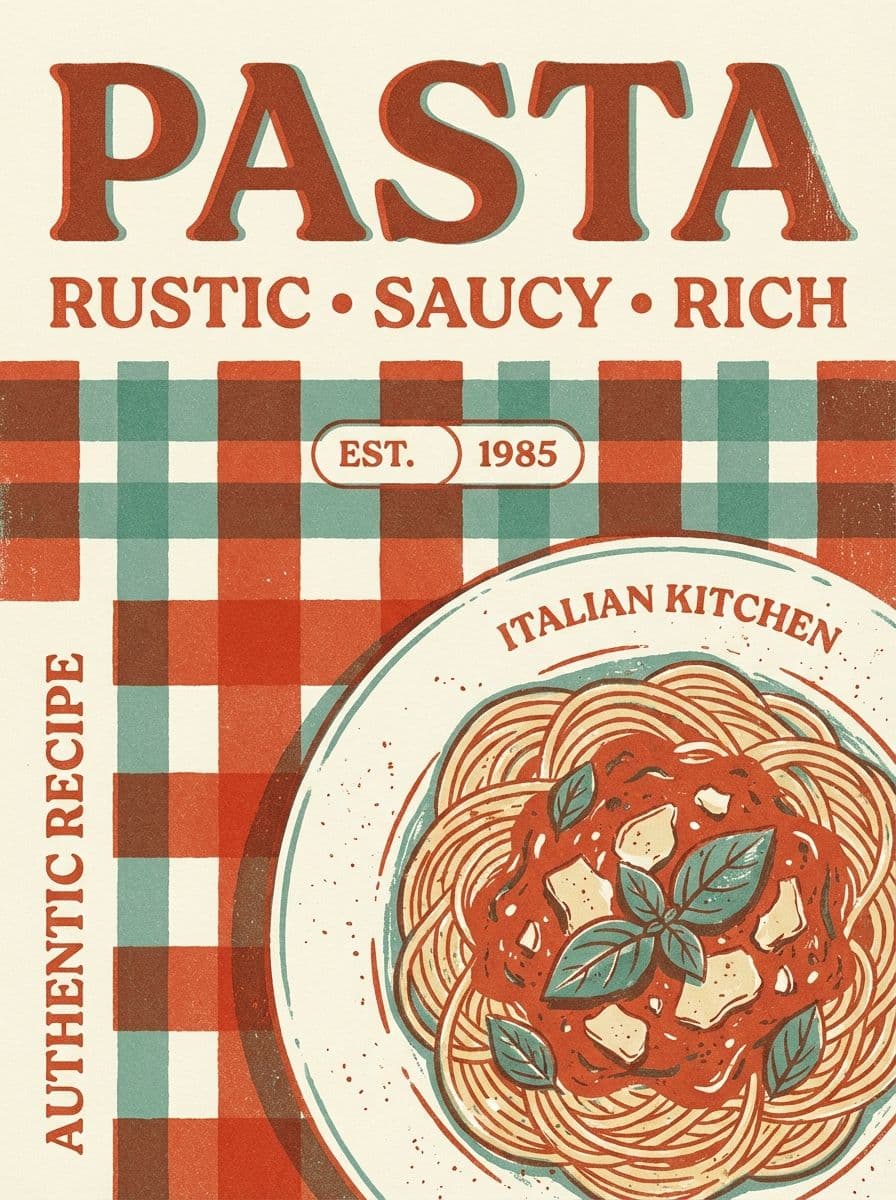
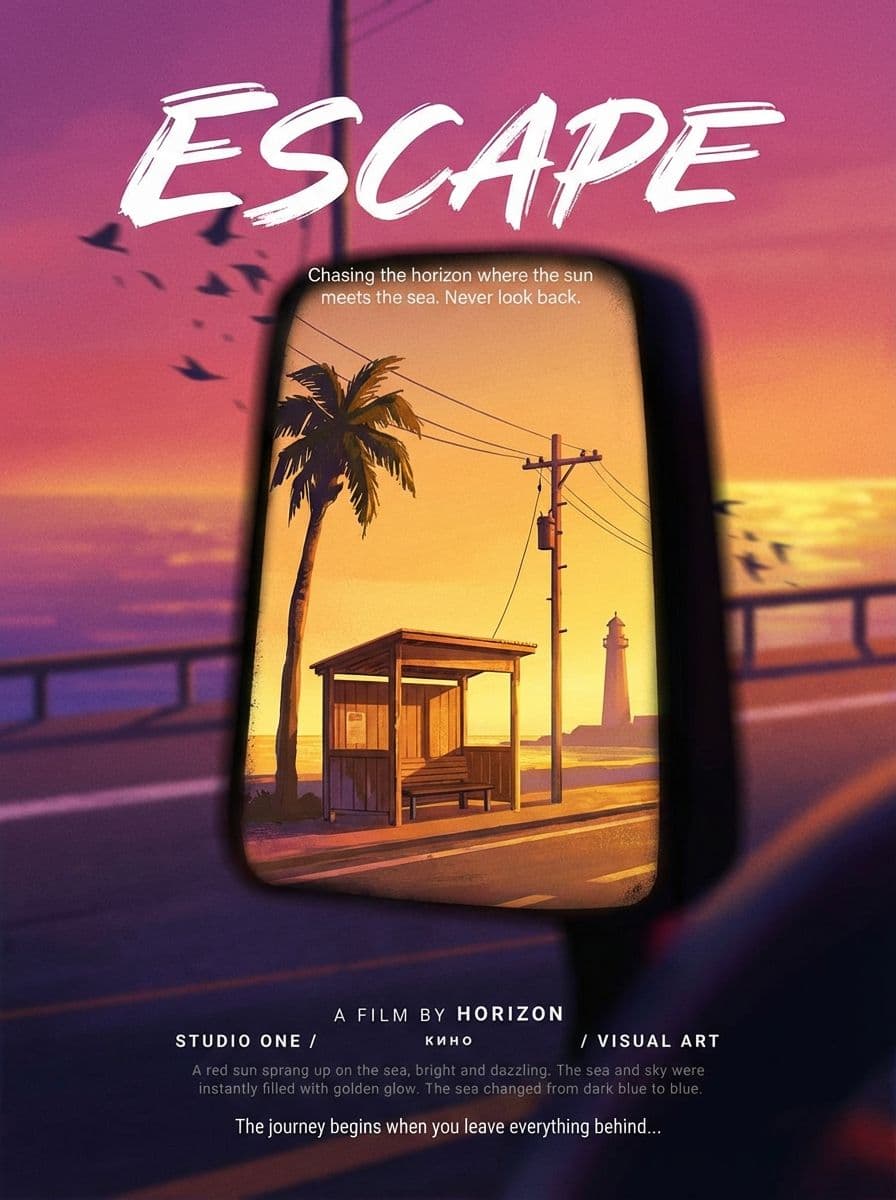
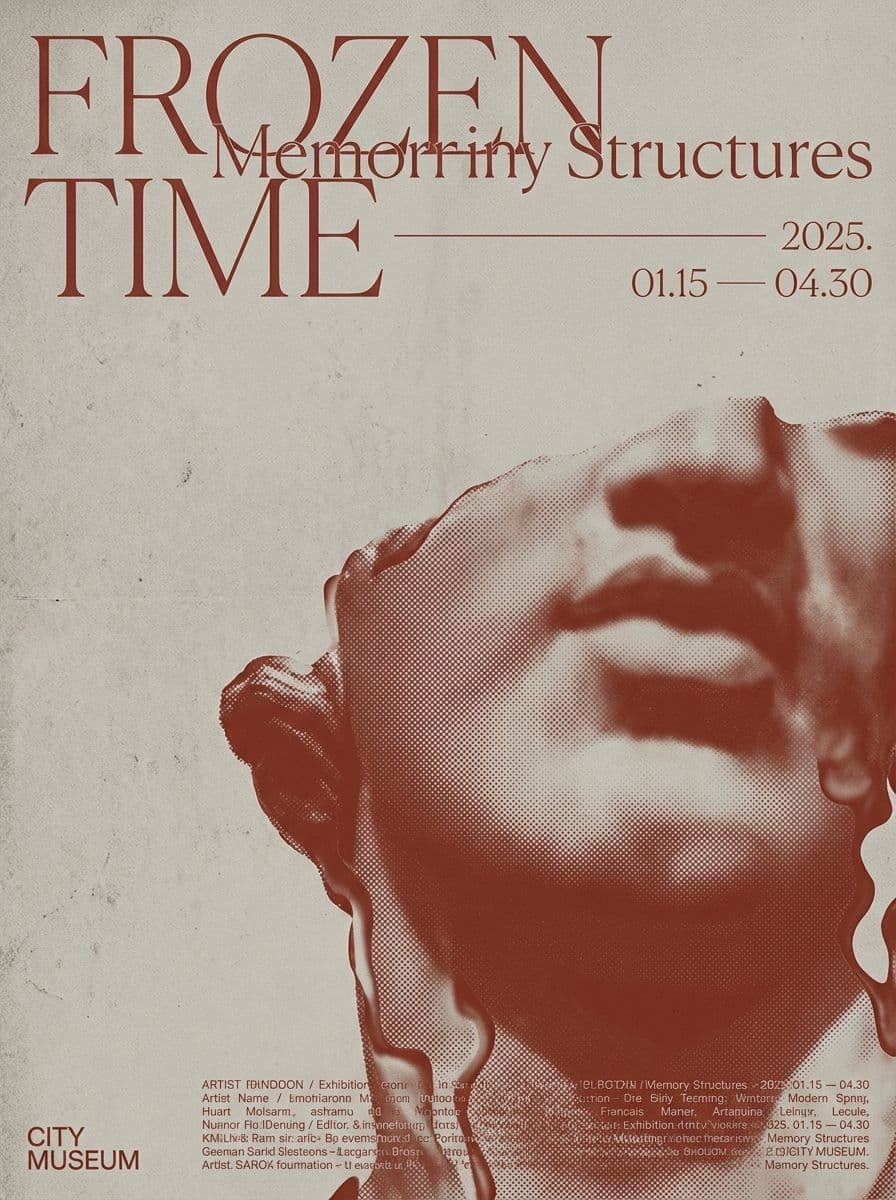
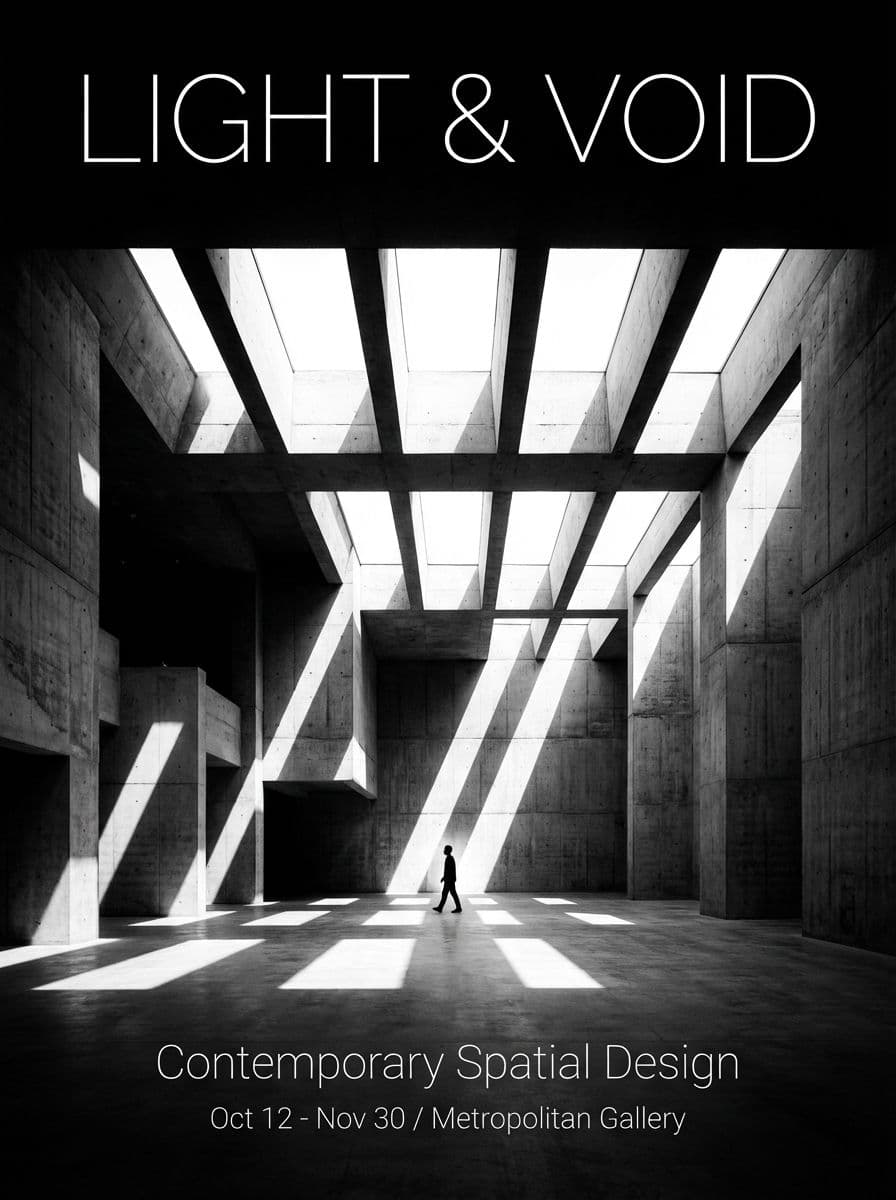
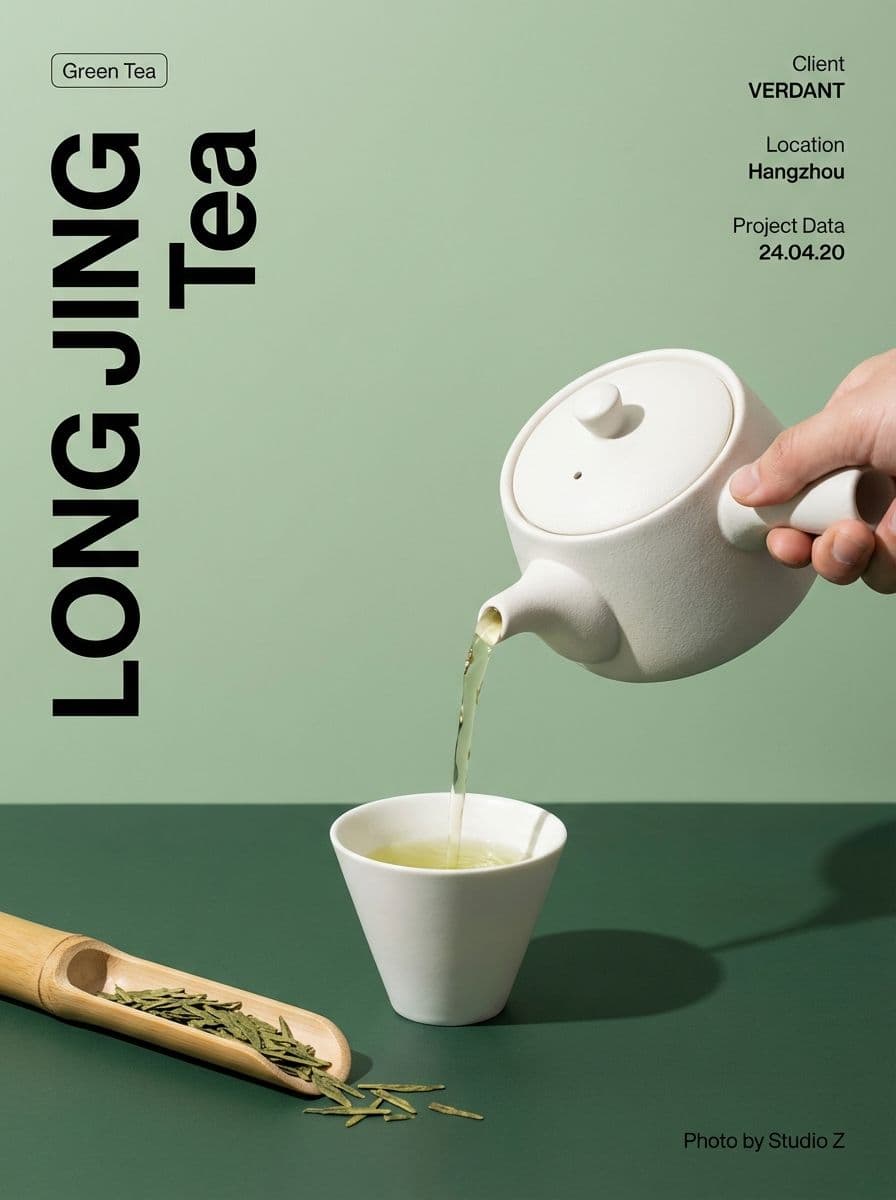
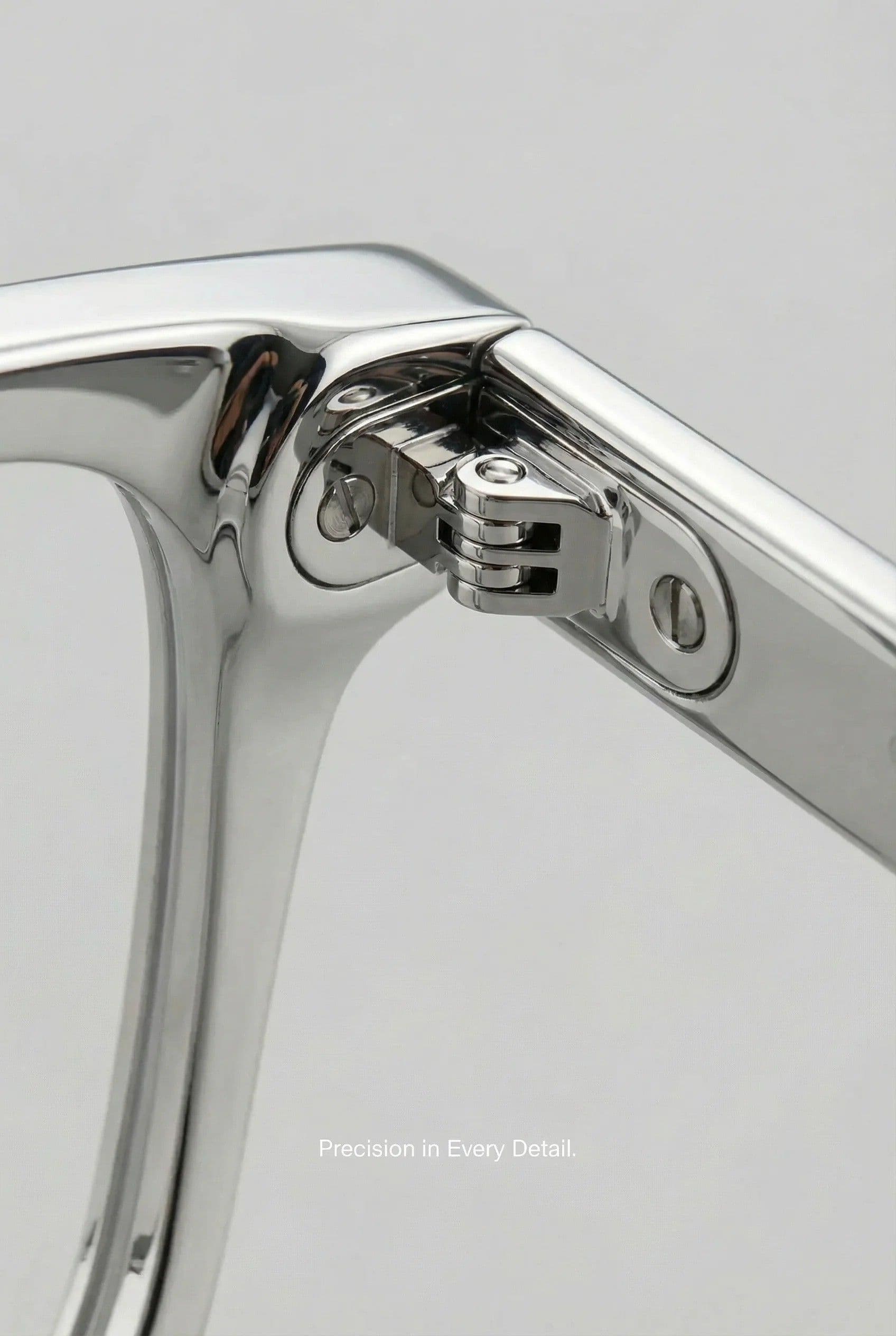
Midjourney is the AI image generator that made the internet stop and stare — its outputs don't look like typical AI art. They look like photographs and editorial illustrations from a very talented creative director. Any founder evaluating AI tools for launch assets has probably seen someone's Midjourney output and wanted that look for their own pitch deck.
Midjourney is a Discord-based AI image generator that converts text prompts into high-quality images using a proprietary diffusion model. It's widely considered the best AI image generator for artistic quality, but it has no free tier, runs exclusively in Discord, and offers limited control over brand consistency — three factors that matter enormously for early-stage startup teams.
What Is Midjourney and How Does It Work?
Midjourney is an independent AI research lab that launched its image generation tool in 2022. Unlike most competitors, it built its product directly inside Discord rather than as a standalone web app. You join the Midjourney server (or add the Midjourney bot to your own server), type /imagine followed by a text prompt, and the bot returns four image variations in roughly 60 seconds.
The underlying model is a proprietary diffusion architecture — similar in concept to Stable Diffusion or DALL·E, but trained on a curated dataset that the Midjourney team refined specifically for aesthetic quality. That curation is the reason Midjourney outputs consistently look more visually polished than most open-source alternatives.
How prompt engineering works in Midjourney:
- You write a descriptive text prompt:
"founder presenting at a startup event, cinematic lighting, film grain, Sony A7 --ar 16:9 --v 6.1" - Parameters like
--ar(aspect ratio),--v(model version),--style, and--chaoslet you control the output shape - You can "upscale" any of the four variants to a higher-resolution single image
- Variations let you generate alternatives staying close to one variant you like
The /blend command accepts two to five images you upload and merges their aesthetics — useful for style transfer, though not for precise brand asset production.
Midjourney Pricing in 2026: What You're Actually Paying For
There is no free tier. Midjourney removed its free trial in early 2024 after server demand exceeded capacity. Here's the current pricing structure:
| Plan | Monthly | Annual | Fast GPU Hours | Key Limit |
|---|---|---|---|---|
| Basic | $10 | $8 | ~3.3 hrs (~200 images) | No relaxed mode |
| Standard | $30 | $24 | 15 hrs | Unlimited relaxed |
| Pro | $60 | $48 | 30 hrs | Stealth mode |
| Mega | $120 | $96 | 60 hrs | Max throughput |
"Fast" mode processes your prompt immediately. "Relaxed" mode queues it behind other users — typically 0-10 minutes during off-peak hours. For a founder generating 20-30 images per week during a launch sprint, the Standard plan ($30/month) is usually sufficient.
What the pricing doesn't tell you: the real cost isn't the subscription fee. It's the time investment. Writing good Midjourney prompts that reliably produce on-brand results takes weeks of practice. Most startup founders underestimate this curve and end up spending 4-6 hours on a single campaign's worth of images that should have taken 45 minutes.
What Midjourney Does Better Than Any Other AI Image Generator
Before the criticism, let's be clear about where Midjourney genuinely leads.
Artistic quality and aesthetic coherence. Midjourney's v6.1 model produces images with better lighting, more natural skin tones, and more compositionally sophisticated results than any competitor We've tested as of 2026. For founders who need a hero image for a pitch deck that needs to stop an investor's scroll, Midjourney is the right tool.
Style range. The model handles an extraordinary range of visual styles — photorealistic editorial, oil painting, anime, architectural visualization, product mockup renders — and transitions between them smoothly within a single prompt. You can specify --style raw for less opinionated outputs or let the model apply its signature aesthetic.
Community and prompt library. The Midjourney Discord has millions of active users sharing prompts. You can search existing prompts, remix them, and learn from outputs faster than any tutorial. This community is genuinely one of the tool's most underrated assets.
Midjourney's reputation among professional designers rests on output quality, and the criticism is almost always the same one: Discord. Those two facts explain the product's shape. Its quality ceiling keeps people paying, while the interface — a chat server rather than a canvas — is the reason many teams run it alongside a second tool instead of adopting it wholesale.
The Three Problems with Midjourney for Startup Brand Work
Midjourney comes up in almost every conversation about a startup visual content stack, and the same three issues surface every time.
1. No free tier means no experimentation budget.
For a bootstrapped team deciding whether AI image generation fits into their workflow, the inability to test before committing $10/month is a real friction. More importantly, the Basic plan's 200-image limit disappears fast during a launch sprint where you're iterating on a homepage hero, a social media template, and a pitch deck in the same week.
2. Discord is not a production asset workflow.
Discord was built for gaming communities, not design asset production. Images live in chat threads, not in organized asset libraries. There's no folder structure, no version history, no way to tag images by campaign. For a team shipping product updates every two weeks, the lack of asset organization becomes a genuine productivity drag after month one.
Every startup team we've worked with that relied on Midjourney as their primary image tool eventually built a workaround — a Notion database of prompts, a shared Drive folder for downloads, a Zapier workflow to auto-export to Airtable. These workarounds work, but they shouldn't be necessary.
3. Brand consistency is hard to enforce.
This is the deepest problem. Midjourney generates visually impressive images, but it doesn't know your brand. It doesn't know your primary color is #2563EB, your corner radius is 12px, or that your tone is "warm and approachable, not clinical." Every prompt is a negotiation.
For SaaS teams preparing launch assets, brand consistency failures show up predictably: the product screenshot has the wrong UI shade, the founder photo background clashes with the hero section color, and the social image uses a sans-serif that doesn't match the brand typeface. Fixing these in Midjourney means re-prompting from scratch. There's no layer separation, no recolor brush, no template you can snap a generated image into.
How to Use Midjourney Effectively (If You Decide to Use It)
If you're going ahead with Midjourney despite its friction, here's what actually works for startup use cases:
Lock your prompt structure early. Establish a base prompt template that encodes your brand aesthetic: lighting style, color temperature, composition type, and aspect ratio. Treat it as a reusable string. "[subject], [setting], warm light, 16:9, editorial, film grain --ar 16:9 --v 6.1 --style raw" gives you a consistent starting point.
Use image prompts for style transfer. Upload a reference image you love (a competitor's hero shot, a photo from your brand mood board) and let Midjourney blend it with your text prompt using /imagine [image URL] [text prompt] --iw 0.5. The --iw parameter controls how much weight the reference image gets versus the text.
Generate, then finish in an editor. The best workflow for startup assets we've seen: generate the base image in Midjourney for the quality and aesthetic, then bring it into a layered editor for brand customization — swapping the background, adding product overlays, applying brand colors, and placing text with your actual typeface. This two-step process gets you Midjourney's visual quality without the brand consistency problem.
Midjourney vs Playyy: Different Tools, Different Jobs
Midjourney and Playyy are solving different problems, and understanding which problem you have saves you from investing in the wrong tool.
Midjourney is a generation tool. It starts from a text prompt and produces a finished-looking image. It's best when you need aesthetic inspiration, mood board material, or a one-off hero visual where you're willing to iterate on the prompt to get the result.
Playyy is an image production tool. It starts from an existing image — your product screenshot, a team photo, a generated image from Midjourney — and gives you layer-level control to make it launch-ready. Background removal, inpainting, recolor, text overlays, outpaint, brand template snapping. For the kind of brand-consistent marketing assets startups need at launch, that layer control is the difference between a publishable image and one that looks close-but-wrong.
The most efficient workflow we've seen early-stage teams run: use Midjourney for the mood board and hero concept images where artistic quality matters most. Use Playyy for everything that needs to be repeatable, on-brand, and production-ready — social posts, email headers, product launch graphics, feature announcements.
If you're choosing one tool and you have under 3 hours per week for visual content, Playyy's AI image editor covers the full workflow in a single interface without requiring Discord or a 30-minute prompt iteration session.
At a startup without a dedicated designer, visual asset production is usually someone's second job, and it's the work that slips when a launch gets busy. Brand templates change that arithmetic because the layout decisions are made once rather than per asset — a saving that compounds across a twelve-week launch runway, where the same formats get rebuilt weekly.
When Midjourney Is the Right Choice for Your Startup
Despite its limitations for production brand work, there are specific moments where Midjourney is the right call:
Pitch deck hero images. Investors see hundreds of decks. A visually striking hero image generated in Midjourney with a strong prompt will stand out against the Canva-default competition. This is a high-stakes, one-time production need — worth the iteration time.
Concept validation before brand investment. Before you commission a logo or a full brand identity, Midjourney lets you explore visual directions fast. Generate 20 different aesthetic directions for your product's visual language in an afternoon. Show them to your co-founder, your advisors, your first users. It's cheaper than a mood board session with a designer.
Editorial and content marketing imagery. If your content strategy includes long-form articles, case studies, or guides, you need original images at scale. Midjourney's quality holds up for blog post hero images in a way that stock photography often doesn't — the images look specific rather than generic.
For comparisons with other free AI image generators that include a no-cost tier, the picture looks different. If budget is the primary constraint, Midjourney's $10 entry point becomes harder to justify against free alternatives like Adobe Firefly or Ideogram that cover basic generation needs.
What Midjourney Doesn't Do (And How to Fill the Gaps)
The list of missing features matters for startup workflows:
- No text rendering. Midjourney generates text in images poorly — letters render incorrectly, fonts are inconsistent, and kerning is often wrong. Any image that needs legible text (a social post, an ad, a product announcement) needs text added in a separate editor.
- No image editing. There's no inpaint that preserves the rest of the image, no background removal, no object replacement. The
/vary (region)feature lets you re-generate a selected region, but it doesn't preserve the rest of the image precisely. - No brand templates. Each generation starts from scratch. There's no way to create a reusable template that snaps generated images into a consistent layout.
- No batch export. If you generate 20 images across a session, downloading them is a manual one-by-one process unless you use third-party bots.
- No commercial license clarity on older outputs. Images generated before the ToS update in 2023 exist in a gray zone. Current paid subscribers get commercial rights; always verify you're on a paid plan before using outputs in ads.
For workflows that hit these gaps — especially text rendering and brand templates — tools like Playyy's AI image editor, alternatives to Krea AI, and other ChatGPT-based image editors fill specific parts of the post-generation production workflow.
Conclusion
Midjourney AI image generator is genuinely excellent at what it does — producing visually striking, artistically refined images from text prompts. For startup founders, it earns a place in your toolkit for pitch deck hero images, brand mood boards, and editorial content where aesthetic quality is the primary goal.
What it doesn't do well: brand consistency, text rendering, production-ready asset management, and team collaboration without a Discord workaround. If those production needs are your daily reality — social posts, feature announcements, ad creatives, launch assets — a purpose-built AI image editor closes the gap faster.
Try the full AI image editor workflow at playyy.ai — generate, edit, and export brand-ready visuals without the Discord overhead.

Daniel Brooks
I work with SaaS founders, indie makers and early-stage teams on positioning, launch assets, pitch visuals and founder-led content. I write for small teams making smart decisions with limited time and resources.
Frequently asked questions
No. Midjourney removed its free trial tier in 2024 after heavy abuse. The cheapest paid plan starts at $10/month for approximately 200 image generations. There's currently no way to try Midjourney without a credit card. If you need a free option, tools like Adobe Firefly, Ideogram, and Playyy all offer free-tier image generation with no signup barrier.