Free AI Product Photography for Ecommerce Brands
Turn any product photo into channel-ready studio imagery — no studio, no reshooting.
Explore workflowSet rotate, tilt, and scale, and get the side, back, and overhead views a listing needs — no reshoot
A workflow built around your real creative needs — from first direction to final asset.
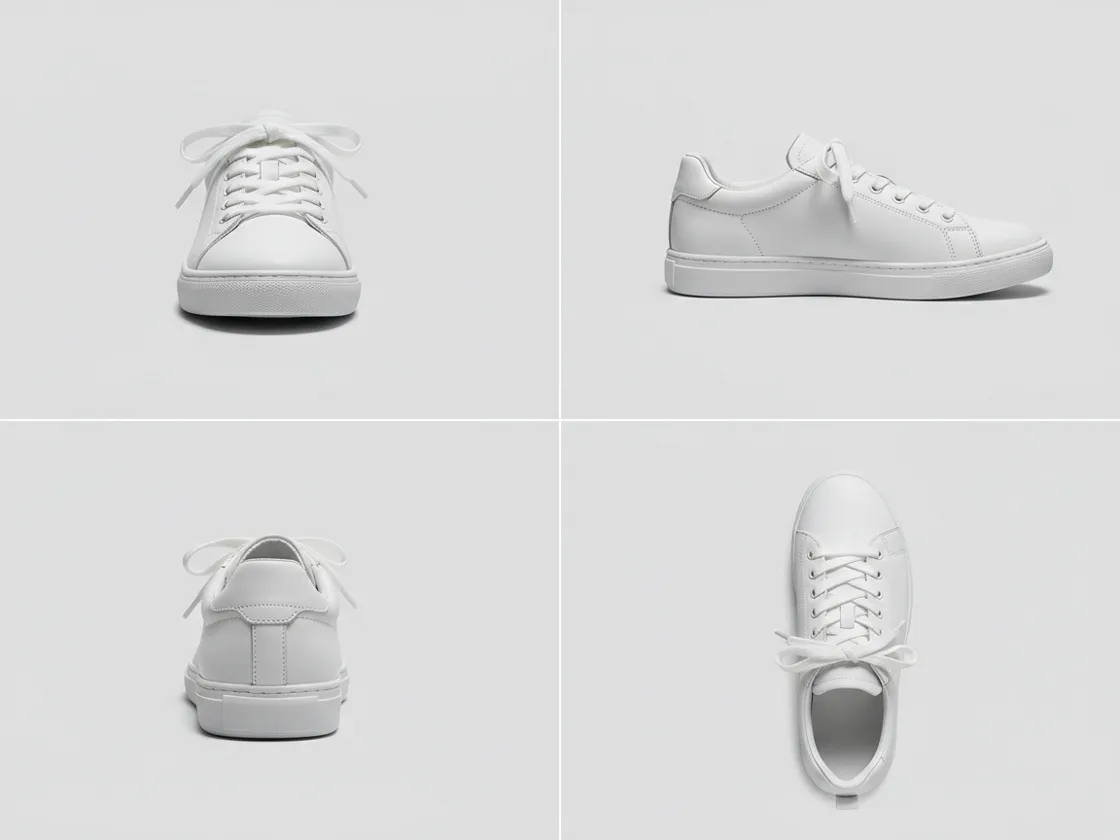
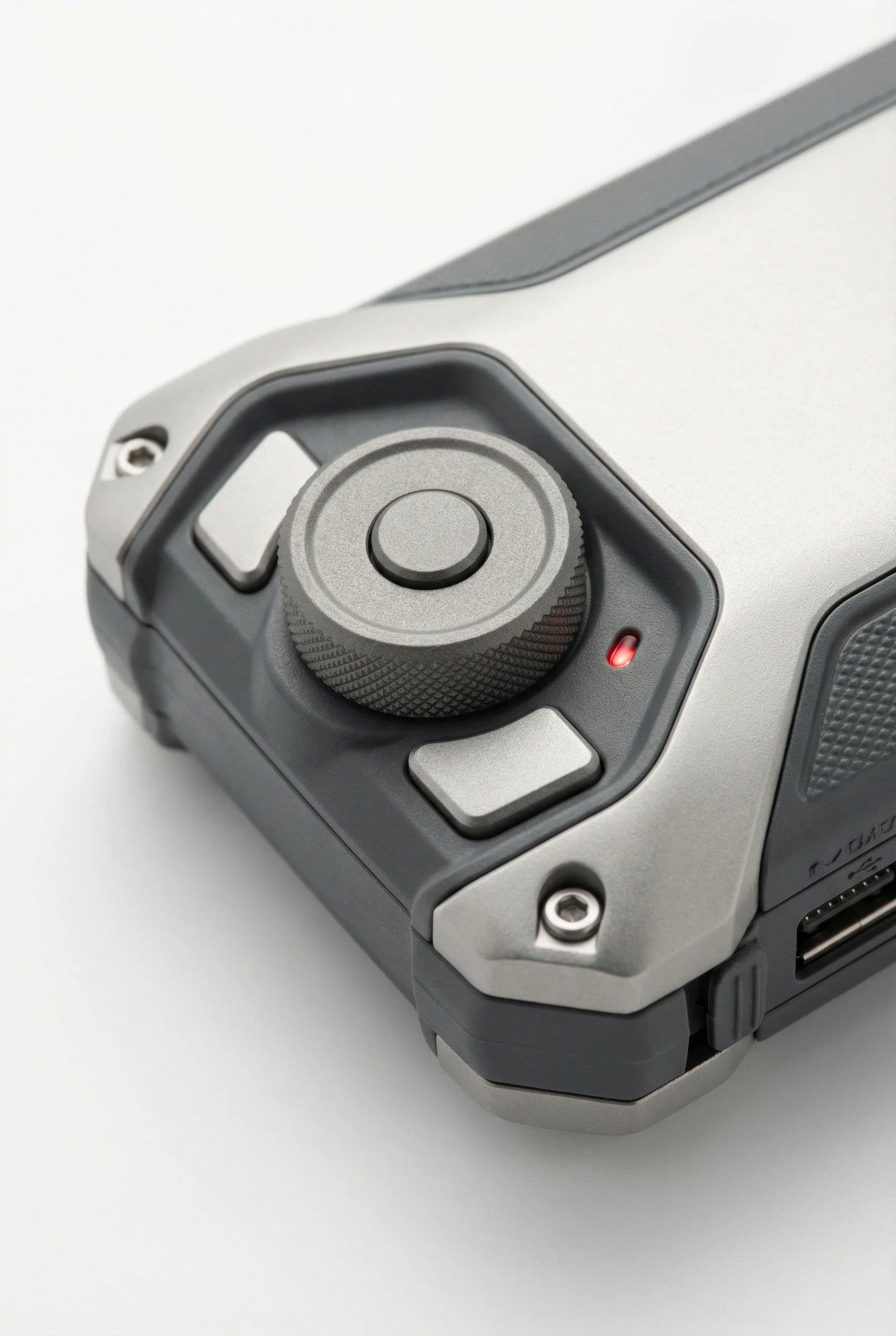
Upload a single product photo — a front-facing shot is the easiest starting point — and the AI generates the views you didn't capture. It reads the object's form, materials, and lighting from the one frame you have and renders the same product turned to a new angle, keeping the finish, proportions, and light direction consistent across the set.
Try for free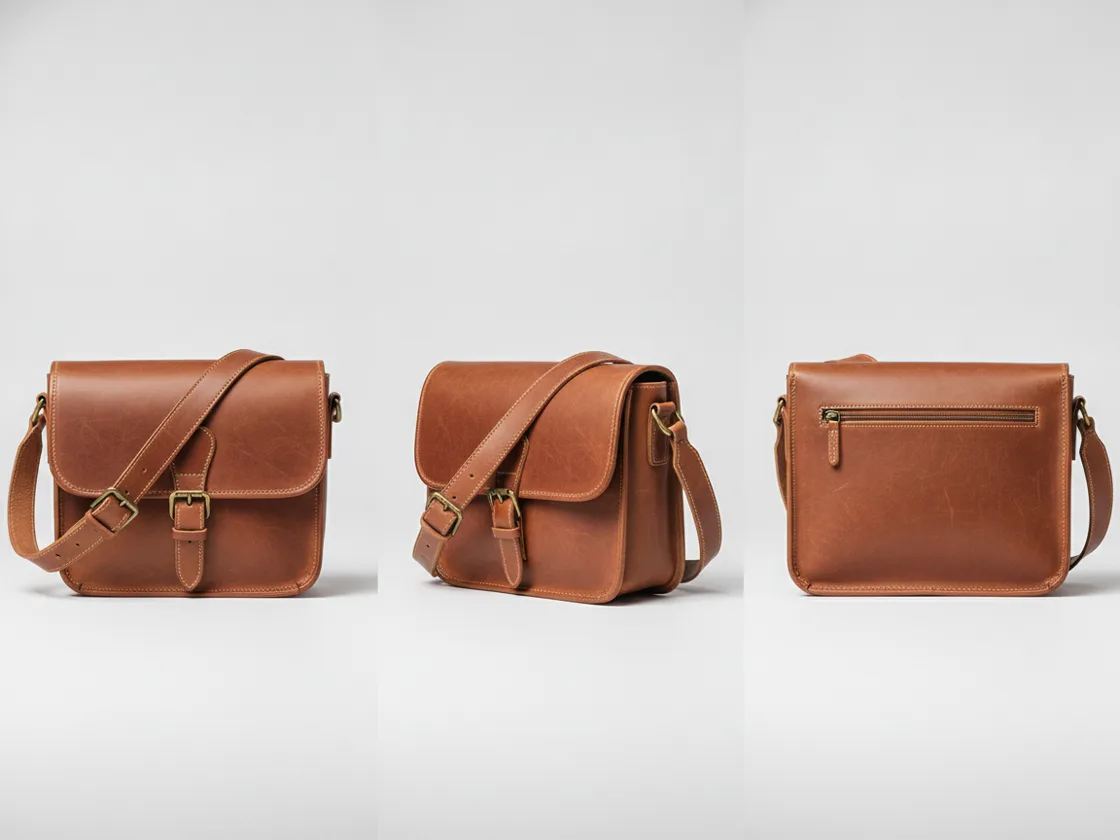
Three sliders set the camera. Rotate swings the product around its vertical axis — a nudge for a three-quarter hero, further for a side profile, all the way for the back view buyers ask about most. Tilt raises or lowers the viewpoint, which is how you get a top-down of an opening or closure. Scale sets how much of the frame the product fills. Set them, hit Generate, and the render comes back in seconds.
Try for free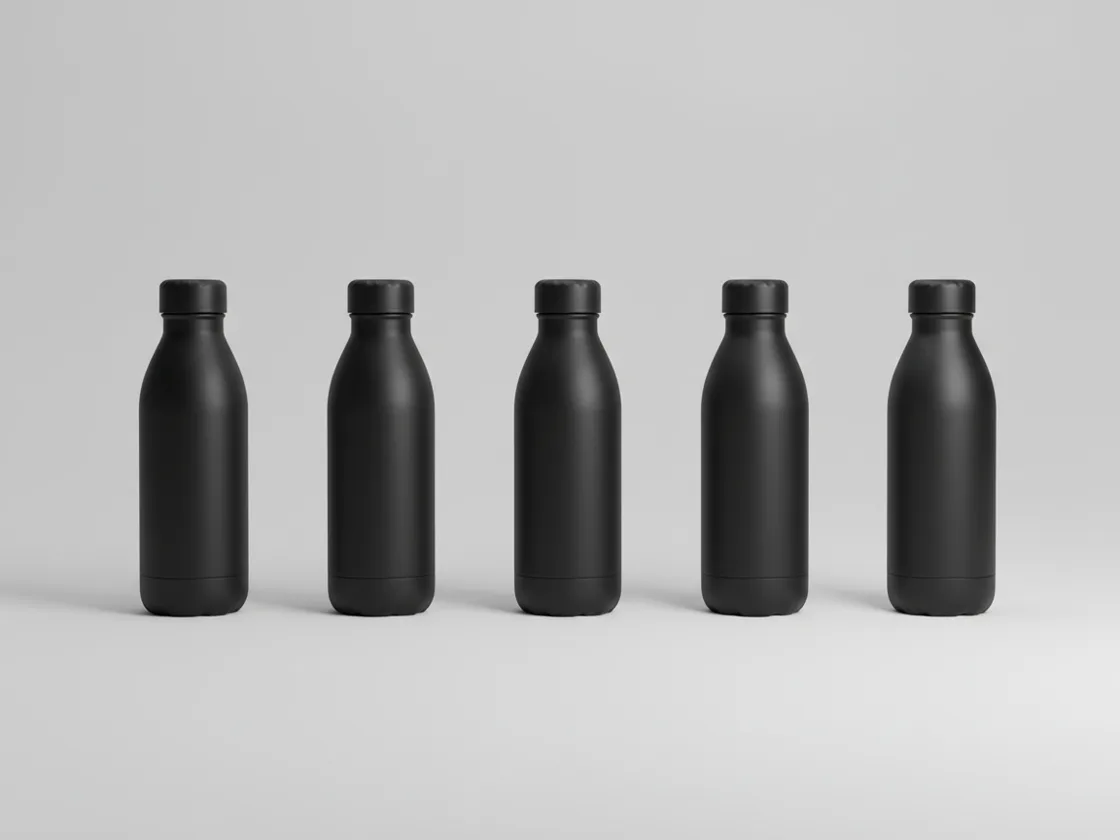
Marketplace listings want several images per product, and most sellers have exactly one usable supplier photo. Booking a shoot to produce the alternates costs days and a per-SKU fee; generating them takes minutes and keeps the framing identical across the set. For a catalog of hundreds of SKUs, that difference decides whether the alternates get made at all.
Try for freeThree sliders place the camera anywhere around the product — side, back, three-quarter, or overhead — from a single source frame. No turntable, no rig, no second session.
Proportions, materials, color, and hardware carry across every generated view, so the set reads as one object photographed repeatedly rather than several near-misses.
Light direction, shadow softness, and background carry over, which is what makes a grid look like a single shoot instead of a collage.
Change the sliders and generate again to build every angle a listing needs from the same upload, without re-establishing the setup between them.
Send any generated angle straight into background removal, staging, or cropping in the same editor — the alternates go out channel-ready, not as raw renders.
No studio booking, no product shipping, no crew. The turnaround is short enough to generate angles while the listing is being written.
“We had one photo per SKU from the supplier and no budget to reshoot a catalog that size. Generating the side and back views meant our listings finally had a full gallery instead of a single image.”

Emily Carter
Growth Marketing Strategist
“The thing I check first is whether the hardware matches between angles — the buckle, the stitching, the zip pull. It carries across, which is what makes the set usable rather than a novelty.”

Luca Moretti
Local Business & Event Marketing Consultant
“It doesn't replace a proper shoot for a hero product. For the long tail of SKUs that were never going to get photographed twice, it's the difference between one image and a full listing.”

James Walker
Ecommerce Creative Strategist
This is the hard part, and it's not a 3D rotation of the pixels you already have. Generating a back view means working out what the back of the object plausibly looks like from its front, its category, its materials, and how the light falls — then rendering it as a photograph. A tool that merely warps the source frame produces something that falls apart the moment the angle changes meaningfully.
Any single generated angle is easy to judge on its own. What matters is whether four of them sit together in a listing gallery without one looking like a different product — same finish, same proportions, same light. Generating them all from one source is what holds those constant, and it's why the set looks deliberate rather than assembled.
Most sellers have one supplier image per SKU and no realistic route to more. Reshooting hundreds of products is a budget question rather than a scheduling one, which is why the alternates usually never get made and the listings stay thin. Generating them removes the reshoot from the equation entirely.
Turn any product photo into channel-ready studio imagery — no studio, no reshooting.
Explore workflow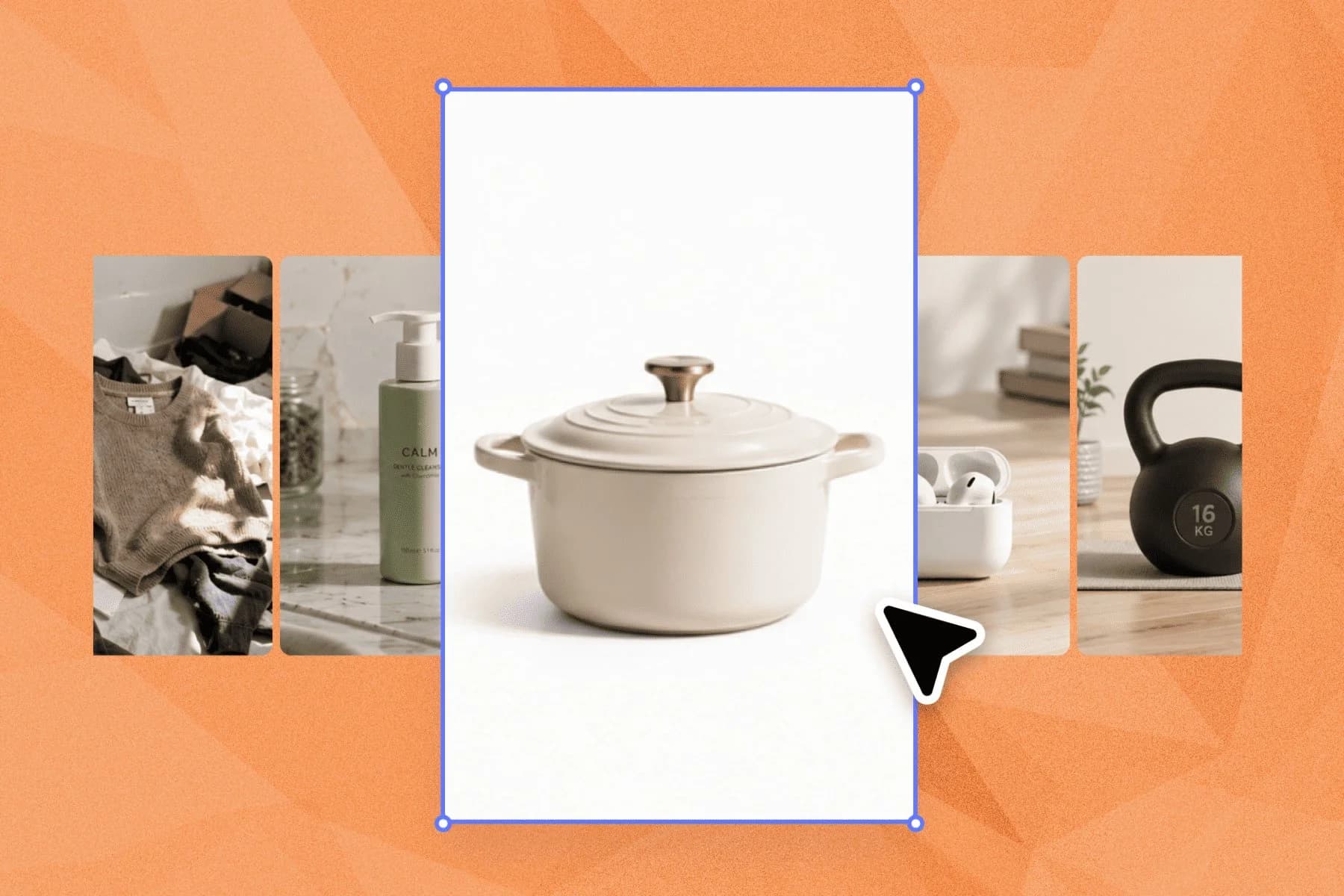
Ecommerce image editing across every SKU — background removal, cleanup, and upscaling that meet marketplace specs.
Explore workflowUpload the photo you have and set the rotate, tilt, and scale sliders to the viewpoint you want, then hit Generate. The AI reads the object's shape, materials, and lighting from the source frame and renders the same product seen from that new angle.
A sharp, well-lit, front-facing or three-quarter shot with the whole product in frame and an uncluttered background. The more of the object's form and material the source shows, the more accurate the generated angles are.
It produces photographs, not a 3D model. There's no mesh to spin and no interactive viewer — you get individual images at the angles you asked for, ready to upload as listing images.
Visible features carry across accurately. Detail on a face the source photo never showed is inferred from the object's form and category, so it's plausible rather than measured. Review generated angles before publishing, particularly where a hidden side carries branding or specific hardware.
As alternate and supporting images, yes. Check the policy of the marketplace you sell on — several require the main image to be an unmodified photograph of the actual product, so keep your real shot as the primary and use generated angles for the supporting slots.
As many as the listing needs — change the sliders and generate again. Each render starts from the same source photo, so adding a fifth view doesn't drift away from the first four in lighting or finish.
See how teams are using Playyy to ship better visuals, faster.
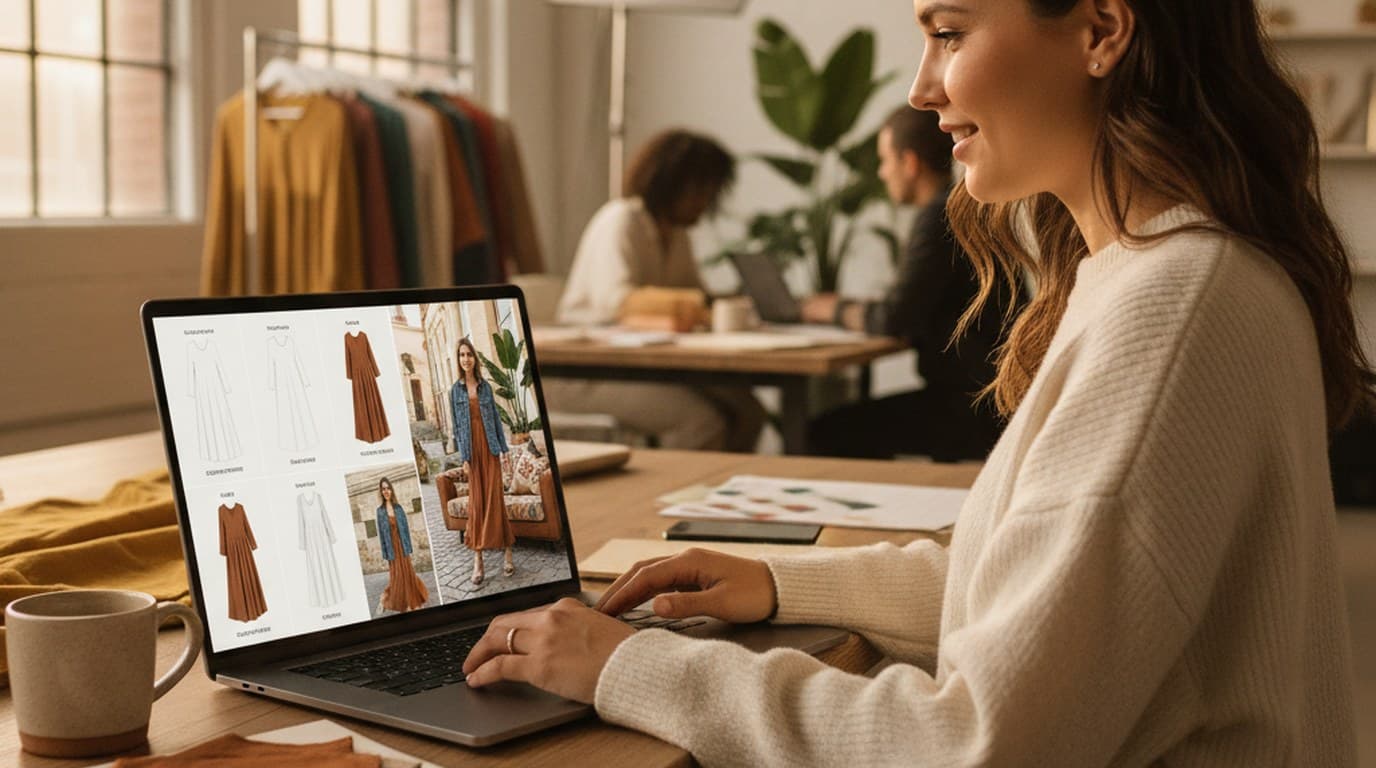
Sixty lifestyle images, three days, no studio. How one Shopify brand cut product shoot costs by 80% using AI photo editing.
 James Walker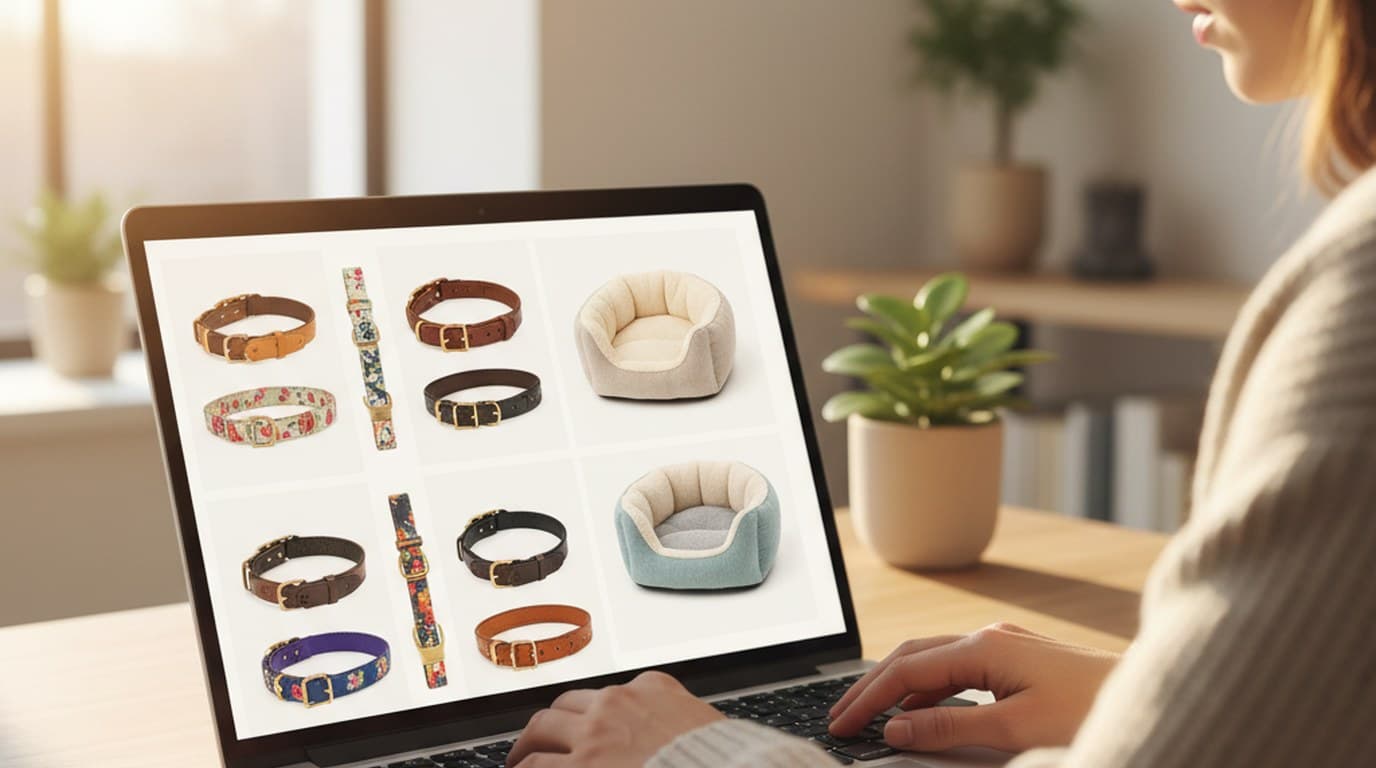
Ninety marketplace-ready product images, four days, no studio. How one pet brand replaced its entire catalog workflow with AI.
James Walker
A 200-SKU Amazon pet brand used AI image expansion to turn one product shot into every channel format — and cut per-SKU image cost by 70%.
James WalkerKeep every image on brand, control the final look, and turn campaign ideas into polished assets without waiting on another design cycle.