AI Photo Editing Instead of a Full Product Shoot
 James Walker
Every season, Owen Blake faced the same problem: a new collection ready to launch, and not enough time or budget to photograph it properly. Using an AI photo editor changed the math entirely.
Owen runs a Shopify-native women's clothing label. Four collections a year, each requiring 60 product images in at least two lifestyle contexts per SKU — that's 120+ images per launch. Before Playyy, producing those images meant booking a studio day, coordinating a photographer, arranging models, and hoping nothing ran over budget.
When a supplier delay pushed one collection's arrival to 10 days before launch, a reshoot was off the table.
A realistic AI photoshoot starts with what you already have. When a brand's source images are clean, well-lit supplier JPEGs, a skilled AI photo editor can place that product in any lifestyle scene without restarting from scratch. The result is commercially viable imagery at a fraction of the original cost.
The result. Owen used Playyy's Background Remover, Style Transfer, and Visual Enhancer to transform 60 supplier JPEGs into launch-ready lifestyle product images in three days. Production cost was a fraction of an equivalent studio shoot, and click-through rates on the new images matched the previous season's professionally photographed collection.
The Real Cost of Seasonal Product Photography
Most Shopify brands don't track what product photography actually costs per launch cycle — they absorb it as a fixed expense. For Owen, the true number was significant: photographer fee, studio rental, model booking, props, post-production, and the hidden cost of scheduling delays that pushed launch dates back.
According to a 2024 survey by the Shopify Partner Blog, the average DTC brand spends between $1,500 and $4,000 per product photography session for a 20–30 SKU shoot. For a brand launching four collections a year with 60 SKUs each, that compounds fast. AI photo editing now completes comparable work for a fraction of that, processing images in minutes rather than scheduling sessions weeks in advance.
Owen had been tracking these costs for two seasons. The photography budget wasn't just money — it was a scheduling constraint that locked the launch calendar to the photographer's availability rather than the product's readiness.
For the use case these images would serve, see AI Product Photography Without a Studio.
Starting From What the Supplier Sent
Fashion e-commerce operates on one of the shortest product photography cycles of any DTC category. Seasonal collections typically launch four to six times per year, and each launch requires imagery that matches the moment — not the imagery from three months prior. Studio photography can rarely keep pace with that cadence at the budgets available to growing Shopify brands, which is why supplier imagery remains the default starting point for the majority of independent fashion sellers despite being commercially suboptimal.
The supplier delivered what most e-commerce brands receive: flat, well-lit white-background JPEGs. Functional. Not launch-ready.
Owen used Playyy's Background Remover to isolate each garment cleanly from its original background. This step took roughly 2–3 minutes per SKU — not the 15–20 minutes that manual masking in Photoshop would require. Object Remover handled stray elements: a hanger shadow here, a size tag visible through a sheer fabric there.
The output was a set of clean product cutouts — no background, no distractions, consistent across the full 60-SKU collection. That consistency mattered, because every subsequent step depended on the same clean starting point.
In our experience working with brands on AI photo editing workflows, the quality of the cutout determines the quality of the final scene. A rough mask produces visible halos and edge artifacts. Playyy's tool produced edges that held up at zoom, which was the first real signal this workflow could match studio output.
Building the Scene With an AI Photoshoot Approach
With clean cutouts ready, Owen described each lifestyle setting: a sunlit bedroom with linen textures for the loungewear range, a terrace table with Mediterranean light for the summer dresses, a minimal home-office surface for the workwear pieces.
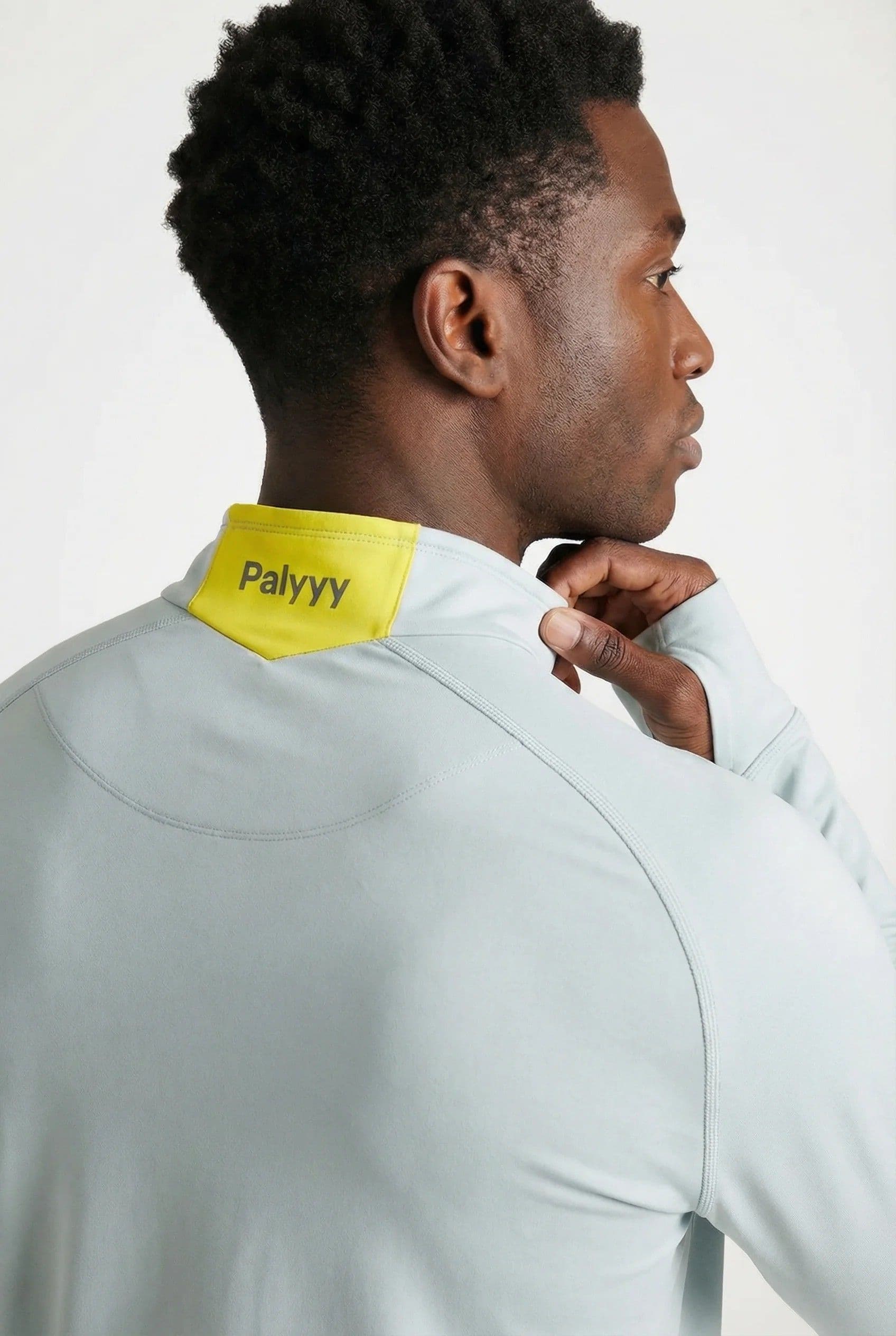
Style Transfer placed each garment into these scenes while maintaining the fabric's texture, color accuracy, and drape. The result was an AI photoshoot without a set — the product appeared to have been shot on location, surrounded by contextually appropriate props and lighting.
Product image quality directly shapes the purchase decision online, because it is standing in for handling the item. Lifestyle photography consistently outperforms white-background-only listings in click-through rate for fashion categories — which is the business reason this workflow existed in the first place. AI-assisted photography now lets brands produce that lifestyle imagery without the logistics that previously made it expensive.
The the brand campaign called for three scene types per garment. Applying all three to 60 SKUs using the AI photoshoot workflow took one full working day for Owen's team of two.
For a broader guide on this workflow, see AI Photoshoot for Creators.
60 Images, Three Days, One Launch
Visual Enhancer ran as the final quality pass — sharpening detail, lifting midtones, and bringing the images to the resolution standard expected on the brand's product detail pages.
The numbers:
- 60 SKUs × 1 cover image + 1 lifestyle variant = 120 final images
- Production time: 3 days from supplier JPEG to export-ready files
- Previous equivalent: 2 weeks, including photographer, studio, and post-production
- Cost comparison: a fraction of the external photography equivalent
The launch went live on schedule. Owen's internal comparison — cross-referencing click-through rates on product listing pages against the previous season's studio-shot images — showed no measurable difference in performance. The AI-edited images converted at the same rate as images produced at nearly five times the cost.
For more on background removal as a foundation for this workflow, see How to Remove Backgrounds From Product Photos.
What the Numbers Actually Mean
The cost saving is real, but it understates the strategic shift. The brand no longer depends on a photographer's calendar to set the launch date. When a new SKU arrives early, they can have e-commerce images ready in 24 hours. When a launch needs additional lifestyle variations — a new season's color story, a gifting campaign, a marketplace-specific banner — the team produces them in hours, not days.
The brand still books a full production shoot once a year for hero campaign imagery and lookbook content. That relationship with their photographer is intentional — there are images where the craft and control of a studio session produce results that AI editing can't match at scale. But for the catalog work that constitutes most of their per-season volume, the AI photo editor workflow is now the default.
The launch pipeline moved faster. The team's time shifted from coordinating logistics to reviewing creative output.

James Walker
I help Shopify and Amazon sellers improve product images, promotional banners and ad creatives. I focus on practical visual improvements that help products look more credible and conversion-ready — no design jargon, just what works.
Frequently asked questions
For most digital commerce placements — product detail pages, paid ads, social posts, marketplace listings — AI photo editing produces commercially viable results. For hero campaign imagery, fashion editorials, or large-format print, a studio session still offers advantages in lighting control and art direction. Most brands use both: AI editing for volume catalog work, professional photography for flagship creative.