Ecommerce Product Photo Editing: Amazon & Shopify
Ecommerce image editing across every SKU — background removal, cleanup, and upscaling that meet marketplace specs.
Explore workflowGenerate the graphic for your hoodie in seconds — chest hit, full back print, or sleeve — then download the print-ready file and order from whichever printer you already use
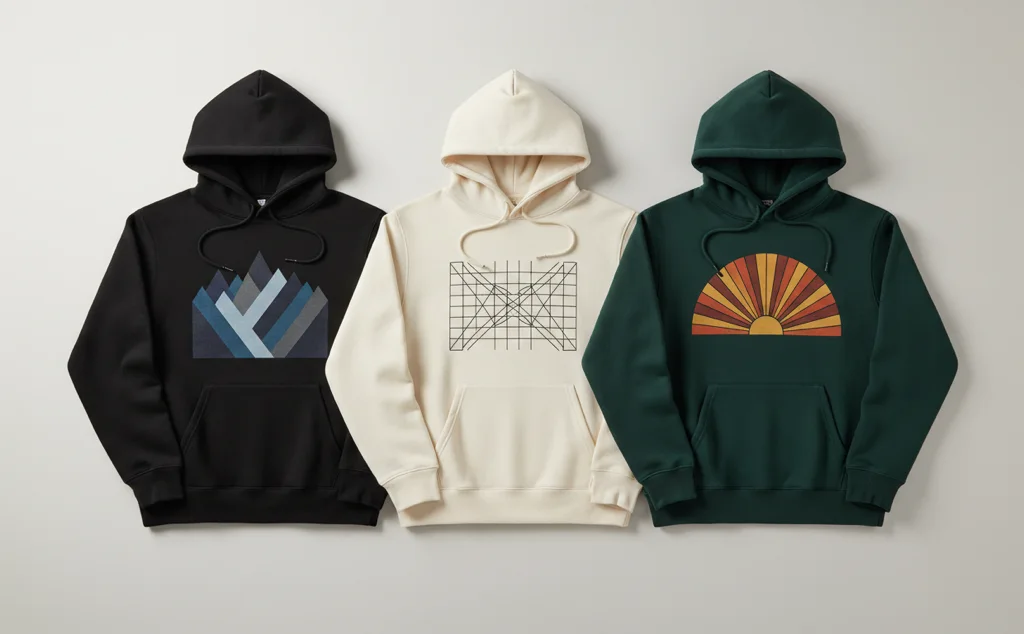
Printers and print-on-demand shops handle the garment. The thing they all ask you to supply is the artwork — that's what this makes.
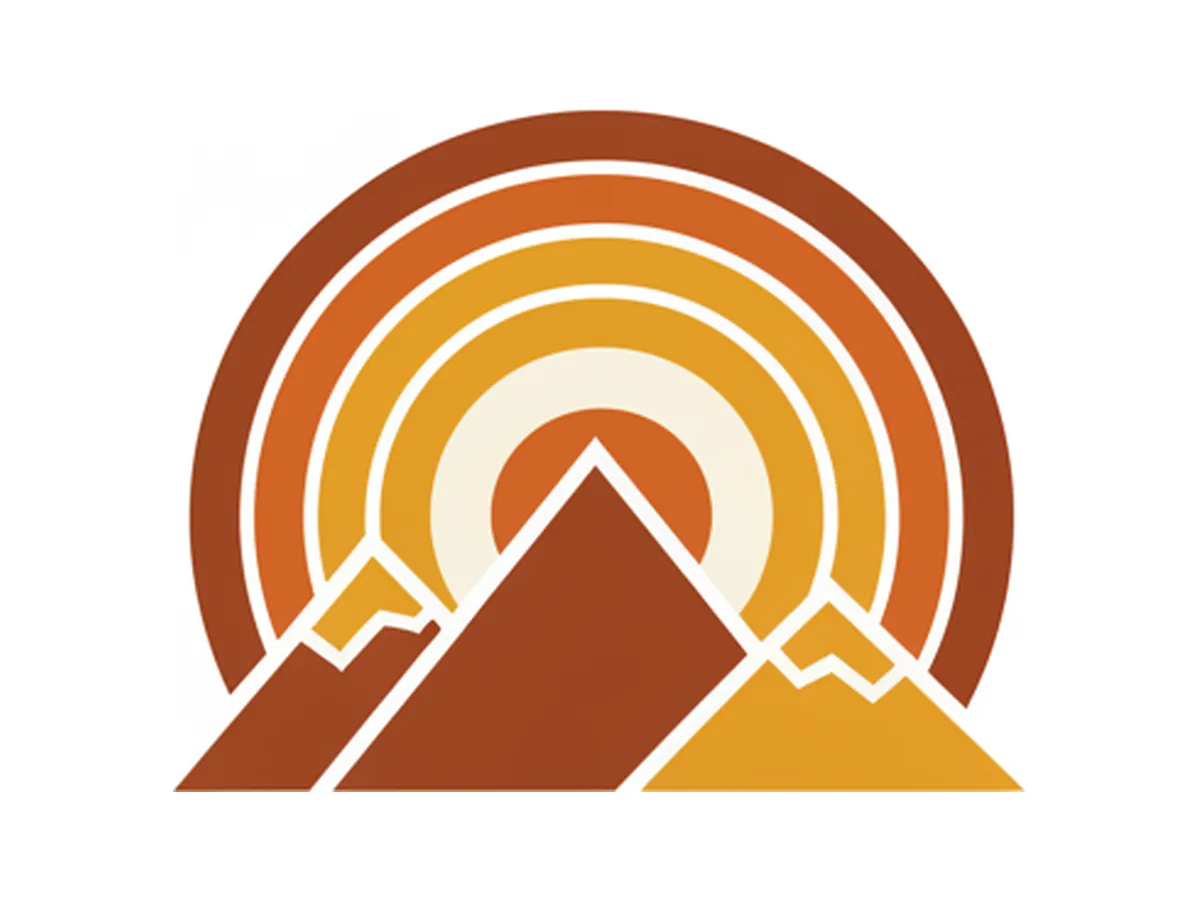
Type the idea — an abstract mountain landscape in earth tones, a monoline geometric grid, a retro sunburst, a club crest for a team — and the AI draws it. Ask for a heavier weight, fewer colors for screen printing, or a version that works on a dark garment, and it adjusts the same design instead of starting over.
Try for free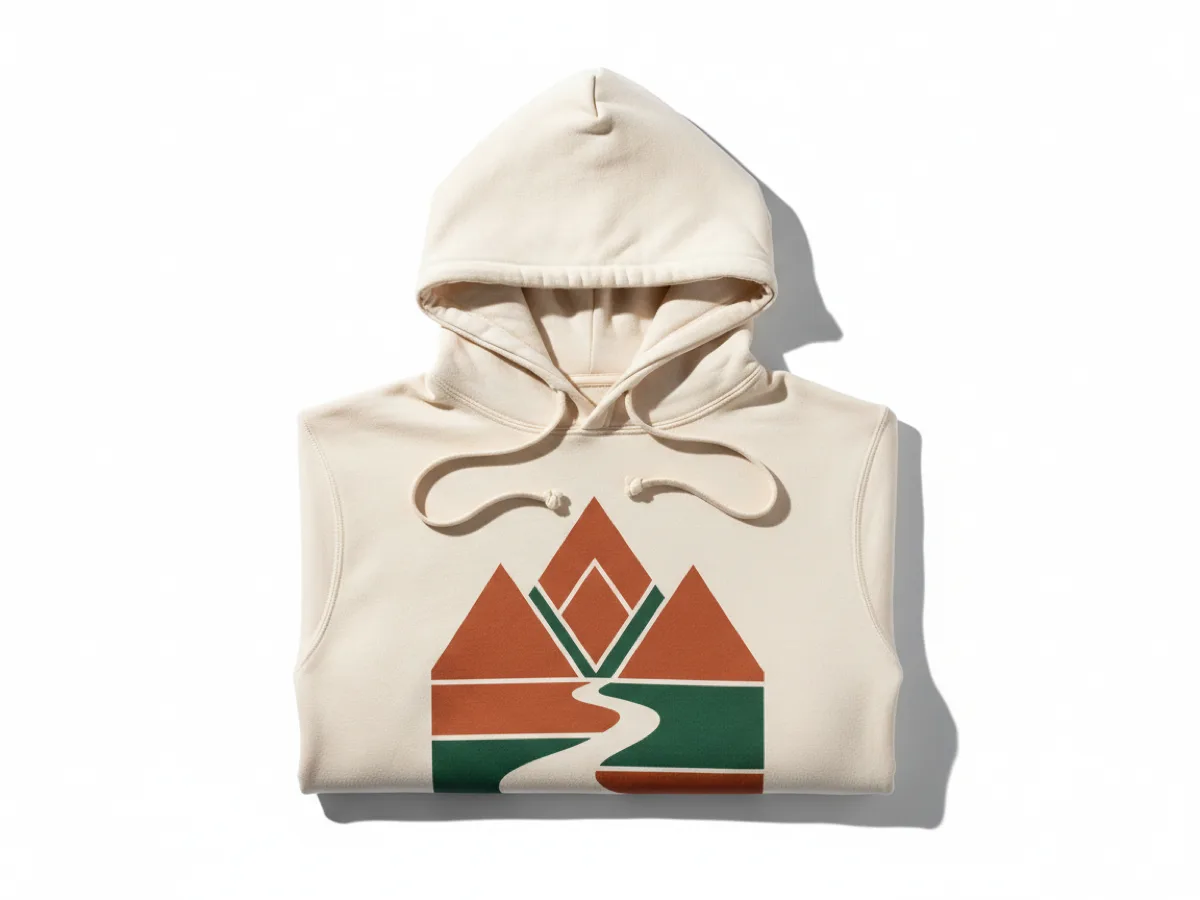
Hoodies print differently from tees: the front pocket eats the lower third of a chest print, drawstrings cross the centre, and heavyweight fleece softens fine detail. Put the design on a hoodie and look at it before ordering — how it sits above the pocket, whether it holds up on cream versus charcoal, whether the linework is thick enough for fleece.
Try for free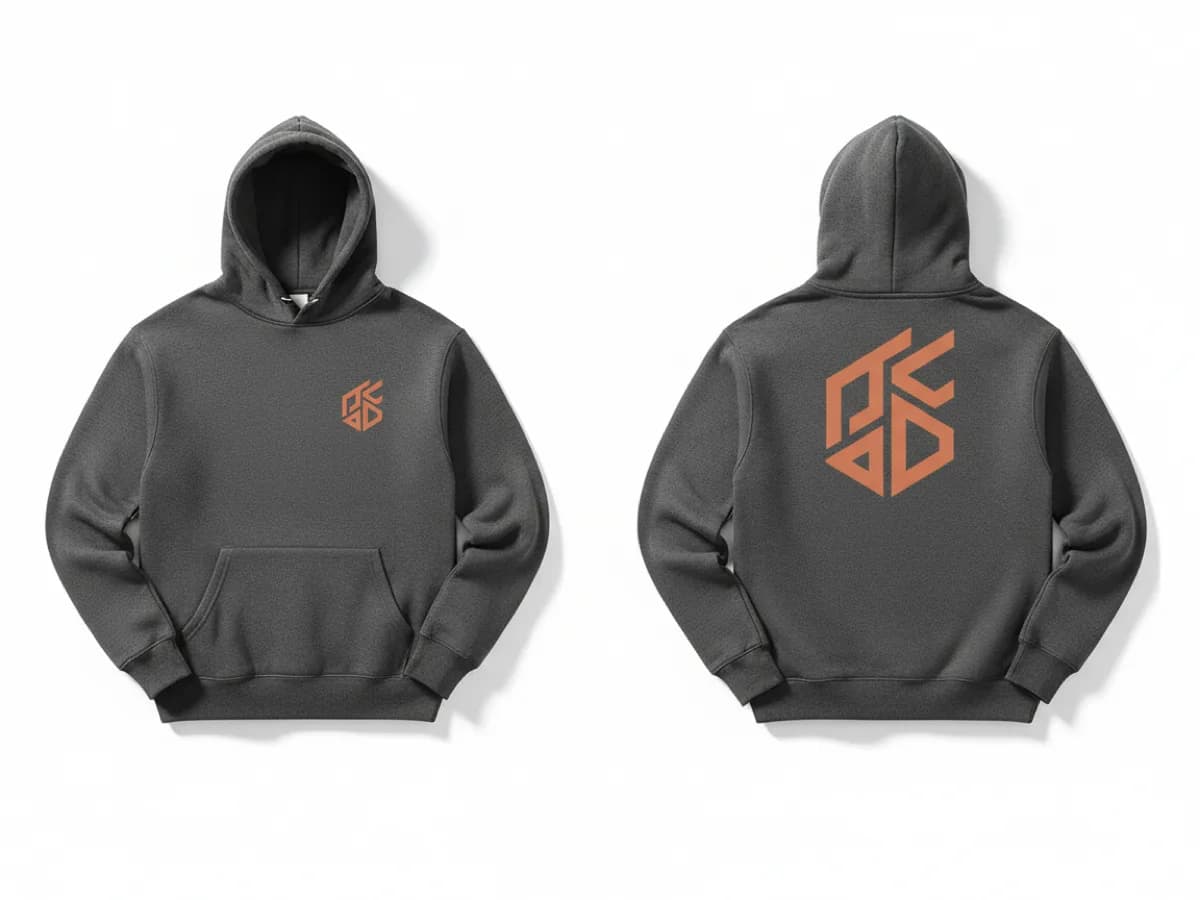
A small left-chest mark and a full back print are usually the same artwork at two very different sizes — which is exactly where raster files fall apart. Export the SVG and both come from one file with identical edges. Export a transparent PNG when your print-on-demand service wants raster. Either way, the file is yours to upload to Printful, Printify, Gelato, or a local screen printer.
Try for freeDescribe the graphic in plain language and get original artwork — no template to fill in and no stock clipart to license.
Left chest, full front above the pocket, full back, and sleeve prints, sized from the same design without softening.
Vector for screen printing and vinyl, transparent raster for DTG and print-on-demand uploads.
Generate a version that reads on charcoal and black, or reduce the palette to the few colors a screen printer will quote cheaply.
See the graphic on the hoodie — above the pocket, around the drawstrings — before you pay for a sample.
Keep one graphic consistent across hoodies, tees, and caps so a merch drop looks like a collection rather than three separate ideas.
This isn't a print shop — there's no garment catalogue and no shipping. You get the design file, and you take it to whichever printer or print-on-demand service you already use.
Heavyweight fleece swallows thin lines and small detail. Reviewing the design on the garment, at the real placement, catches that before a sample does.
Vector artwork means a 4-inch chest hit and a 14-inch back print are the same file. No regenerating, no soft edges at the larger size.
Ecommerce image editing across every SKU — background removal, cleanup, and upscaling that meet marketplace specs.
Explore workflow
From brand identity direction to a complete launch kit — without hiring a designer or an agency.
Explore workflowDescribe the graphic you want printed and generate it, preview it on a hoodie to check scale and placement, then download the print-ready file. Take that file to a print-on-demand service or a local screen printer, who supply the garment and do the printing.
No — this generates the artwork only. You download an SVG or transparent PNG and upload it to whichever printer you prefer, such as Printful, Printify, Gelato, or a local shop. That's deliberate: it means you're not locked into one garment catalogue or one set of shipping rates.
Most DTG and print-on-demand platforms want a transparent PNG at the print dimensions. Screen printers and vinyl cutters generally prefer vector artwork. Both exports come from the same design, so you can match whatever your printer asks for.
A left-chest hit is usually about 3–4 inches wide; a full front print above the pocket is typically 10–11 inches; a full back print runs 12–14 inches. Check your printer's specification, since maximum print areas vary by garment and machine. A vector file covers all of those sizes without regenerating.
Ask for it explicitly. Designs built for white garments often rely on dark linework that disappears on charcoal or black. Generate a dark-garment version with lighter values and check it on the actual color before ordering.
Yes — designs you generate are yours to use commercially, including on Etsy, Shopify, and print-on-demand storefronts. As with any design tool, don't prompt for real brands, team logos, or copyrighted characters.
Yes, and it's the main argument for exporting vector: one graphic resized for a hoodie back, a tee front, and a cap panel stays visually identical across the three, which is what makes a merch drop read as a collection.
See how teams are using Playyy to ship better visuals, faster.
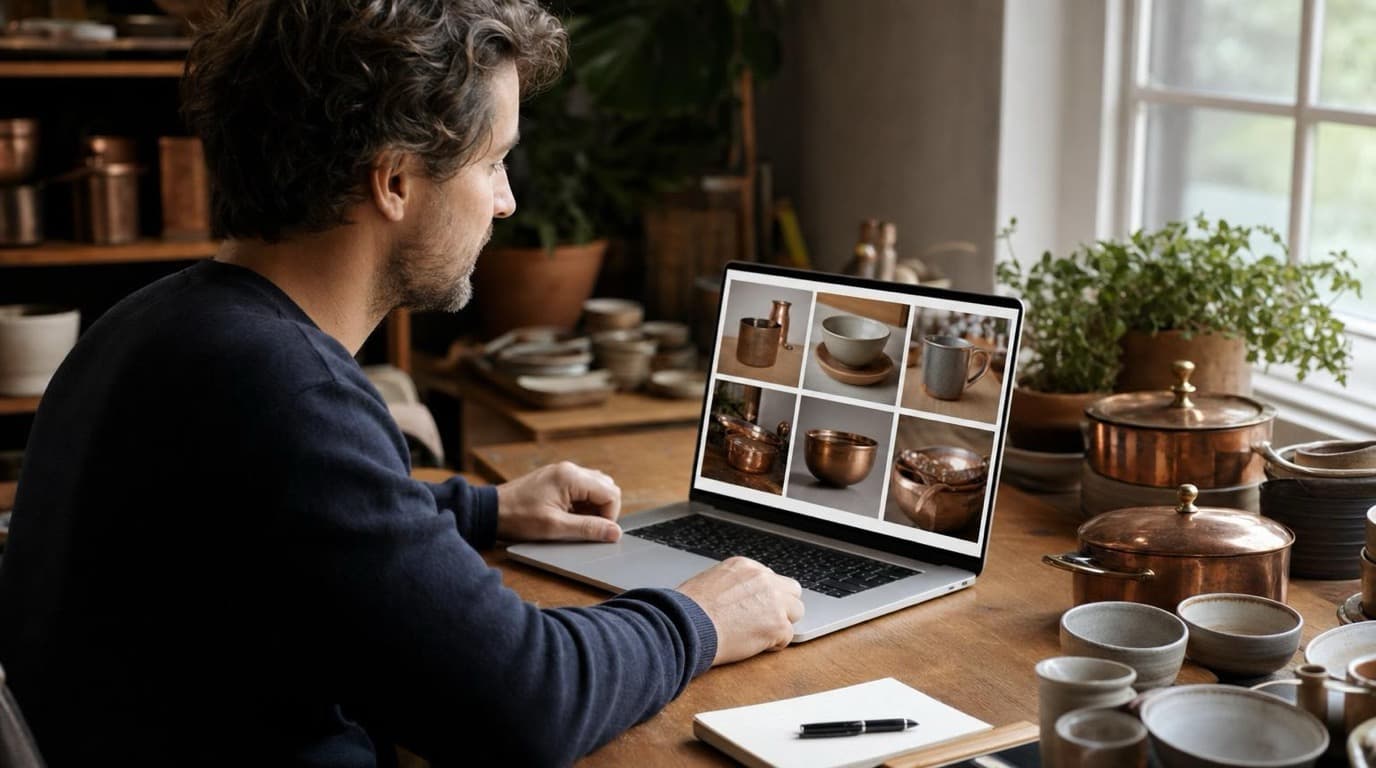
A 300-SKU Shopify founder cancelled $800/year in Adobe CC and upscaler subscriptions after switching to Playyy for background removal, object cleanup, and AI lifestyle images.
 James Walker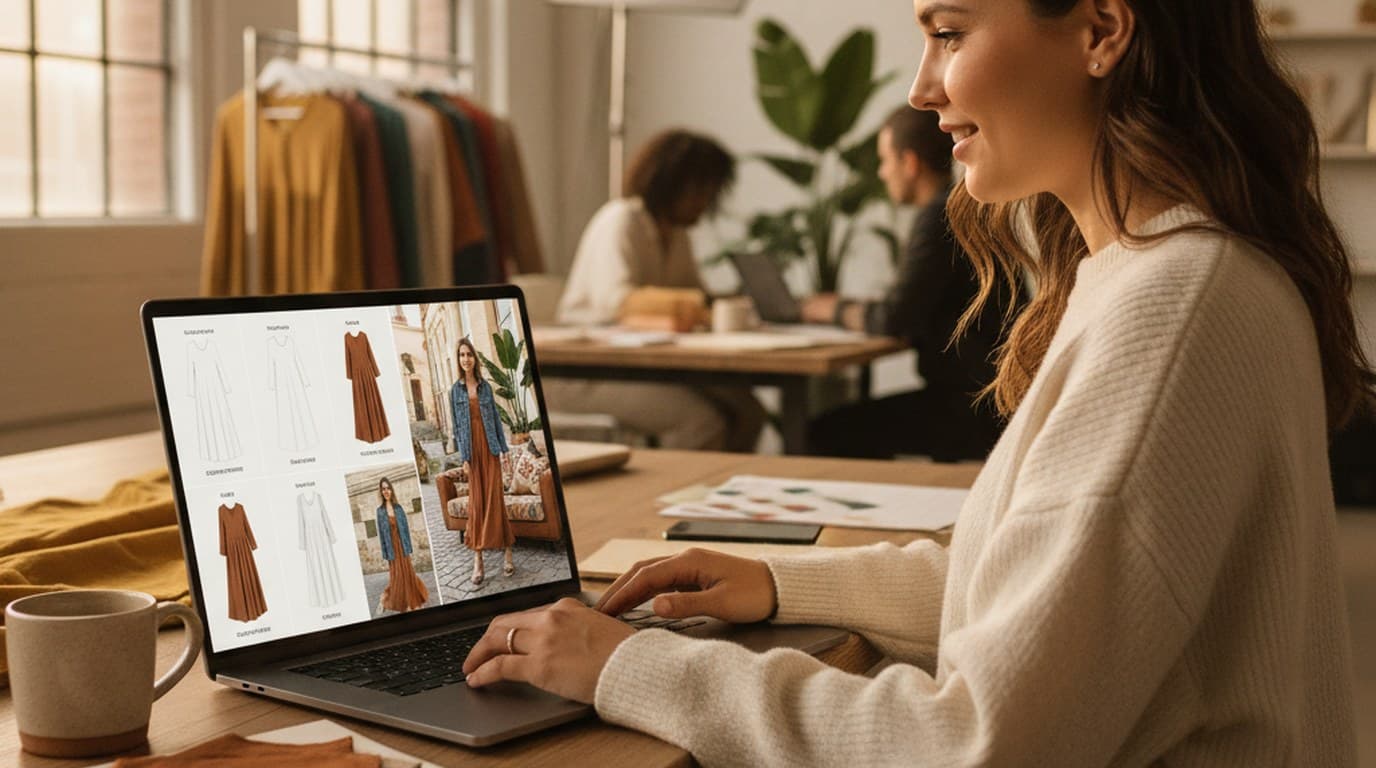
Sixty lifestyle images, three days, no studio. How one Shopify brand cut product shoot costs by 80% using AI photo editing.
James Walker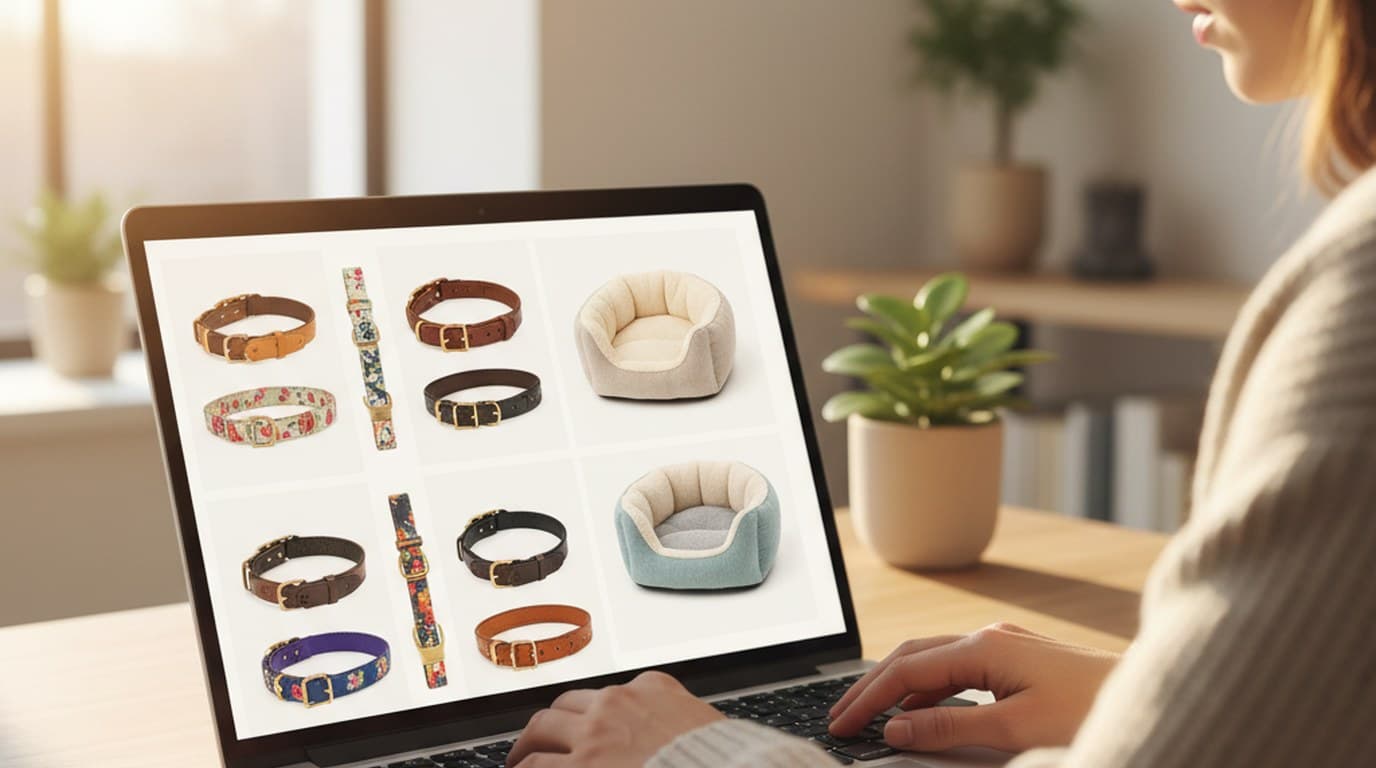
Ninety marketplace-ready product images, four days, no studio. How one pet brand replaced its entire catalog workflow with AI.
James WalkerKeep every image on brand, control the final look, and turn campaign ideas into polished assets without waiting on another design cycle.