NightCafe AI Review: Quality, Speed, and Pricing
 Claire Dubois
NightCafe AI has been around longer than most AI art tools. Launched in 2019, it predates the Midjourney moment and has accumulated a large community of artists and experimenters. That history shows — in both the breadth of models on offer and the accumulated quirks that come from building before modern standards existed.
This review covers what NightCafe actually does well, where its credit system creates friction, what image quality looks like across its different models, and — critically — whether any of this is useful for brand and commercial visual work.
Direct answer. NightCafe AI is a multi-model AI art generator that lets you create stylized images using models such as GPT Image, Nano Banana, Flux, Stable Diffusion and community-trained fine-tunes. It runs on a credit-based system, with a free tier of 5 credits per day and paid plans from $5.99/month. It's well-suited to artistic exploration and personal creative work. For brand-accurate commercial imagery, its lack of photo-editing capabilities and inconsistent output quality across style consistency make it a poor fit compared to purpose-built commercial tools.
What Is NightCafe AI?
NightCafe AI — officially NightCafe Studio — is a browser-based AI art generator that aggregates multiple image generation models under one interface. The core premise is accessibility: you don't need API credentials or technical setup to access Stable Diffusion, Flux or GPT Image. You open a browser, type a prompt, and get results.
The platform has three layers that matter for any serious review. First, the generation interface itself — prompt input, model selection, style presets, and output settings. Second, the credit economy, which governs how much you can generate and at what cost. Third, the community gallery, which is one of the platform's most distinctive features: NightCafe is as much a social platform for AI art as it is a generation tool.
NightCafe publishes a running creation counter, and the total sits in the tens of millions of artworks — placing it among the most-used consumer AI art platforms by volume. The community gallery hosts a large share of those publicly, and the engagement mechanics (liking, following, challenge participation) are tightly integrated with the credit system.
NightCafe AI Models: What's Actually Available
The multi-model selection is NightCafe's clearest competitive advantage. At any given time, you can choose between:
- Stable Diffusion (multiple versions, including SD 1.5, SD 2.1, and SDXL)
- OpenAI's GPT Image models (DALL-E 3 was removed after OpenAI retired the DALL·E API on May 12, 2026)
- Google's Nano Banana and ByteDance's Seedream
- Flux
- SDXL Lightning (faster generation at lower quality)
- Community-trained models — style-specific fine-tunes with varying quality
From a creative direction standpoint, the model variety is genuinely useful for exploration. Each model has distinct aesthetic tendencies: SDXL handles photorealistic scenes better, older SD versions have a characteristic painterly quality, and GPT Image and Nano Banana follow complex compositional prompts and in-image text far more reliably. The ability to run the same prompt across multiple models side-by-side in a single session is something most standalone tools don't offer.
The limitation is consistency. Switching models doesn't preserve style logic — each model interprets prompts through its own training distribution. For a brand looking to generate a cohesive set of assets across a campaign, this model-switching approach produces stylistically scattered results.
The Credit System: How It Works and Where It Breaks Down
NightCafe runs on a credit economy. Free accounts receive 5 credits per day. Stable Diffusion generations are the cheapest, while premium models such as GPT Image and Nano Banana cost several times more per image. High-resolution outputs and multiple-image generations scale accordingly.
The platform's answer to credit scarcity is community participation. Liking images, commenting, publishing your own work, and taking part in daily challenges all earn bonus credits, so an active free user can stretch the daily allowance well beyond a handful of images.
Paid plans as of 2026:
| Plan | Monthly Price | Credits/Month |
|---|---|---|
| AI Beginner | $5.99 | 100 |
| AI Hobbyist | $9.99 | 200 |
| AI Enthusiast | $19.99 | 500 |
| AI Artist | $49.99 | 1,400 |
For occasional personal use, this pricing is reasonable. For a brand team generating image variations across a campaign — testing backgrounds, color treatments, and compositions — 200 credits per month disappears fast. A single product shoot requiring 20 hero image variations, each tested across 3 models, consumes 60–150 credits before you've reviewed results.
Brands running AI generation for campaign content work at variation counts in the hundreds per cycle, because the point of generative tooling in a campaign is testing directions rather than producing one final asset. NightCafe's credit structure isn't built for that volume outside its highest tier — which is the clearest signal that it's a hobbyist and community platform rather than a production one.
Image Quality: An Honest Assessment
Quality varies significantly by model and prompt complexity. Here's what the output actually looks like in practice:
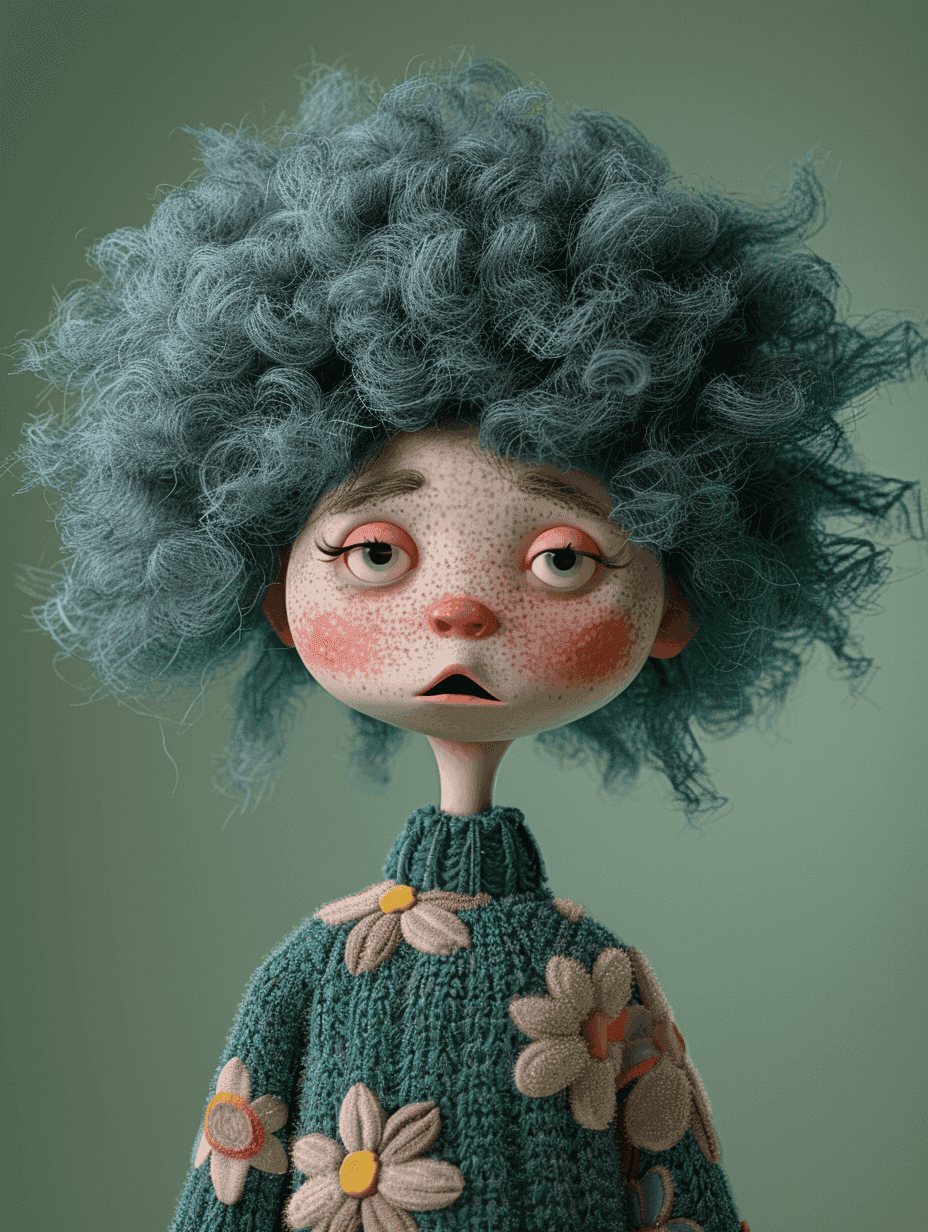
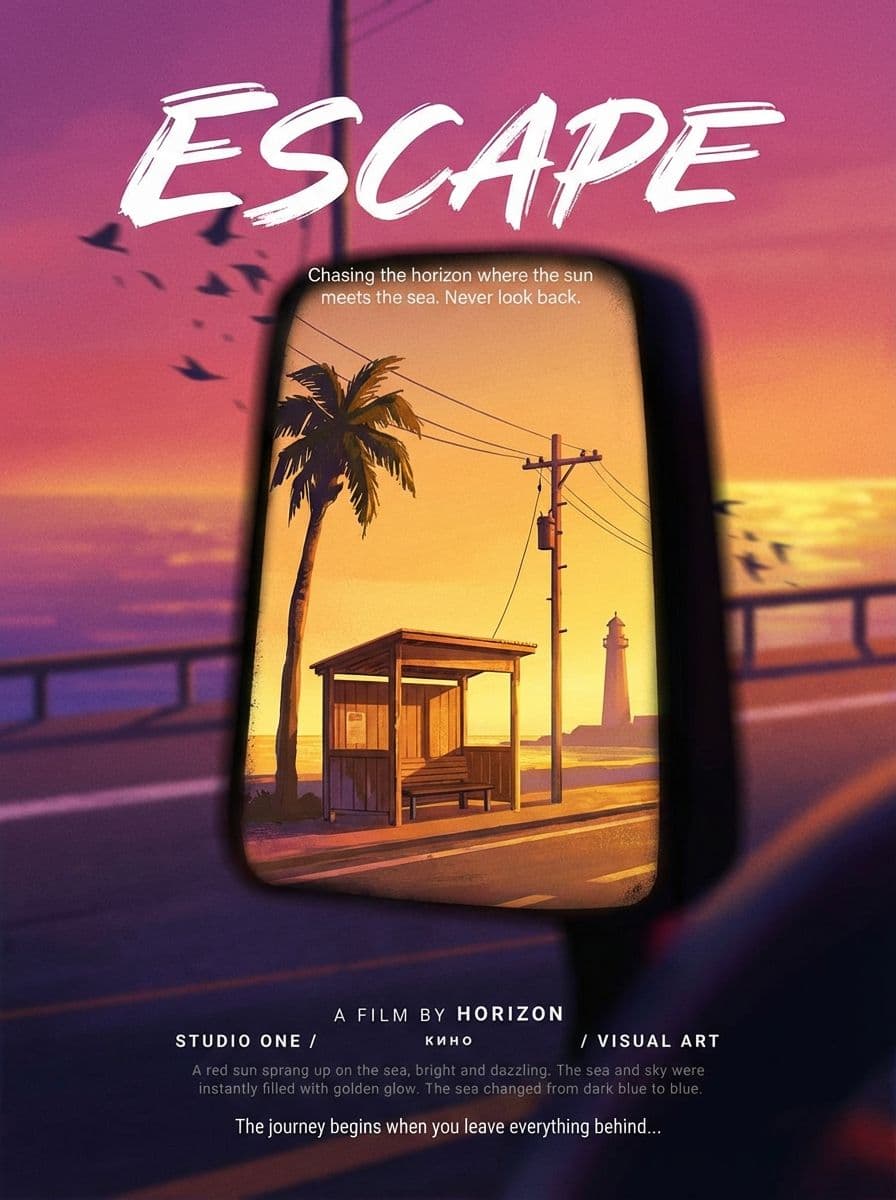
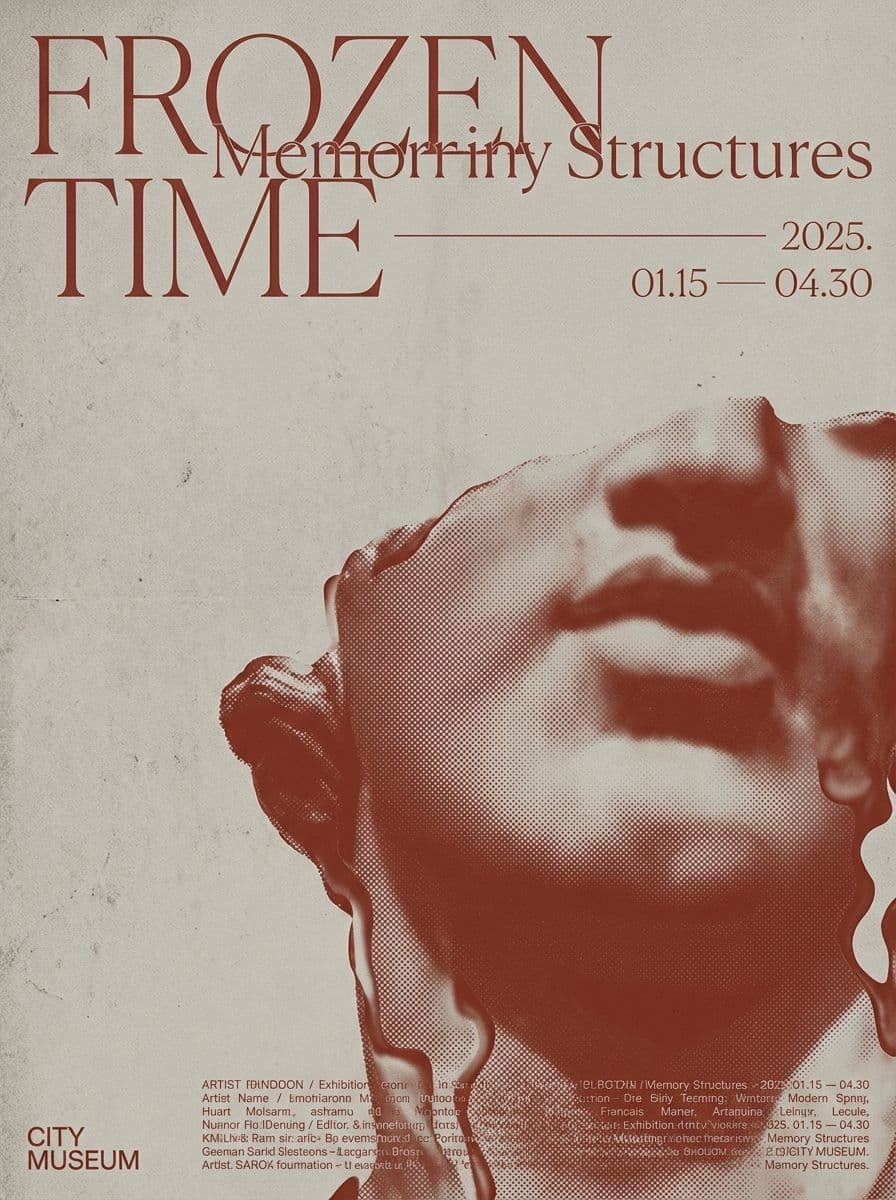
Stable Diffusion 1.5 and 2.1: These produce the characteristic "AI art" aesthetic — painterly, slightly surreal, prone to hallucinated details in complex scenes. Hands and text remain problematic. For abstract art, landscapes, and fantasy scenes, the output quality is high for the price point.
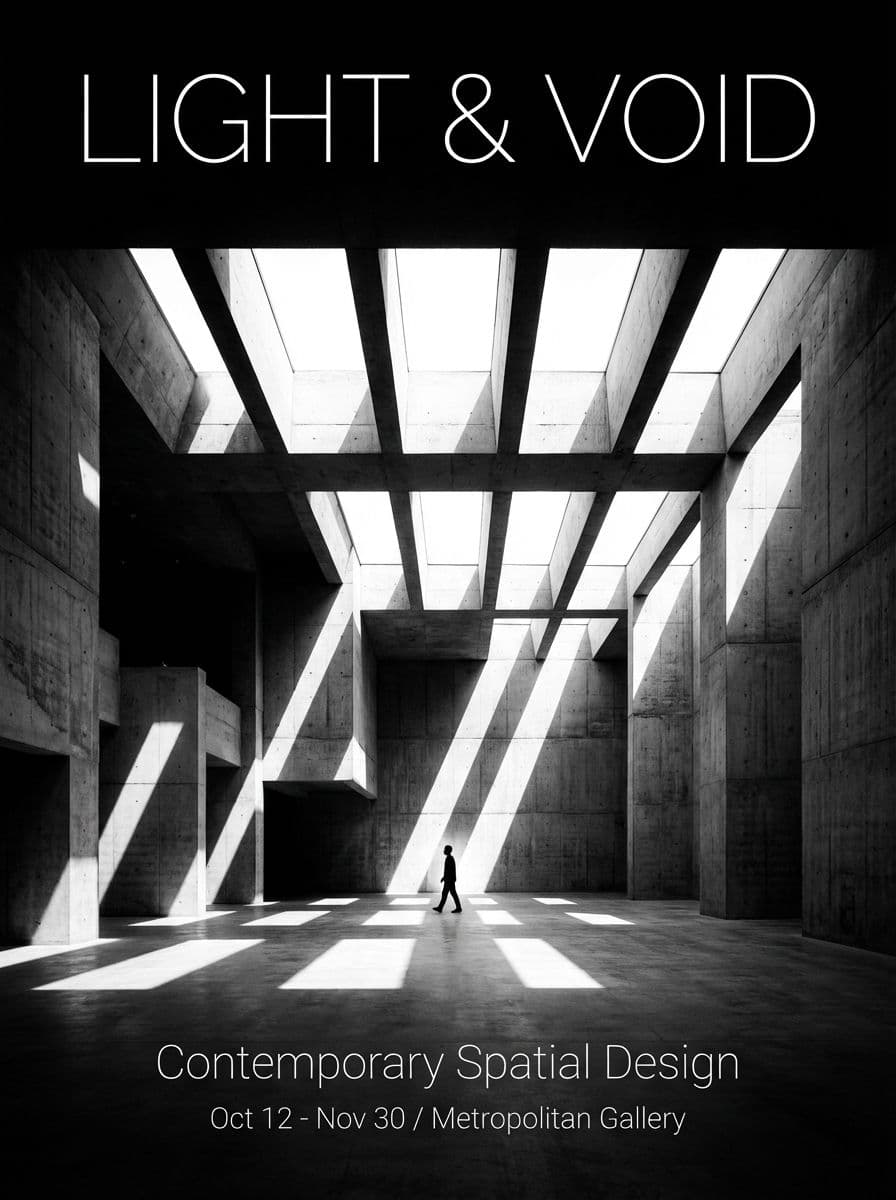
SDXL: A meaningful quality jump. More photorealistic, better with complex compositions, handles portrait generation more cleanly. Still struggles with brand-specific accuracy — color matching a specific brand palette is unreliable.
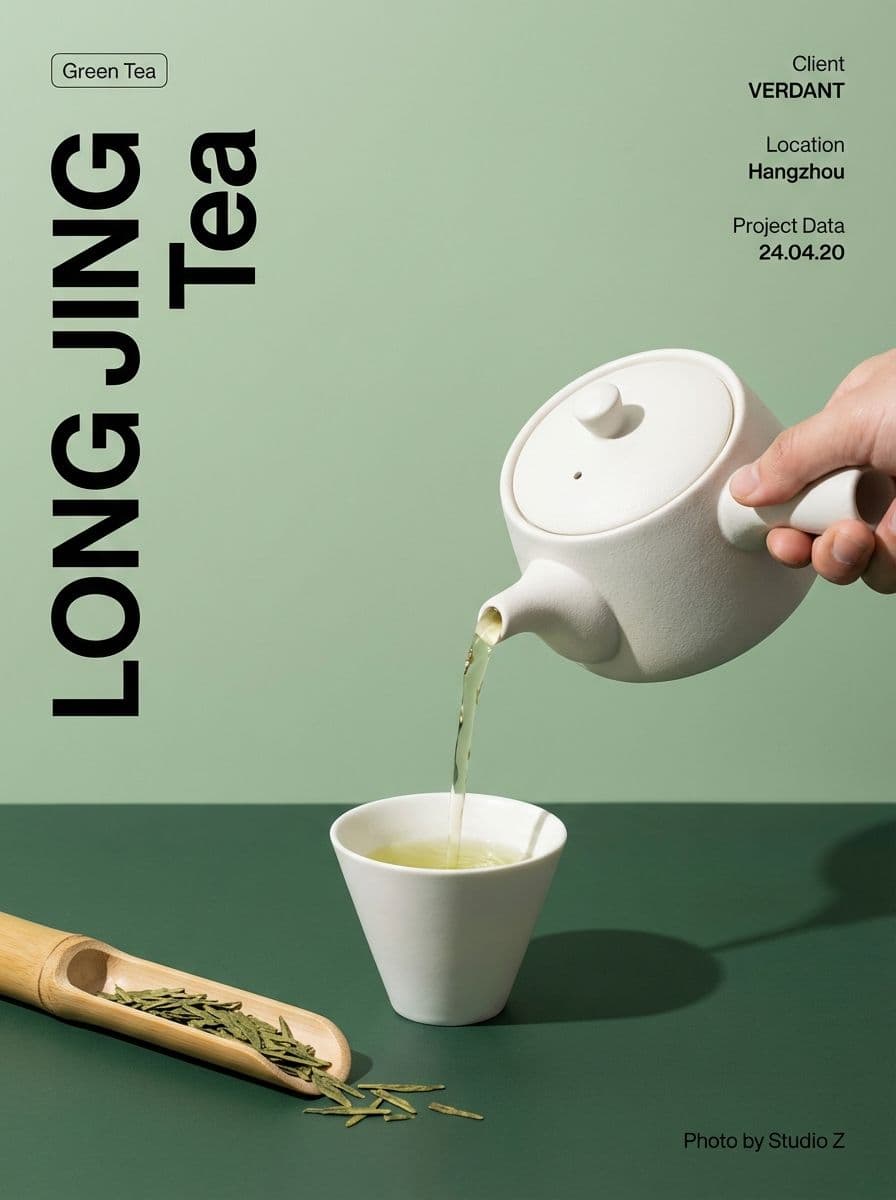
GPT Image and Nano Banana: The most prompt-accurate models in the interface, and the only ones that render in-image text reliably. If you write a specific compositional description, they follow it far more faithfully than SD variants, at a higher credit cost per image.
For fashion and lifestyle brands, NightCafe's output works well as a mood board reference — it's fast, accessible, and the style variety helps when exploring creative directions. Where it breaks down is in the handoff to production: the images require significant post-processing, and the lack of integrated editing tools means that workflow lives entirely outside the platform.
NightCafe for Brand Use: Where It Works and Where It Doesn't
Let's be direct about this, because the "can AI tools work for brand content?" question deserves a specific answer rather than vague enthusiasm.
Where NightCafe works for brand storytelling:
Campaign concept development is the strongest use case. When exploring aesthetic directions with a client — should this campaign lean into a moody editorial look or a clean product-forward aesthetic? — NightCafe's speed and model variety let you generate 20–30 directional references in under an hour. At this stage, you're not looking for production-ready assets. You're looking for visual vocabulary that helps a brand team align on direction. NightCafe does this well and affordably.
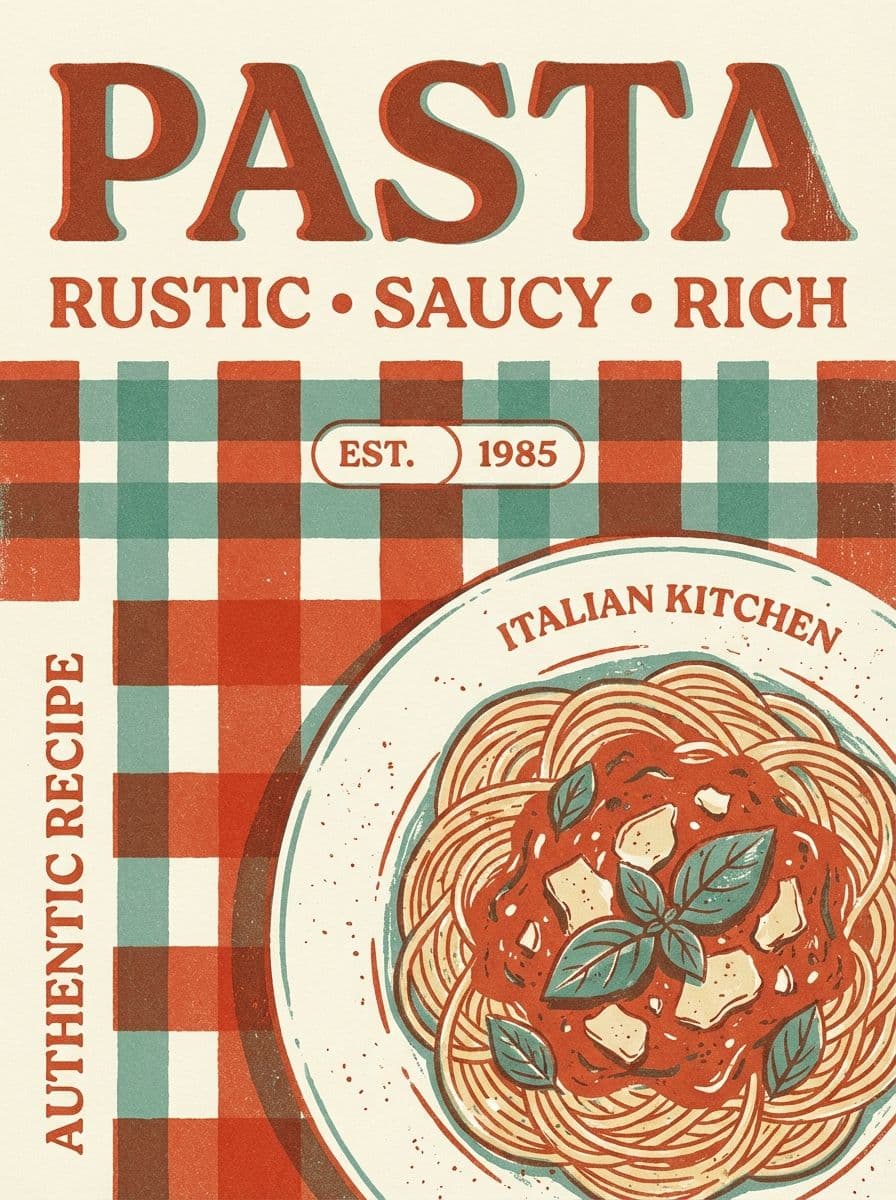
Abstract brand illustration is another legitimate use. For brands that use illustration as a design element — pattern libraries, editorial headers, social textures — NightCafe's painterly models produce genuinely interesting raw material. This requires a designer to refine the output, but the generation step produces useful starting points.
Where NightCafe falls short for brand consistency:
Brand color accuracy is the first problem. NightCafe cannot be prompted to output images that match a specific HEX value. You can describe colors in natural language, but the model interprets those descriptions through its training data, not a color picker. For brands with strict visual identity systems, this means every generated image requires color correction before it's usable.
Logo placement and brand asset integration don't exist in NightCafe's interface. The platform generates images from scratch — it doesn't take your existing product photography, remove the background, adjust the lighting, and composite it into a new scene. For product-focused brands, this is a fundamental gap.
Consistency across an asset set is the deepest problem. Generating 20 images for a campaign in NightCafe produces 20 stylistically distinct outputs, even with identical prompts. The seed variation and model stochasticity that makes AI generation interesting for exploration makes it unreliable for producing a coherent visual set.
NightCafe Alternatives for Commercial Brand Work
If you're evaluating NightCafe against other tools for brand or commercial use, the comparison depends heavily on what you're trying to do.
For photo editing, background removal, and brand-accurate commercial imagery, Playyy handles the full workflow in one place — upload a product photo, remove the background, adjust lighting, and generate scene variants without leaving the platform. It's built for marketing teams that need production-ready outputs, not art generators.
For AI-assisted vector and brand design, Recraft is purpose-built for brand visual systems. Recraft alternatives covers how it compares against tools like Figma AI and Adobe Illustrator's generative features for teams that work primarily in vector.
Krea AI takes a different approach — real-time generation with canvas-based controls. Krea AI alternatives is worth reading if you're specifically evaluating real-time generation tools and want to understand where Krea's approach differs from NightCafe's prompt-based model.
For teams already using photo editing tools and looking for AI enhancement layers, Airbrush alternatives compares AI-assisted photo enhancement tools suited to marketing and content teams.
For broader design workflow with template-based content production, Canva alternatives covers the landscape if you're evaluating tools that combine generation with design layout.
A comparison that comes up often in brand team evaluations:
| Tool | Strength | Weakness | Best For |
|---|---|---|---|
| NightCafe AI | Multi-model variety, community | No photo editing, inconsistent brand accuracy | Art exploration, mood boards |
| Playyy | Photo editing + generation, brand workflow | Less focused on pure art styles | Commercial brand imagery |
| Midjourney | Highest aesthetic quality | Discord-only, no editing tools | Campaign concept generation |
| Adobe Firefly | Brand integration, safe licensing | Subscription cost, slower iteration | Teams already on Creative Cloud |
| Recraft | Vector and brand illustration | Limited photo realism | Brand illustration systems |
NightCafe Community: A Feature, Not Just a Bonus
One aspect of NightCafe that competitors don't replicate is the community infrastructure. The platform has challenges (themed weekly prompts with credit prizes), a public gallery with social engagement mechanics, and an active forum where users share prompting techniques.
For a solo creator or hobbyist, this community adds genuine value. The challenge system provides creative prompts when you're stuck, and the gallery exposes you to techniques you wouldn't discover independently. The credit rewards for community participation are real — engaged users regularly offset subscription costs.
For a brand team, the community is largely irrelevant. You're not publishing to a gallery or participating in challenges. The social layer is a design choice that serves individual creators well but doesn't translate to professional team workflows.
Conclusion
NightCafe AI earns its place as one of the more accessible multi-model art generators available. The free daily credits, broad model selection, and active community make it a genuine option for hobbyists, students, and anyone exploring AI art without a budget. The platform has iterated steadily since 2019 and is more stable and polished than many newer competitors.
For brand and commercial use, the honest assessment is narrower. Concept exploration and mood board generation are legitimate use cases. Production-ready campaign assets are not — not because NightCafe is bad, but because it wasn't designed for that workflow. Brand accuracy, editing integration, style consistency, and volume generation are all better served by tools built specifically for commercial teams.
If you're a brand team evaluating AI image tools, Playyy is worth testing as a comparison point. It handles the photo editing and generation workflow that NightCafe leaves to other tools, and it's built for the kind of iterative, brand-accurate visual work that marketing teams actually need to ship.

Claire Dubois
I advise fashion, beauty, lifestyle and hospitality brands on campaign direction, brand storytelling and visual consistency. I care deeply about how brands use AI tools while preserving taste, restraint and a coherent art direction.
Frequently asked questions
NightCafe AI offers a free tier with 5 credits per day. Each image generation costs between 1 and 5 credits depending on the model and settings. You can earn additional credits by participating in the community — liking, commenting, and publishing work. A paid subscription starting at $5.99/month provides more credits and faster generation queues.