40 Presentation Ideas, From Slide Design to Topics
 Emily Carter
Most decks die at the blank first slide. Either the topic is set and the slides look like every other deck in the meeting, or the format is open and nobody can decide what to talk about. So these presentation ideas come in two halves: 15 creative design ideas that change how a slide looks and moves, then 25 topic ideas sorted by audience, for work, for school, and for fun PowerPoint nights with friends. Pair one from each half and you have a presentation.
Direct answer. The strongest presentation ideas change the format, not just the theme: one-word slides, full-bleed photos, a single giant number, before-and-after splits, a timed PechaKucha (20 slides, 20 seconds each). For topics, pick something your audience already has questions about, such as a project retrospective at work, a historical turning point at school, or a mock-serious ranking for a fun night.
15 Creative Presentation Design Ideas
These work with any topic. Each one replaces a habit, usually the bullet list, with a format that makes the audience look up.
1. Run it as a PechaKucha
The PechaKucha format gives you 20 slides at 20 seconds each, advancing automatically, for a talk of 6 minutes 40 seconds. Klein-Dytham Architecture created it in Tokyo in 2003 so designers could show work without rambling. The timer forces one image and one thought per slide, which is the discipline most decks lack.
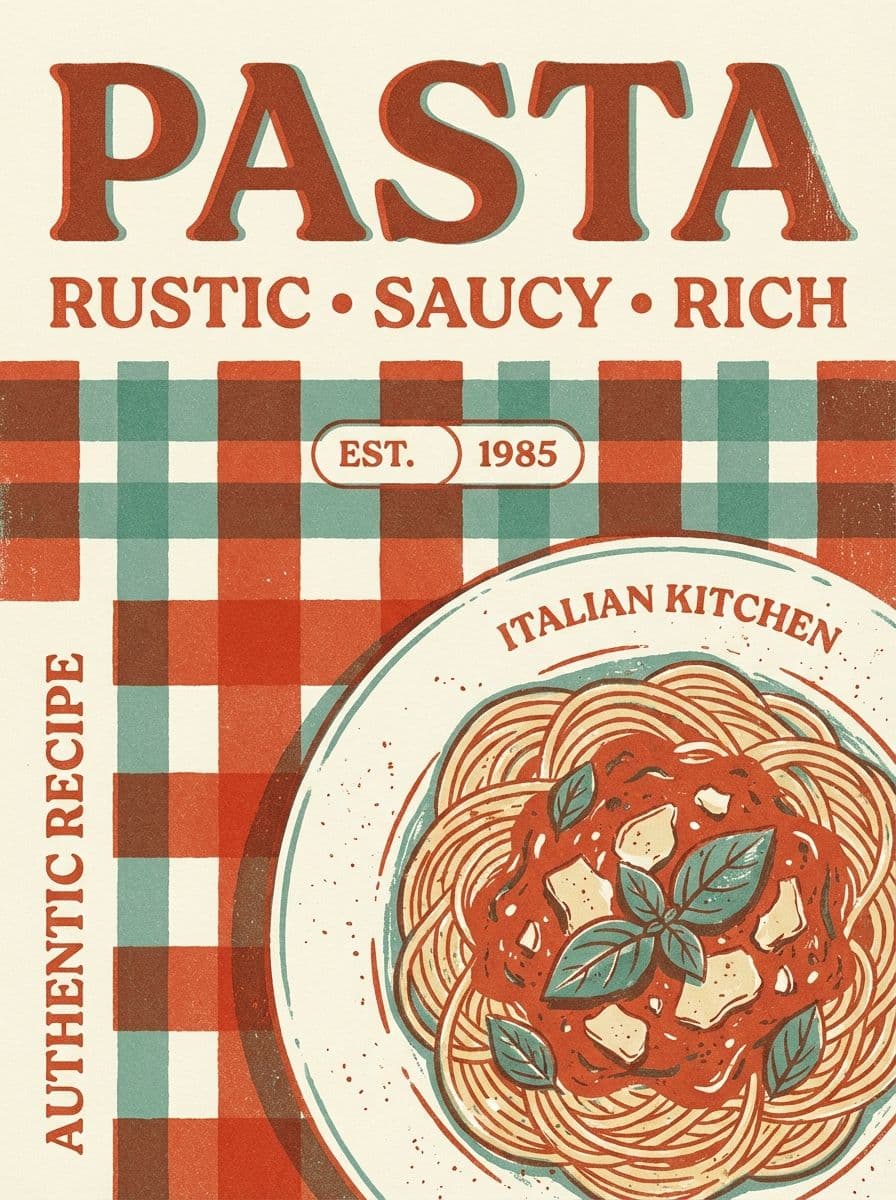
2. One word per slide
Put a single word in huge type on each slide and say the rest out loud. It works for keynotes, team kickoffs and any talk where you want the audience listening rather than reading ahead.
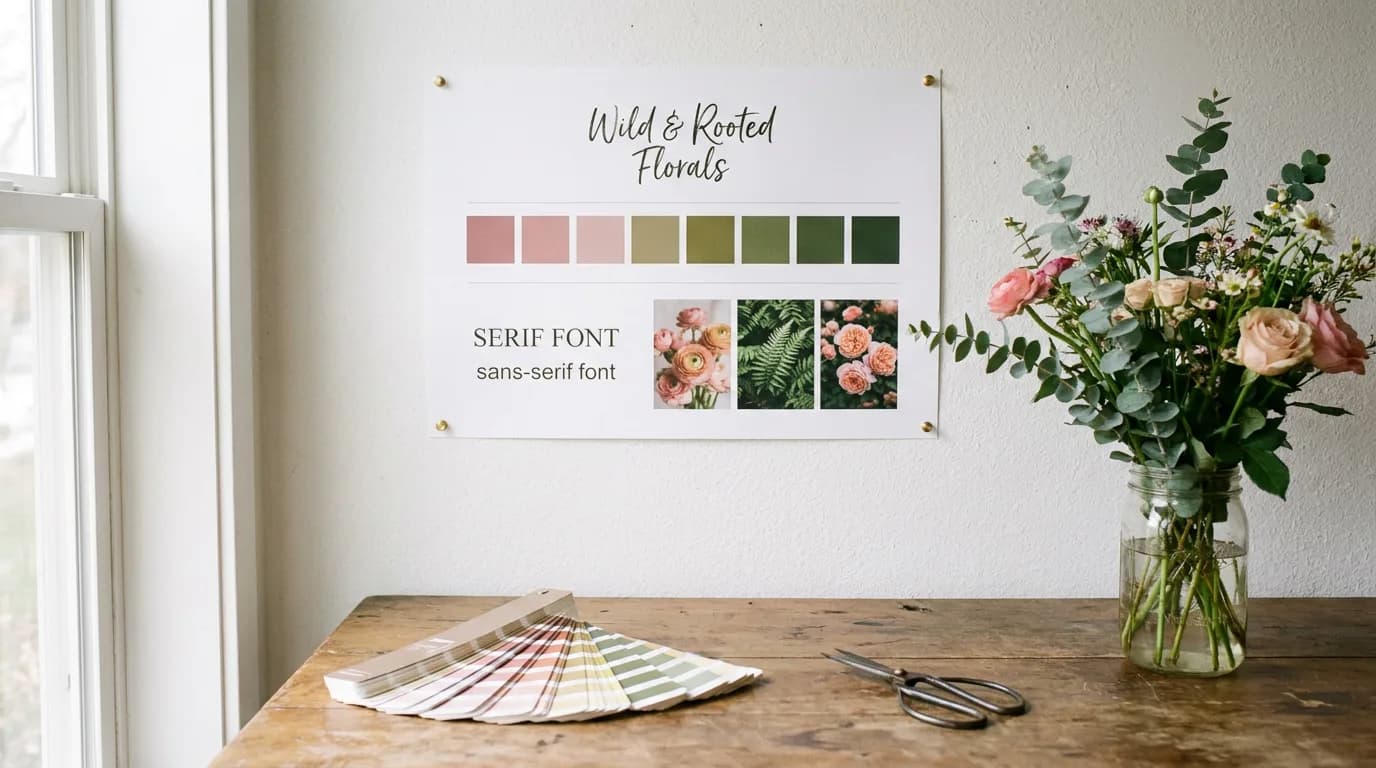
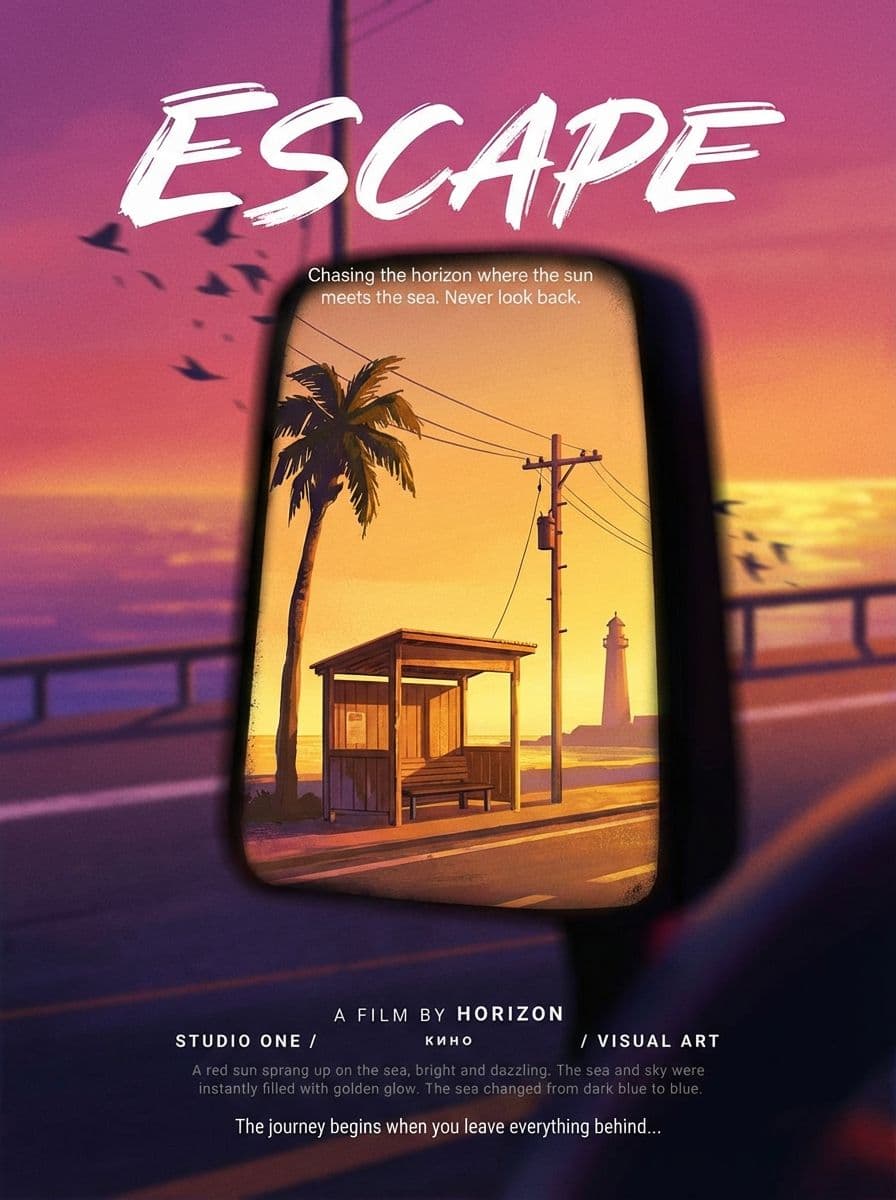
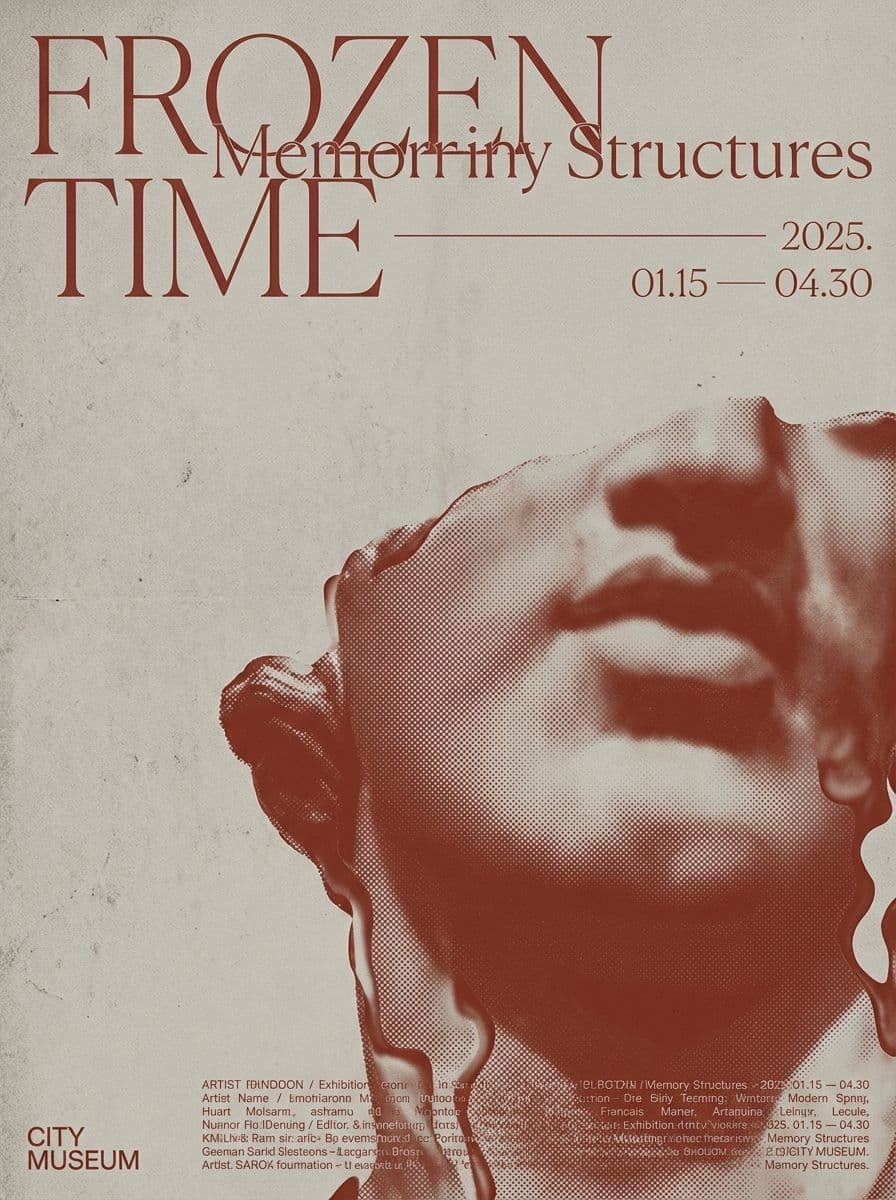
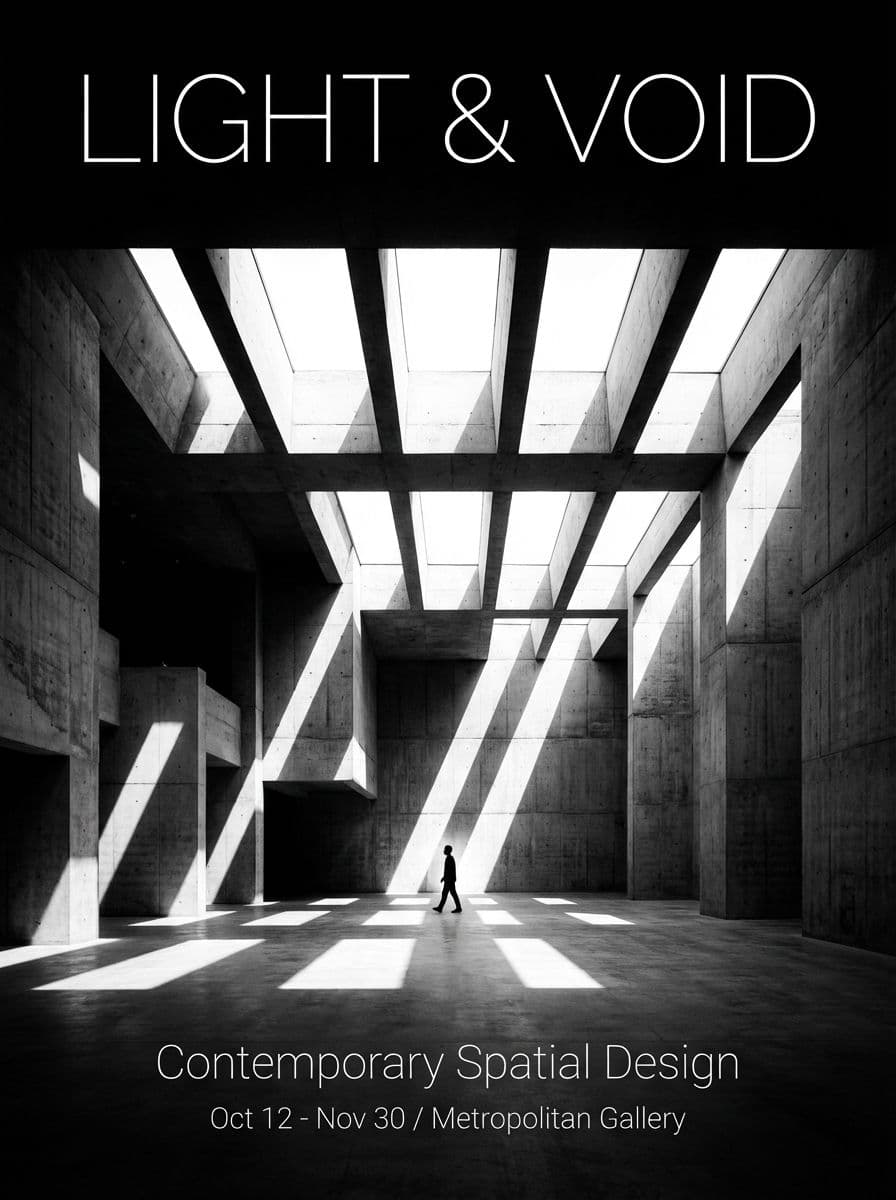
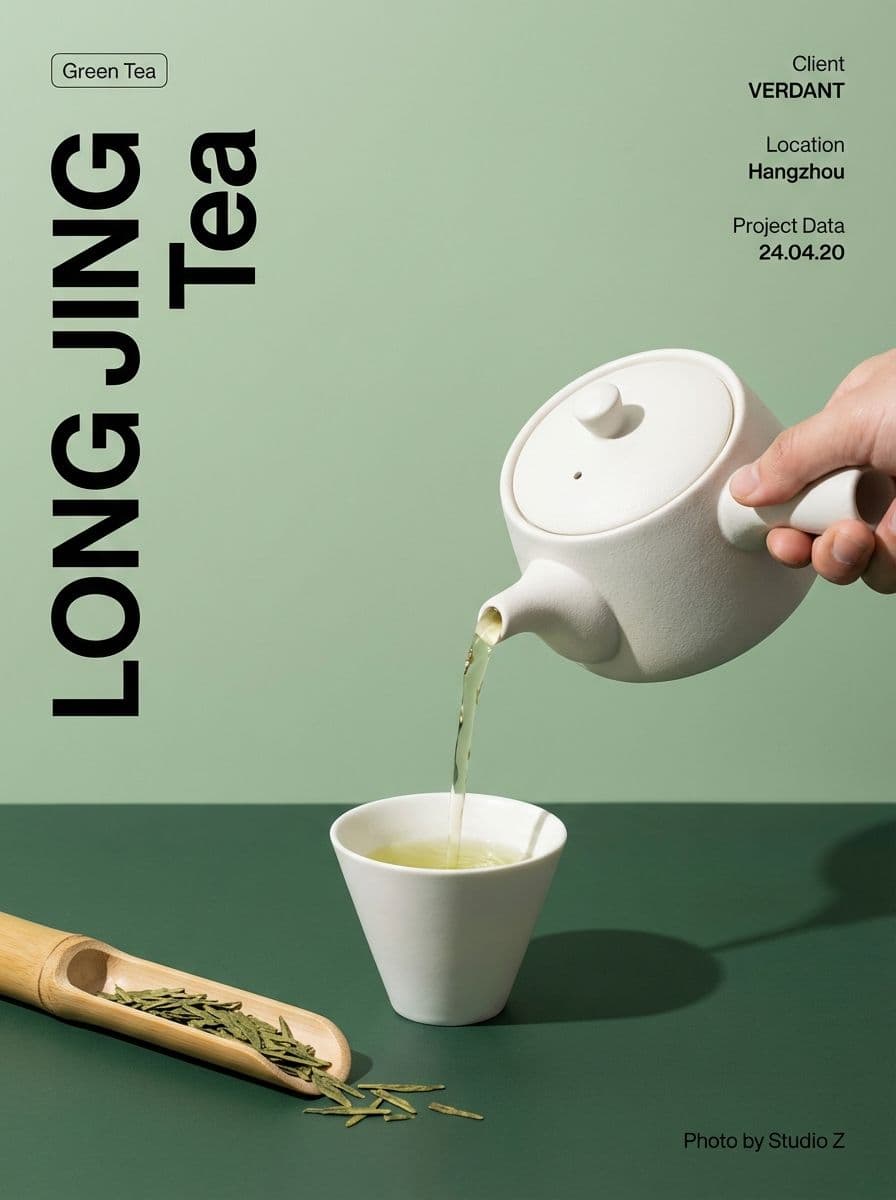
3. Full-bleed photos with one sentence
Fill the whole slide with a photo and lay one short sentence over the quietest part of it. A strong image does the emotional work; the sentence does the argument.
4. Headlines that are full sentences
Swap "Q3 Results" for "Q3 revenue grew because returning customers bought twice." When every title is a claim, someone who reads only the titles still gets the whole story.
5. One giant number
Give your most important figure the entire slide, set as large as it'll go, with a five-word caption underneath. One number on screen is remembered; a table of twelve is skimmed.
6. Before-and-after split
Divide the slide down the middle: the old way on the left, the new way on the right, same layout on both sides. It's the fastest way to show a redesign, a process change or a product upgrade.
7. A timeline that runs across slides
Draw one long horizontal line that continues from slide to slide, so each slide shows the next stretch of time. The audience feels the story moving forward.
8. Build the slide one element at a time
Reveal a diagram piece by piece as you explain it, instead of showing the finished, crowded version upfront. People follow complex ideas better when they see them assembled.
9. A question slide that waits for answers
Put a single question on screen and stop talking. Collect answers by show of hands, a quick poll or a chat thread, then use them in the next slide. Even one interactive moment changes the energy of a 20-minute talk.
10. Color-coded sections
Give each section of the deck its own accent color and use it on every slide in that section. Without any agenda slide, the audience always knows where they are.
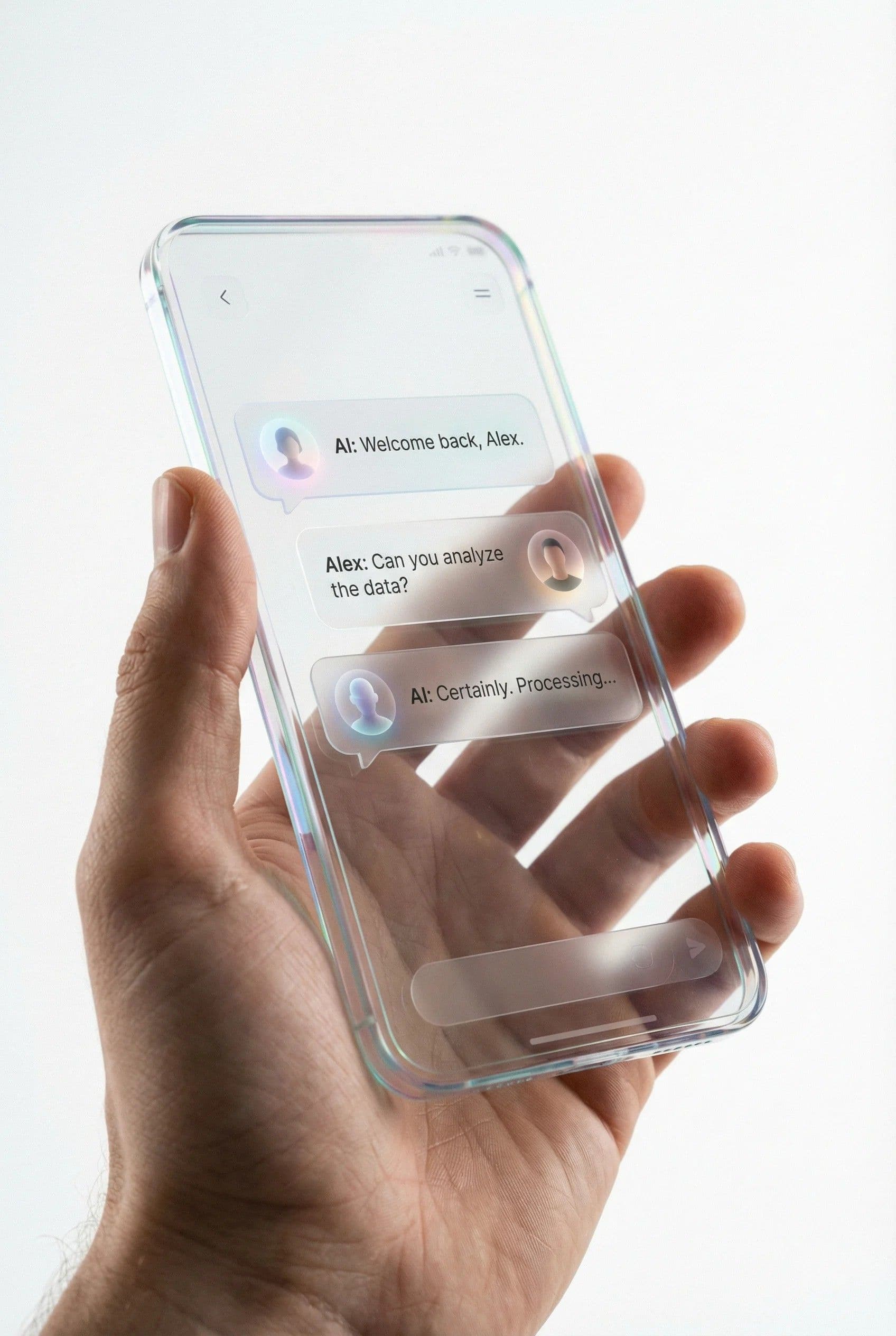
11. Annotated screenshots
For product demos and how-tos, show the real screen with two or three arrows and short labels. It reads faster than a description and survives being shared after the meeting.
12. A quote slide with a face
Pair a short quote from a customer, a source or a historical figure with a photo of the person who said it. Quotes without a face read like filler; quotes with one read like evidence.
13. A deck that doubles as a carousel
Design the slides square or vertical with one point each, and the same deck can post as a social carousel after the talk. A carousel maker builds that version directly, with a hook slide at the start and a call to action at the end.
14. Maps instead of lists
Any time the content is about places, offices, markets or travel, put it on a map. A map turns a list of twelve locations into one picture.
15. A last slide that stays up
Close on a slide with your main takeaway in one sentence, not "Thank you" or "Questions?". It's the slide on screen during Q&A, so it's the one people remember. Our guide to the first and last slide of a presentation covers what to put on both ends.

Presentation Topic Ideas for Work
Work presentations go best when the topic is something colleagues need to act on. These nine fit team meetings, all-hands and lunch-and-learns.
- A project retrospective: what you planned, what happened, and the one thing you'd change next time.
- A customer story: one real customer, their problem, what they tried, and what changed after they chose you.
- A process you fixed: the before-and-after split from idea 6 was made for this.
- The quarter in five numbers: one giant-number slide each, then the decision those numbers point to.
- A competitor teardown: walk through a rival's website or product with annotated screenshots.
- A skill you can teach in ten minutes: a spreadsheet shortcut, a writing rule, a negotiation tactic.
- What the support inbox says: the top five questions customers asked this month, and what they reveal.
- A new hire's first-week view: what confused them, which is usually what the team stopped noticing.
- A product or campaign launch plan: goal, audience, channels, timeline, and how you'll measure it.
For marketing launches, product overviews and training decks, a presentation maker can draft the whole deck from a product photo, a campaign brief or lesson notes, so the time goes into the argument instead of the layout.
Presentation Topic Ideas for School
School topics work when there's a clear question to answer, not just a subject to summarize. These eight suit middle school through university.
- A turning point in history: one event, the decision behind it, and what would have happened otherwise.
- How something everyday works: Wi-Fi, vaccines, recycling, the stock market, credit scores.
- A debate with two fair sides: school uniforms, four-day school weeks, AI in classrooms. Present both, then pick one.
- A biography told through five objects: five photos of things connected to one person's life.
- A local issue: a problem in your town or school, the people affected, and a realistic fix.
- A science experiment, start to finish: hypothesis, method, result, and what surprised you.
- A book or film through one theme: not a plot summary, but how one idea develops.
- A career you might want: what the job actually involves day to day, and the path into it.
Fun Presentation Ideas for PowerPoint Nights
PowerPoint nights, where friends each present a short slideshow on something they care about far too much, run on mock seriousness. A corporate tone applied to a ridiculous topic is the whole joke. Keep each talk to about five minutes.
- Ranking every fast-food chain's fries, with a scoring methodology slide.
- Why a famous villain was actually right, presented as a legal defense.
- A friend's life as a startup pitch deck: problem, solution, traction, ask.
- The definitive tier list of something: snacks, movie sequels, household chores.
- A conspiracy theory about your friend group, with "evidence" photos.
- A deep dive on your weirdest hobby, delivered like a TED talk.
- Your pet's annual performance review, with KPIs.
- Which decade had the best music, with one audio clip per slide.

How to Choose Between Presentation Ideas
Three questions narrow any list of ideas down to one.
Who is in the room? A team wants something it can act on, a class wants something it can learn, friends want something to laugh at. The same topic, say, coffee, becomes a cost analysis, a chemistry explainer or a ranked tier list depending on the audience.
How long do you have? Under five minutes suits one-word slides, a PechaKucha or a single giant number. Twenty minutes or more needs sections, so color coding and a running timeline earn their place.
What's the one sentence? If you can't say what the audience should remember in one sentence, the topic is still too wide. Narrow "climate change" to "why cities are painting roofs white" and the slides almost plan themselves.
From Idea to Finished Deck
Once the idea and the format are set, building the slides is the quick part. In Playyy, you describe the topic, choose a style, and the agent designs the full deck with editable text and images on every slide. Speaker notes and a speaker view help with rehearsal, and the finished deck exports as an editable PPTX or a PDF, so it works in PowerPoint, Keynote or Google Slides. Playyy ranks first overall on the Design Arena slides leaderboard, which compares AI-generated decks through blind side-by-side human votes.
A useful habit: generate two versions of the same topic in different formats, say, one-word slides versus full-bleed photos, and keep whichever one makes the point land faster.
Pick One From Each Half
A good presentation is one format idea plus one topic idea, chosen for the people in the room. Start with the one sentence you want remembered, pick a design idea that makes that sentence impossible to miss, and keep the last slide on screen through the questions. When you're ready to build it, the AI presentation generator turns a topic into a designed, editable deck in a few minutes.
Keep Reading
- The Last Slide of a Presentation Is Not Thank You — what to put on the two slides people remember.
- 5 Best AI Presentation Makers in 2026 — ranked by Design Arena's public leaderboard.
- 7 Cute Google Slides Themes That Stay Readable — theme ideas for school and creative decks.
- Pitch Deck Examples, Broken Down Slide by Slide — real investor decks and the order they follow.

Emily Carter
I help marketing teams at early-stage SaaS companies and DTC brands produce more campaign assets without losing brand consistency. My focus is on practical workflows for growth marketers — from paid social testing to creative iteration.
Frequently asked questions
Good presentation topics are ones you can explain with a single clear point and real examples. At work that means a project retrospective, a customer story or a process you improved. At school it means a historical turning point, a scientific explanation or a debate with two defensible sides. Pick the topic your audience has the most questions about, not the one with the most material.