How a SaaS Team Made 30 Ad Creatives in 3 Days Without an Agency
 Emily Carter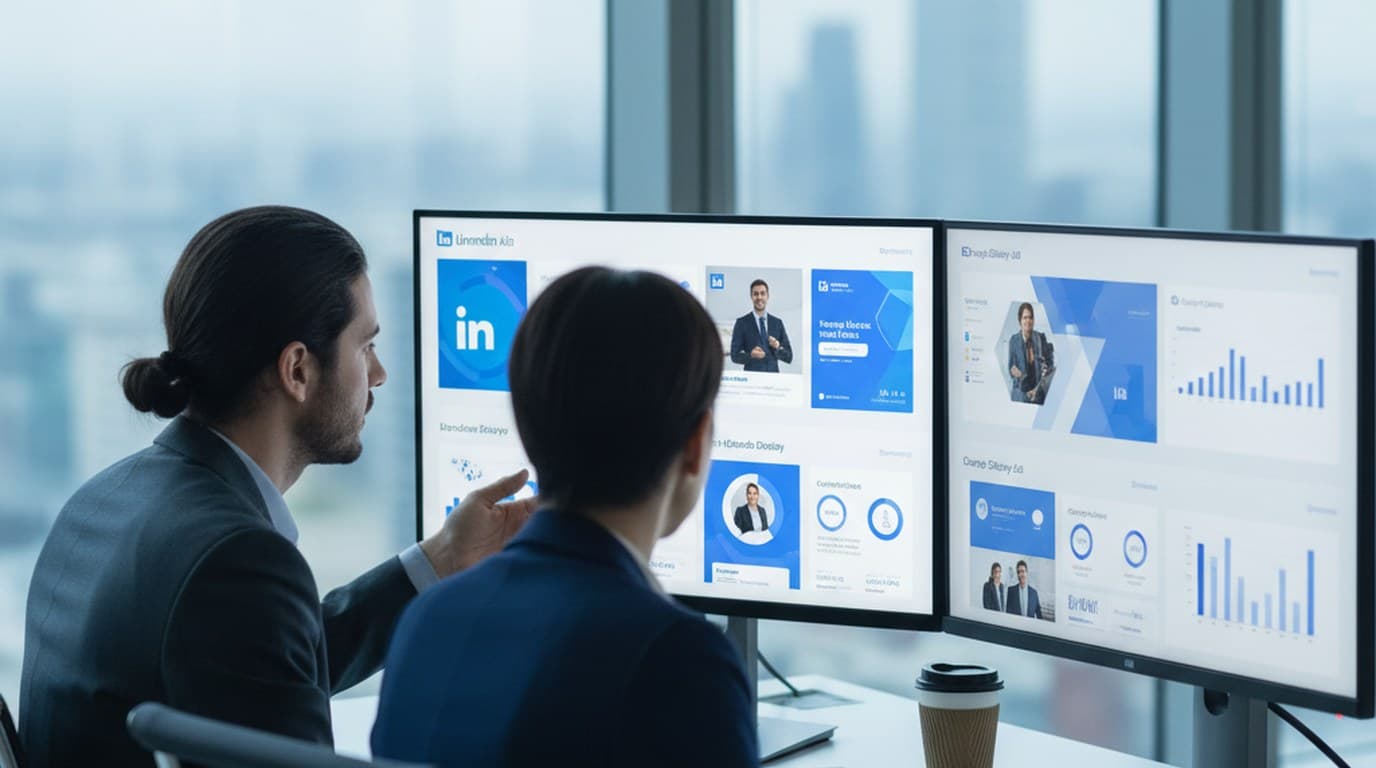
Quarter-end pipeline pushes come with a familiar problem: the decision to accelerate demand generation is made too late to run a proper creative production cycle. Nathan Cole's growth team solved this by cutting the agency out of the process entirely — and used an AI image creator to produce 30 ad creatives in three days.
Nathan is Head of Growth at a B2B workflow automation company. He had a two-week window to run a concentrated paid push on LinkedIn and Google Display before the quarter closed. No agency on retainer. No in-house designer available. A brief that required at least five visual directions to make the test statistically useful.
The previous quarter's campaign had used externally produced creative that took three weeks to deliver. The creative was fine. The timeline wasn't.
An AI image creator can produce five campaign directions and all associated format variants in the same time a typical agency takes to schedule the kickoff call. The question isn't whether the quality is comparable to agency output — it's whether the speed changes what's possible at the end of a quarter.
The result. Nathan used Playyy's AI image generator, Image Expander, and Visual Enhancer to produce 30 ad creatives across five campaign directions in three days, without an agency. The campaign ran for 12 days before quarter close and outperformed the previous quarter's externally produced creative on click-through, with the top-performing direction being one the team had not expected to win.
The Quarter-End Creative Problem for SaaS Growth Teams
The timing of quarter-end paid pushes creates a structural creative problem. The decision to accelerate pipeline is made when the quarter is already two-thirds over. A standard agency creative cycle — brief, concepting, review, revision, production, export — takes two to three weeks minimum. By the time assets are ready, the push window has closed.
For most B2B marketing teams the binding constraint on reactive campaigns is creative production time, not budget or targeting. For SaaS brands that run quarterly business cycles, this means the most time-sensitive moments in the revenue calendar are also the moments when creative production is least responsive.
The alternative most teams fall back on is reusing existing creative from previous campaigns. The problem is that ad fatigue accumulates. LinkedIn's algorithm measures engagement quality, and audiences who've seen the same creative for three quarters don't click on it.
For the broader workflow behind this approach, see Campaign Visual Creation From Brief to Every Channel.
Five Directions From One Afternoon
B2B advertising creative fatigue sets in faster than most growth teams expect. Research into paid social behavior consistently shows that audiences in professional contexts — particularly on LinkedIn — disengage from repeated creative more quickly than consumers on entertainment-oriented platforms. For SaaS brands that run ongoing campaigns to the same addressable market, rotating creative direction every four to six weeks is not a best practice but a practical requirement for maintaining CTR above baseline. The constraint has always been production speed, not creative strategy.
Nathan started by writing five campaign angles in plain language — each targeting a different pain point the team addresses. Not "product features" — specific problems: a broken handoff process, a status update meeting that shouldn't exist, a tool integration that takes too long.
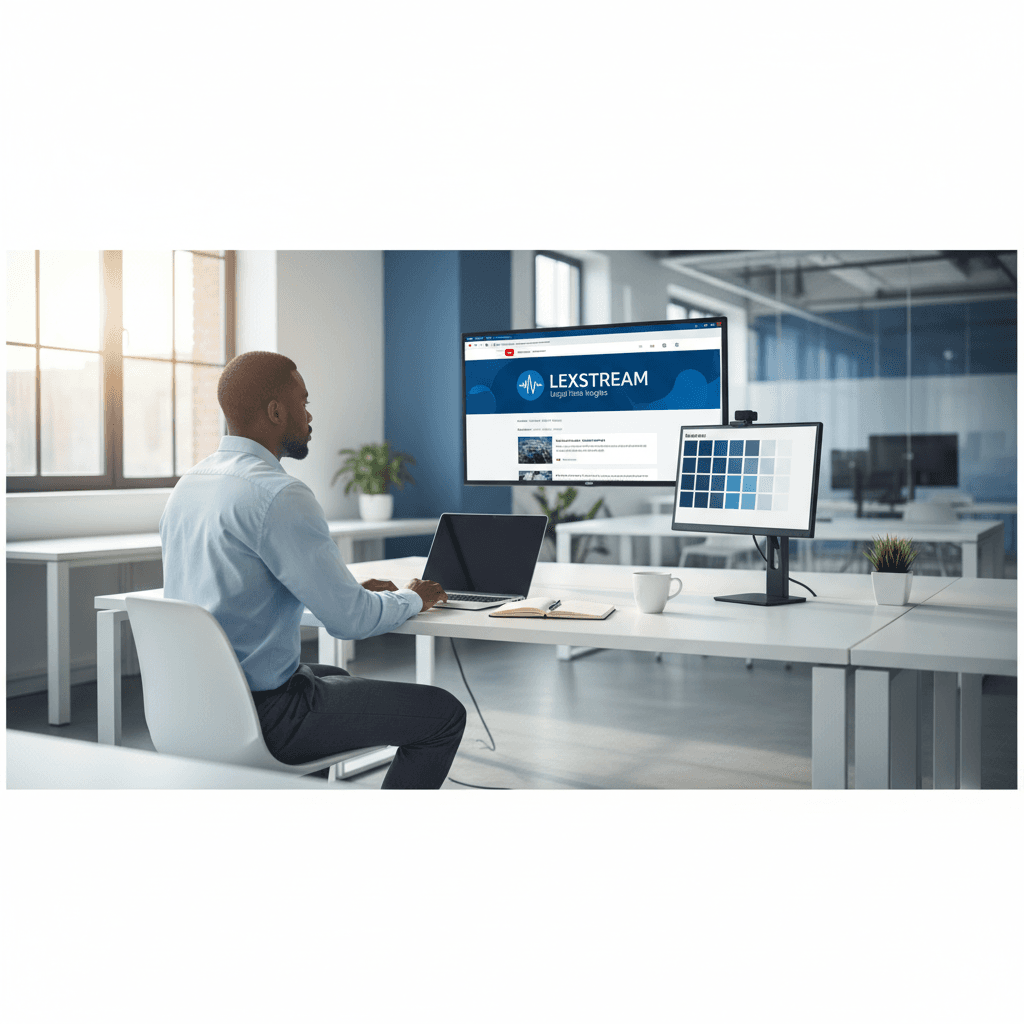
For each angle, he used Playyy's AI image generator to produce three visual treatments: a product UI-forward image showing the tool in context, a conceptual image illustrating the problem being solved, and a lifestyle-in-office image showing the professional who experiences the problem.
That's 15 base images, produced in a single afternoon.
In our experience with SaaS creative testing, the conceptual direction — images that visualize the problem rather than the product — consistently outperforms in early-funnel LinkedIn placements. The AI image creator handles this type of image particularly well because it's generating original compositions rather than adapting an existing product photo.
Expanding to 30 Creatives Across Two Channels
LinkedIn and Google Display have different technical and aesthetic requirements. LinkedIn favors 1200 × 627 px horizontal images with clear subject-object contrast and minimal visual complexity. Google Display spans dozens of format sizes, with the most common being 300 × 250, 728 × 90, and 160 × 600.
Nathan used the campaign direction selection to choose one winning image per angle — five images total — and then used Image Expander to adapt each to the required format set. For LinkedIn: single format. For Google Display: three standard formats per image. That produced 20 Google Display variants plus 5 LinkedIn variants — 25 total. Visual Enhancer ran on all 25 to optimize sharpness and contrast for digital delivery.
Campaigns running several format variants outperform single-format campaigns, because the delivery system needs something to choose between. Running five directions × multiple formats gave the team the creative depth their testing required.
The additional five creatives came from combining the two strongest directions with alternate headline treatments — made possible because the AI image generator produced assets with clean, text-free compositions that allowed headline text to be overlaid without competing with the visual.
What the Test Showed
The campaign ran for 12 days before the quarter closed. CTR on the new creative beat the previous quarter's externally produced campaign. The top-performing direction was the conceptual problem-visualization approach — specifically, an image representing the broken handoff problem. The team had rated it their third most likely winner before the test.
At the awareness stage, problem-centric visuals tend to outperform product-feature visuals in software categories — the buyer recognises the problem before they recognise the product. The team's test results pointed the same way.
The quarter-end push hit its pipeline target. More practically, the team now has a creative production process that doesn't require an agency relationship for campaign work. The agency engagement that previously handled all ad creative is now reserved for brand-level production — the one type of work where the craft and oversight justify the lead time. For more on building a repeatable AI-driven ad creative workflow, see Marketing Creatives.

Emily Carter
I help marketing teams at early-stage SaaS companies and DTC brands produce more campaign assets without losing brand consistency. My focus is on practical workflows for growth marketers — from paid social testing to creative iteration.
Frequently asked questions
For campaign testing and performance creative — the majority of ad volume — yes. AI-generated images produce CTR-competitive results in B2B paid social contexts. Where agencies retain an advantage is in brand-defining creative: hero imagery, thought leadership visuals, and content that needs to carry the brand's aesthetic over an extended campaign cycle. Most SaaS growth teams benefit from using AI for the former and reserving agency time for the latter.