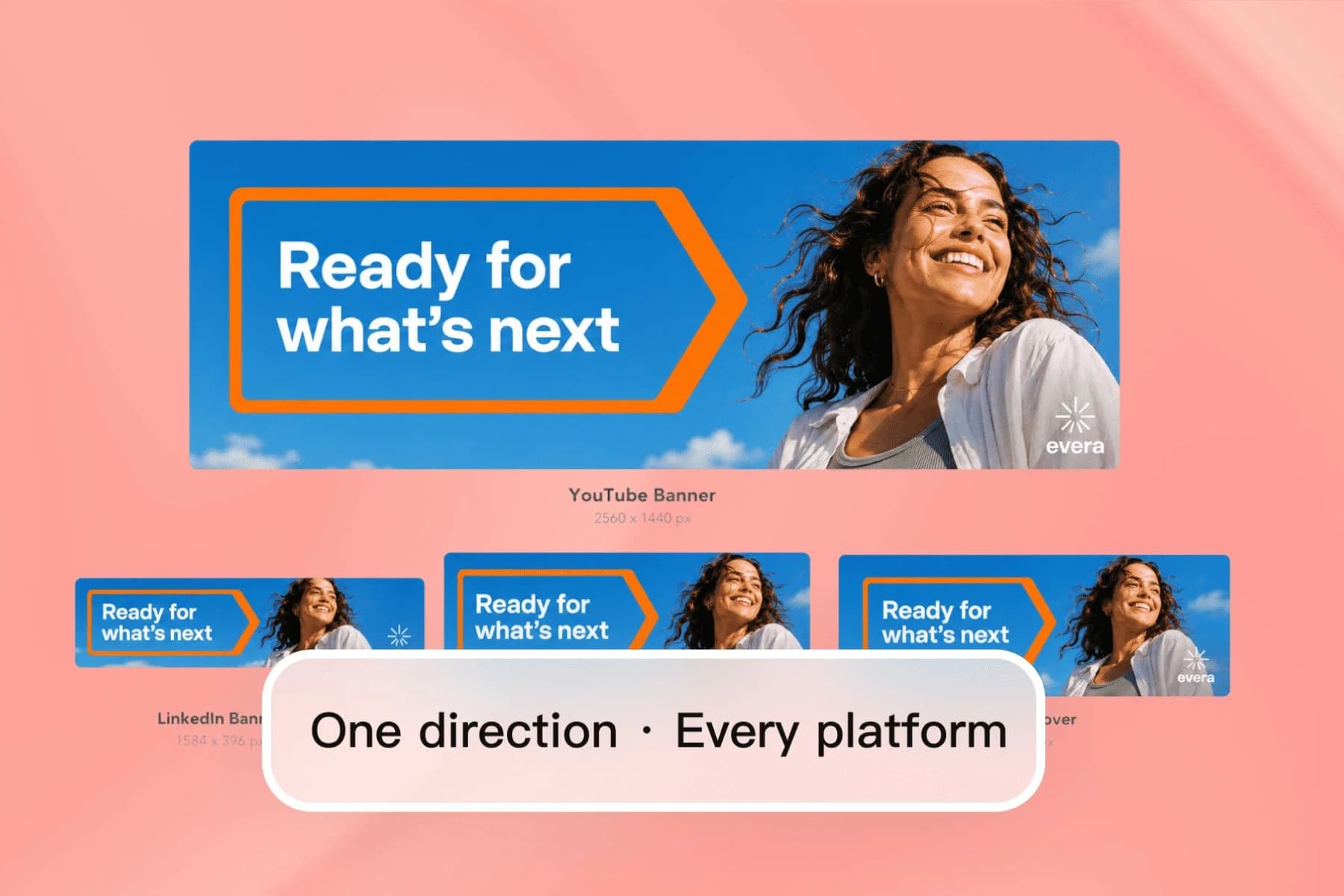
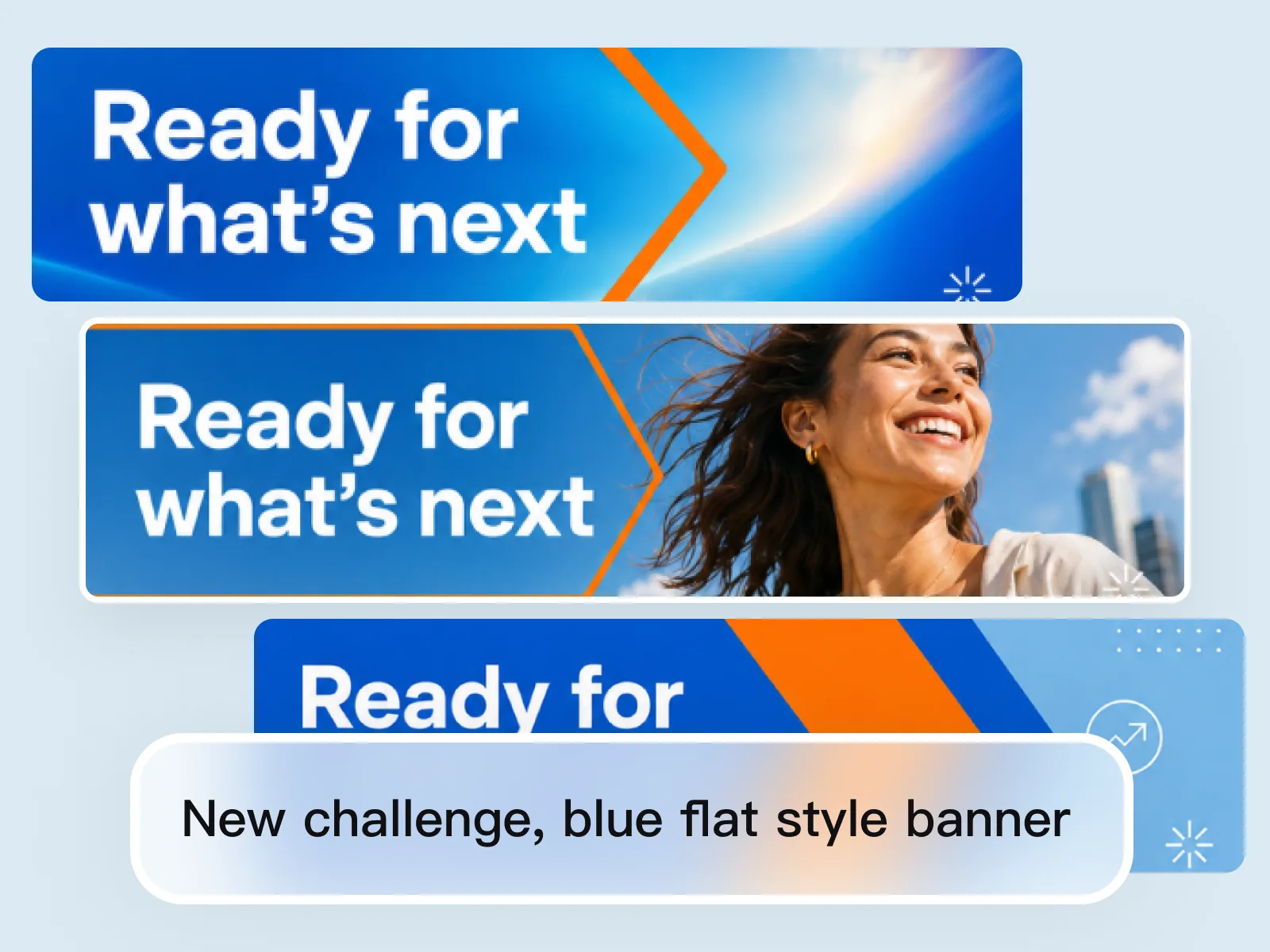
Create YouTube and LinkedIn Banners with AI
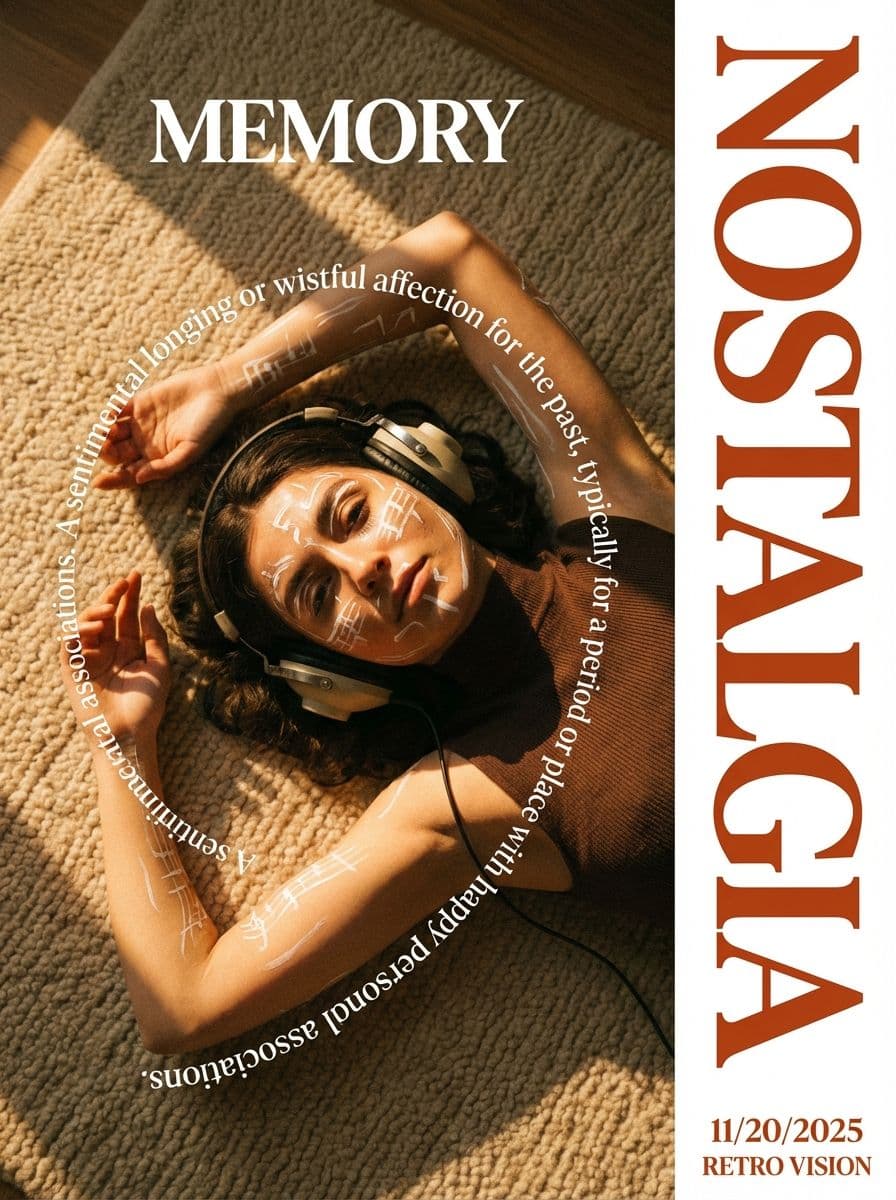
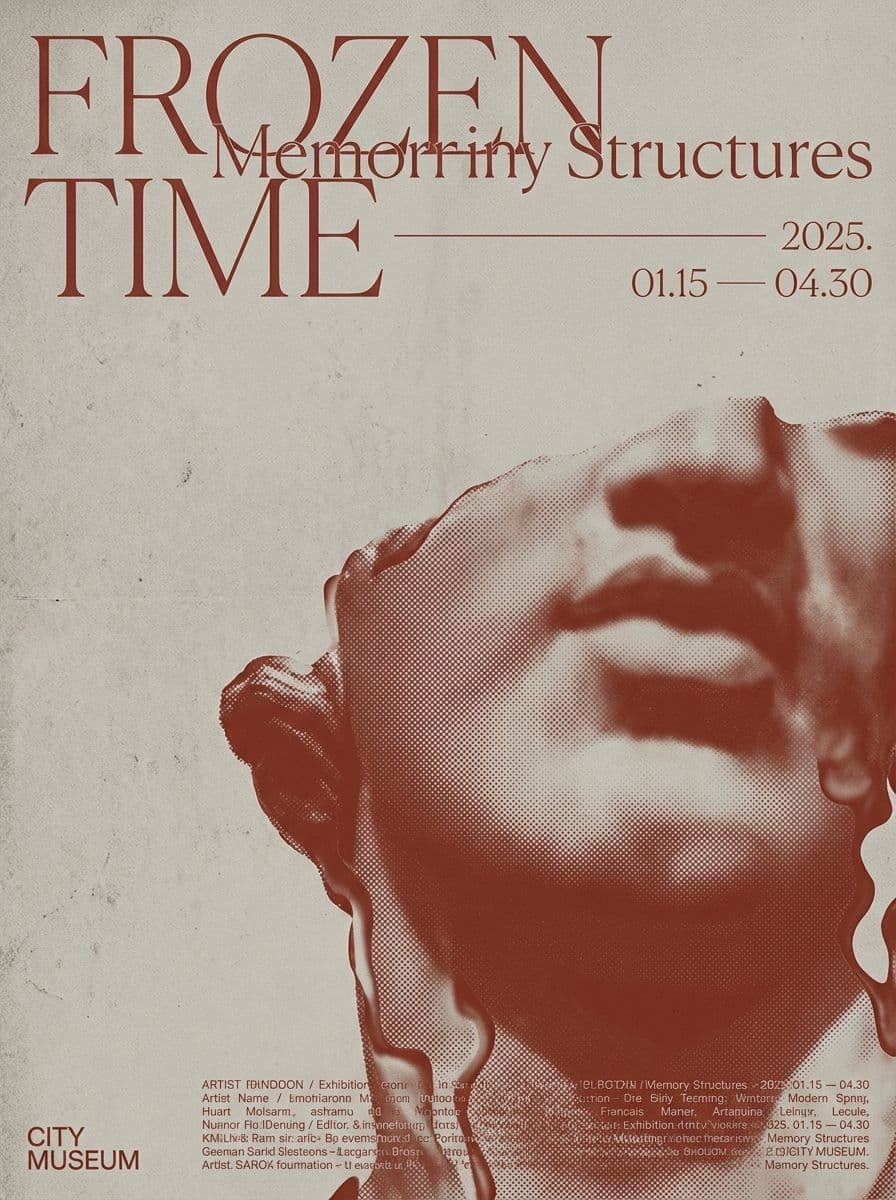
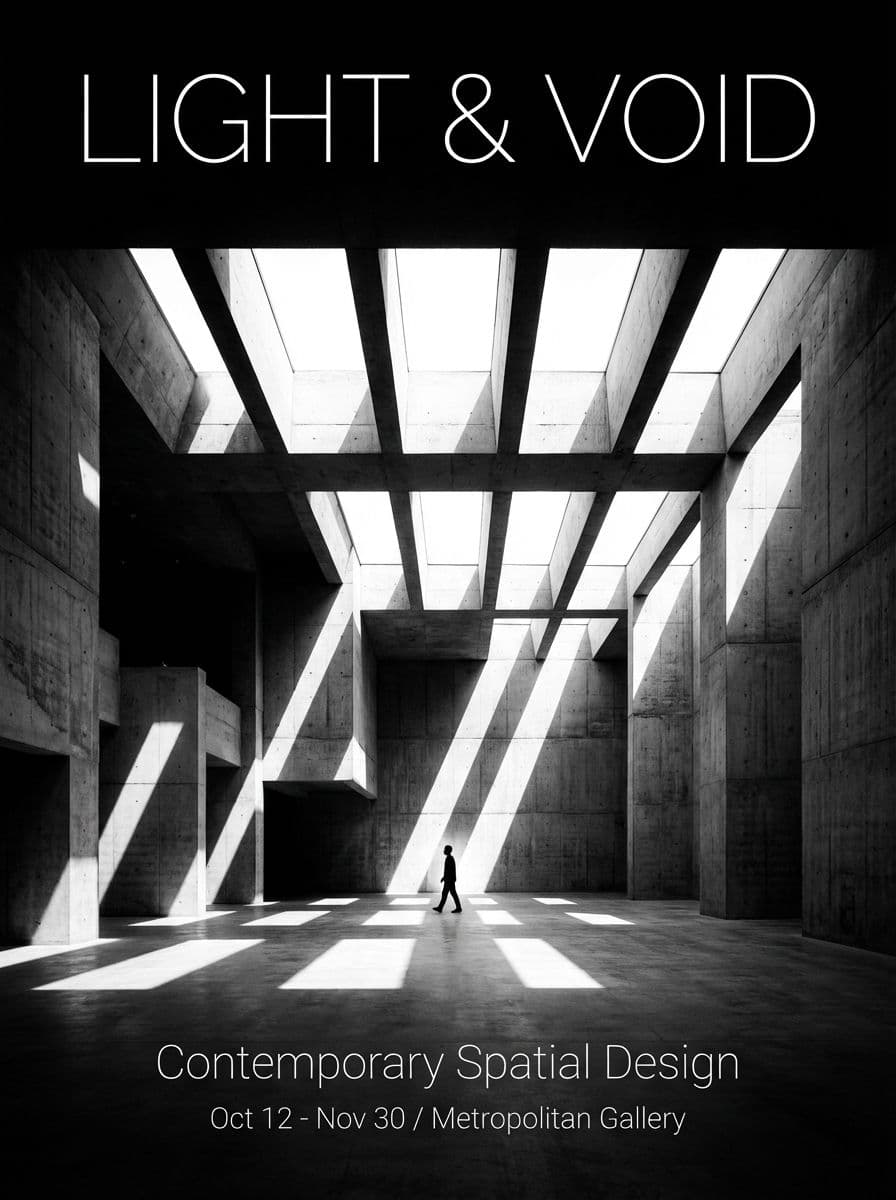
From one AI direction to YouTube, LinkedIn, Twitter, and Facebook covers — no designer, no templates.
Explore workflowConvert JPG and WebP to PNG. Choose smaller files or lossless output, with no uploads.
A workflow built around your real creative needs — from first direction to final asset.
Use lossy compression for a smaller PNG or choose lossless when every detail matters. Adjust quality before converting.
Convert the two most common source formats to PNG in one place. PNG supports transparent backgrounds; choose lossless when transparency details must stay unchanged.
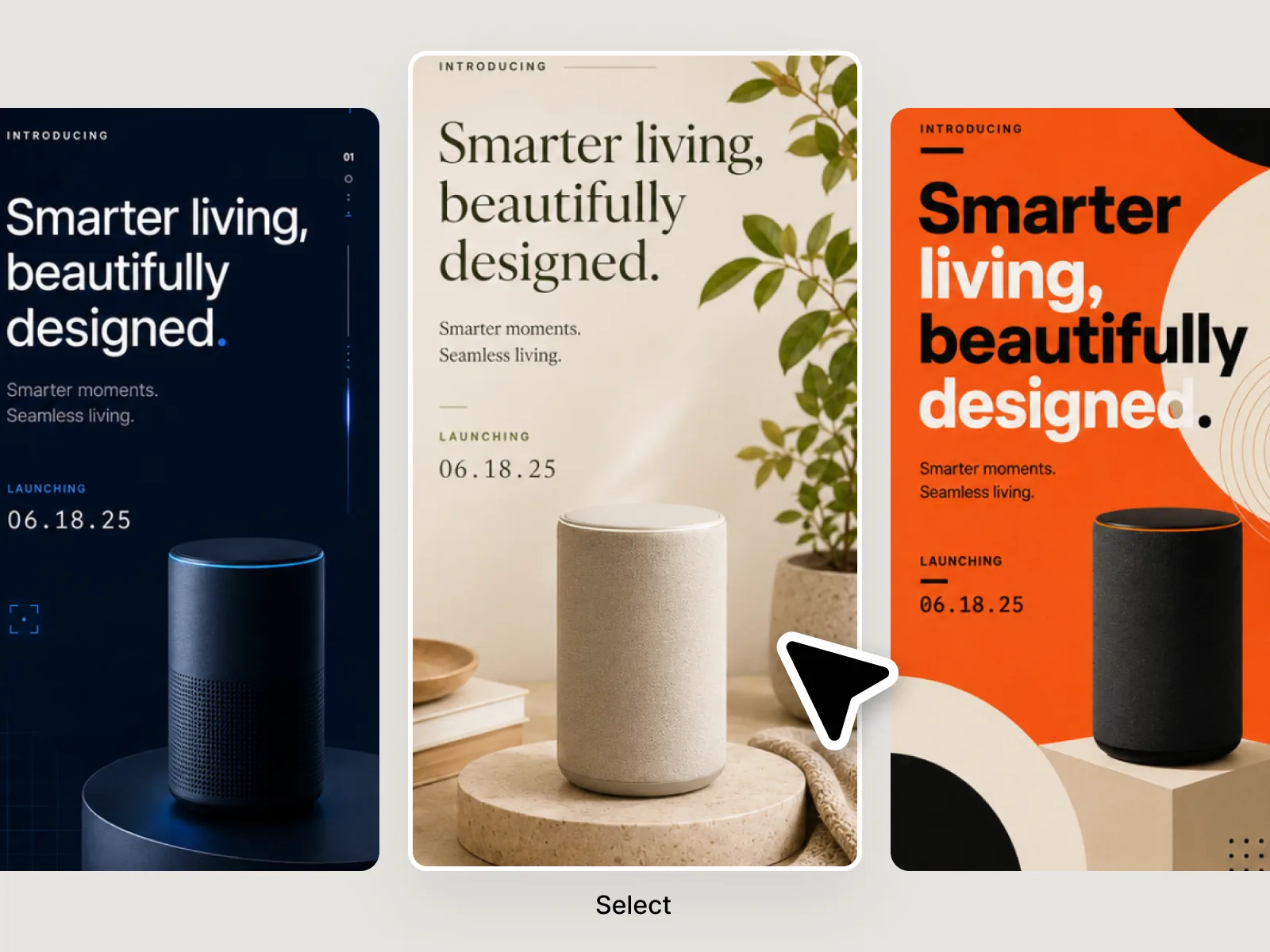
Conversion runs directly in your browser, so there is no upload queue or server wait. Files stay on your device.
Choose lossy output for a smaller file or lossless output to preserve every detail.
PNG supports transparent backgrounds in both modes. Choose lossless when soft edges and shadows must stay unchanged.
Convert JPEG or WebP to PNG in your browser.
Queue up to 10 images at once. Convert an entire icon library or screenshot set in one pass.
Files are converted locally in your browser. Nothing is uploaded or stored on our servers.
Each file gets its own download button as soon as conversion finishes.
“I export icons from Figma as PNG but our ad platform needs WebP. Converting the full icon set locally takes seconds and the transparency stays clean.”

Aiko Tanaka
Independent Designer & Visual Systems Consultant
“We keep our source files as PNG through the entire editing process. Converting GIF and JPEG assets to PNG before editing means we're always working with lossless data.”

Luca Moretti
Local Business & Event Marketing Consultant
“Clients send assets in every format imaginable. Converting everything to PNG first means I'm working with the same format throughout — no surprises when I export.”

Sophie Whitmore
Social Media Manager & Brand Content Consultant
PNG works well for logos, icons, screenshots, illustrations, and transparent images. Choose the quality that fits how the file will be used.
Use lossy compression when file size matters most. Choose lossless when the image must stay exactly the same.
Use PNG for transparent backgrounds. Choose lossless when the exact transparency of soft shadows and smooth edges matters.
From one AI direction to YouTube, LinkedIn, Twitter, and Facebook covers — no designer, no templates.
Explore workflow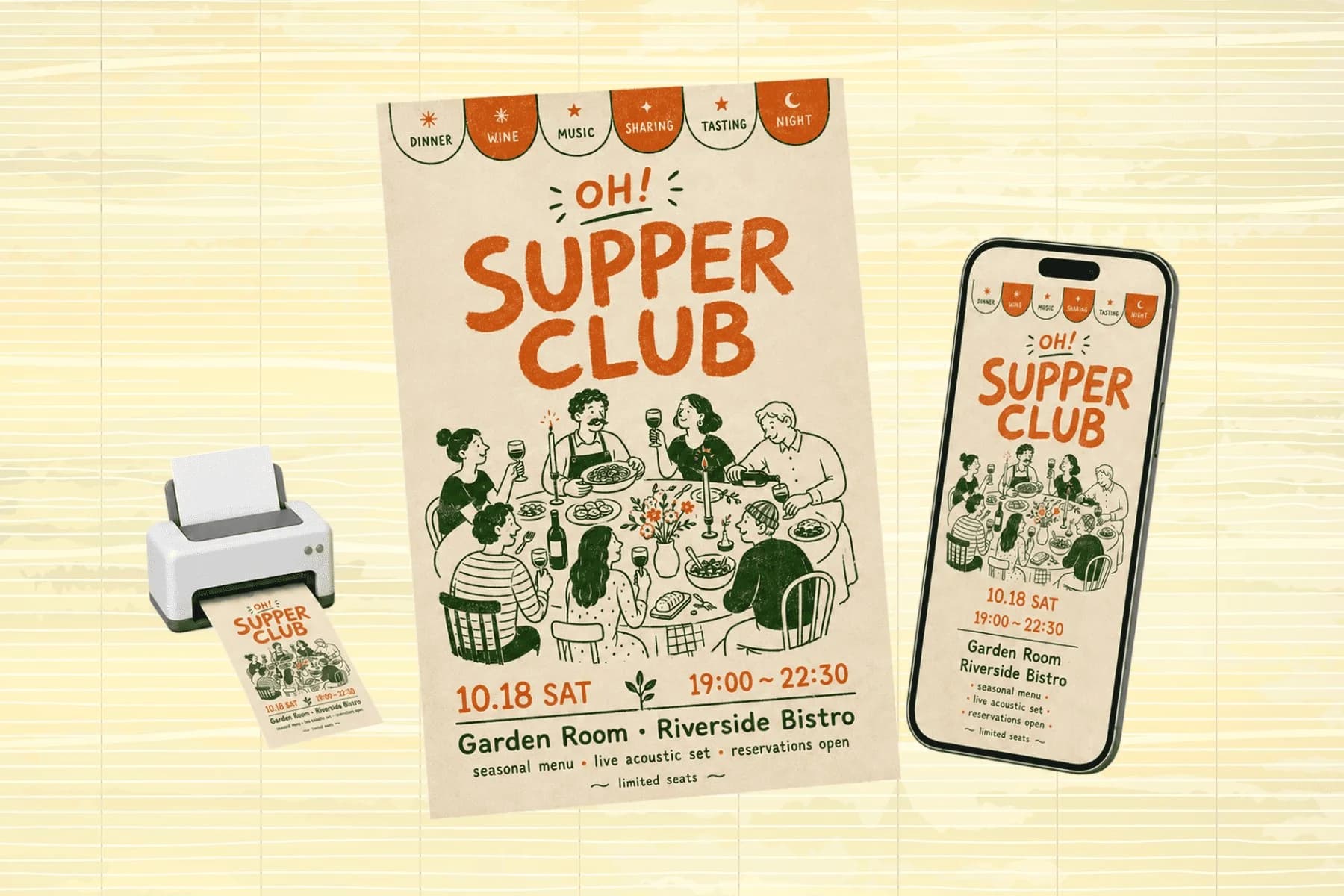
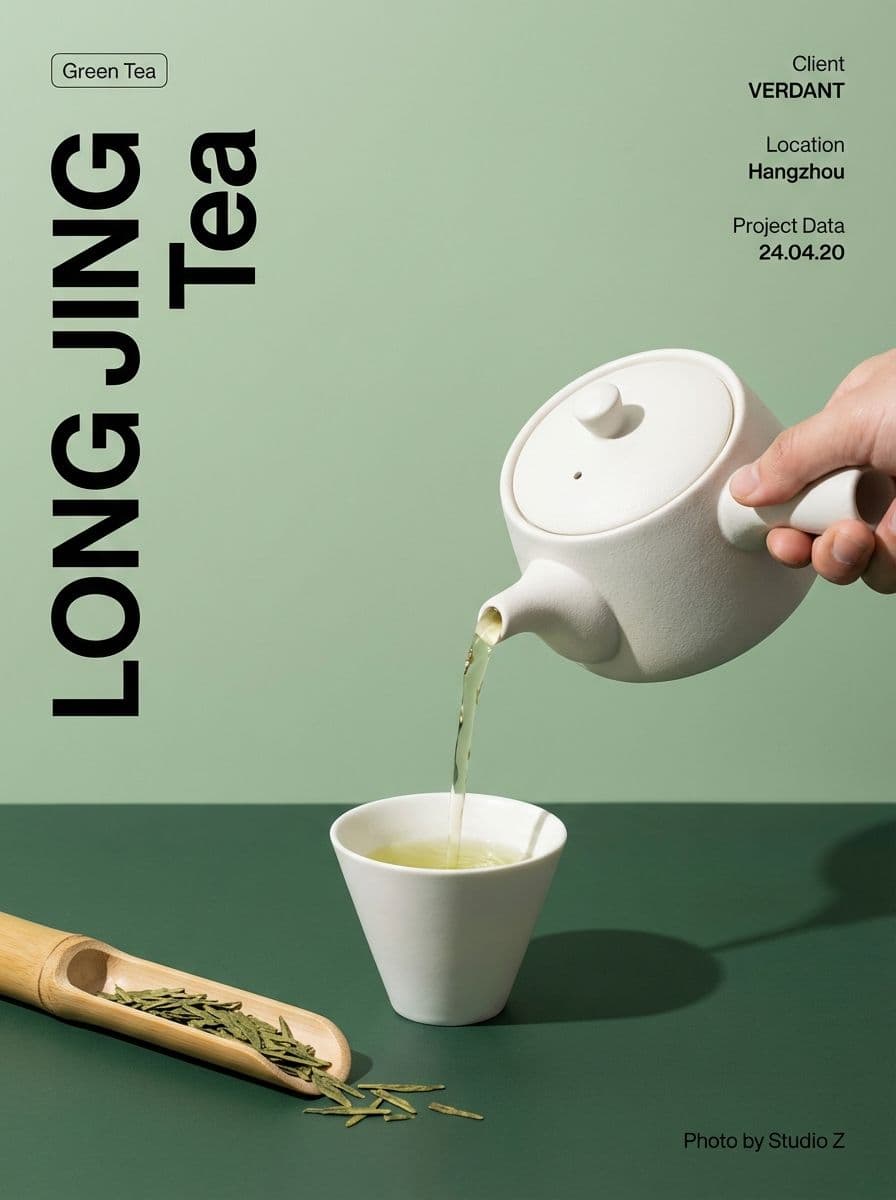
One hero visual, every platform format — YouTube, LinkedIn, Instagram — without manual resizing.
Explore workflowYes. Choose lossy compression for a smaller file or lossless compression when every detail must stay unchanged.
PNG supports transparent backgrounds in both lossy and lossless modes. Choose lossless when soft shadows and smooth edges must stay unchanged.
PNG files can be larger than JPG files, especially for photos. Use lossy PNG quality for a smaller result, or consider JPG or WebP when file size matters most.
JPG and WebP are supported. Choose files on your device and download PNG output without uploading them.
Yes in lossy mode. Adjust quality to balance file size and detail, or switch to lossless mode to keep the image unchanged.
See how teams are using Playyy to ship better visuals, faster.
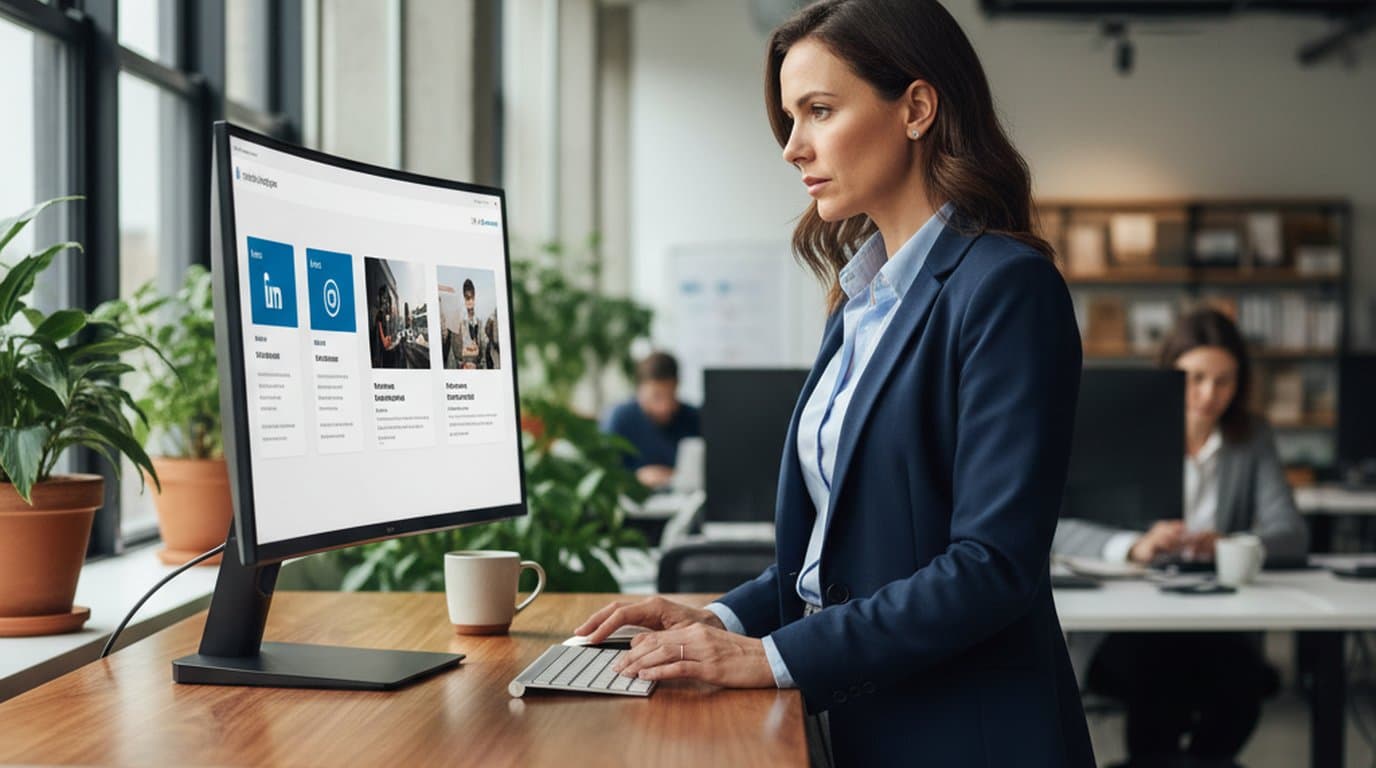
LinkedIn ads and organic posts, two different tones, one brand — produced in a single creative session without separate workflows.
 Emily Carter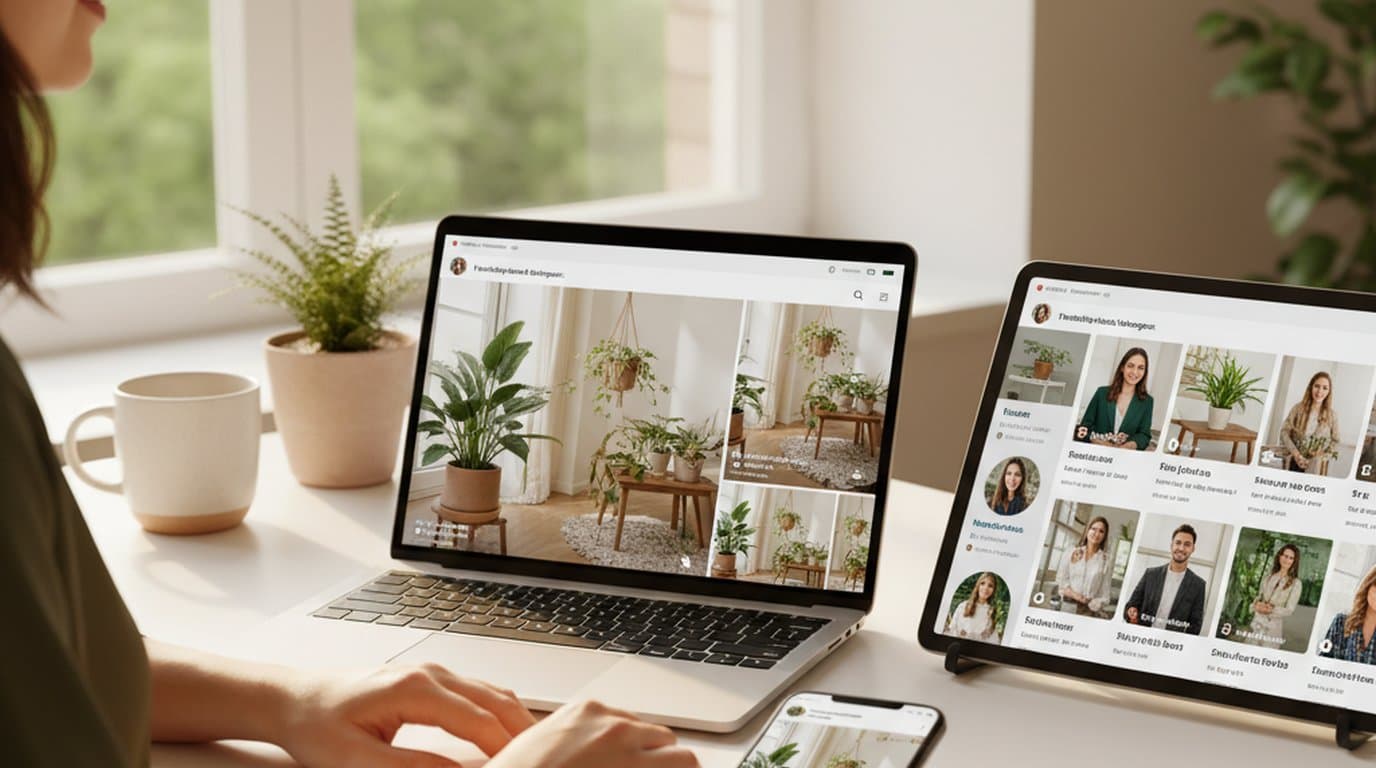
One person, three platforms, zero visual drift — how the brand stopped rebuilding the same visuals from scratch for each channel.
 Sophie Whitmore
LinkedIn banner, Facebook cover, and profile picture — one visual direction, one afternoon, zero design budget.
 Minji Park
Keep every image on brand, control the final look, and turn campaign ideas into polished assets without waiting on another design cycle.