What to Put in an Event Proposal Template
 Luca Moretti
Event proposals get asked for on short notice, usually against two or three other planners, off a venue hold and a headcount that is still moving. Downloading an event proposal template gets you a set of headings in about a minute — and then leaves you looking at them, because the headings were never the hard part. What goes underneath them is what decides whether you get the job.
Direct answer. A working event proposal template has seven sections: event overview, scope of services, timeline, budget breakdown, deliverables, team and experience, and terms. Keep it to roughly eleven pages, lead with the overview and the money, and put per-person or per-line pricing where a client can find it in under ten seconds.
What an Event Proposal Has to Prove
Every event proposal answers three questions, whether or not you write them down. Can you deliver this? What does it cost, precisely? And what happens when something goes wrong at 4pm on the day?
Template sites treat a proposal as a formatting exercise. It isn't. It's the only evidence a client has about your competence before handing over money. A vague scope line reads as "hasn't thought it through." A budget with three round numbers reads as "guessing." Neither is what you meant, but that's the signal that lands.
Proposify's analysis of 742,137 proposals found that winning proposals average 11 pages while losing ones average 13, and that 83% of winning proposals contain images, with an average of 12 images per document. Buyers also spent 25.3 minutes inside winning proposals versus 15.8 minutes in losing ones. Shorter, more visual, read longer. That combination is the whole brief for an event proposal template. (State of Proposals 2026)
The Seven Sections of a Working Event Proposal Template
Here is the event proposal structure that works with venues and planners, in the order it should appear:
- Event overview — one page. Name, date, venue, guest count, format, and a two-sentence statement of what the client said they want to achieve, in their words.
- Scope of services — what you're responsible for, and explicitly what you are not.
- Timeline — planning milestones, plus a run-of-show for the day.
- Budget breakdown — line items grouped by category, with subtotals.
- Deliverables — the tangible things that exist when you're done.
- Team and experience — who is on site, plus two or three comparable events with photos.
- Terms — deposit schedule, payment dates, cancellation, change fees, overtime, insurance.
Proposify's data points to seven sections as the norm in winning documents, roughly what fits in eleven pages. If your event proposal template has fourteen headings, two are padding and one is your mission statement. An event proposal structure a client can hold in their head beats one that covers every contingency.
Scope and Deliverables: Where an Event Planner Business Proposal Gets Vague
This section is where the job is won or lost, and it's the one people write fastest. "Full event management" is not a scope. It's an invitation to a fight in week six about who was supposed to book the shuttle.
Write scope as verbs with objects. Source and contract three vendor categories: catering, AV, floral. Manage vendor payments through a single consolidated invoice. Provide one on-site coordinator plus an assistant for a twelve-hour day. Then add an exclusions list: travel and accommodation for out-of-town guests, alcohol licensing, anything needing a permit application after a stated date.
Deliverables differ from scope, and mixing them is the most common structural mistake in an event planner business proposal. Scope is labour. Deliverables are artifacts: a signed vendor schedule, a floor plan, a run-of-show, a post-event report, a photo set. Listing them separately makes an event planner business proposal feel finite, which makes the price feel attached to something.
The Event Budget Breakdown Clients Actually Read
The event budget breakdown is where the client stops skimming. Give them a table grouped into categories — venue, food and beverage, AV and production, décor, staffing, contingency, your fee — with a subtotal for each and the grand total at the bottom.
Three rules prevent more arguments than anything else in the document. State your own fee as its own line, not folded into overhead; hiding it makes people hunt and assume the worst. Show contingency as a real line at 5–10%, because an event proposal with no contingency reads as inexperience. And put tax and service charge treatment in writing next to the total, since that's the most common source of "this isn't the number you quoted me."
If the client gave you a budget ceiling, show your total against it. If you're over, say so on that page with the reason. An event budget breakdown that acknowledges its own problem reads as honest; one that buries it reads as a tactic.
Catering Proposal: Why the Money Section Works Differently
A catering proposal is not a general event proposal with a menu bolted on. The financial structure is different, and using a generic event proposal template for catering is why so many caterers get compared on the wrong number.
Event proposals price a project. A catering proposal prices a per-head rate, and the client will reduce your whole document to that one figure. So it has to be visible, fixed, and inclusive. Quote "$95 per person," then list what those ninety-five dollars contain: courses, staffing, standard tableware, non-alcoholic beverages. Avoid ranges — "$75–$120 depending on selections" forces the client into arithmetic they'll get wrong in your disfavour.
The per-person price is the only line in a catering proposal a client can hold directly against a competitor's document. Everything else — staffing ratios, rental inventory, service charge — gets compared only after the per-head figure has already sorted the caterers into a shortlist. That's why burying it on page seven behind your kitchen story costs bids.
Deliverables shift too: a final menu, an allergen and dietary matrix, a staffing plan with arrival and departure times, a rental inventory list. Terms need a guest-count deadline, because food gets ordered days before anyone eats it, plus a cancellation ladder tied to that ordering date rather than the event date.
Timeline and Terms
Two sections, both boring, both the reason an event proposal template survives contact with reality.
The timeline needs two layers: planning milestones with dates and an owner for each — venue contract signed by 12 September, menu locked 21 days out, headcount 10 days out — then a run-of-show for event day in thirty-minute increments. The run-of-show is the most persuasive page in most proposals, because it's the only thing that proves you've mentally rehearsed the day.
Terms should be plain and short: deposit amount and date, payment schedule, overtime triggers and rate, cancellation ladder by date band, insurance, and who holds vendor contracts. Legalese doesn't protect you any better and it makes people get suspicious right where you want a signature.
Which Pages Your Client Reads First
Clients rarely read a proposal front to back. The usual path is cover page, overview, budget, then a jump straight to your comparable events and photos. Timeline and terms get read properly only after they've decided they like you.
That order should change how you build the file. Your best three event photos belong in the first four pages, not an appendix. The total should be reachable without scrolling past a company history. And the comparable-events page needs images, because it does the job your words can't — the client is looking for a room that resembles theirs. If you assemble that part of the event proposal template as a deck, Playyy's presentation maker handles the layout so photos sit consistently across pages.
Why Layout Decides Whether They Believe You
This is the part template download sites never mention. The design of an event proposal isn't decoration. It's the client's only sample of your work.
Think about what you're asking. A client is about to give a stranger five figures and responsibility for a day that matters, based on a PDF. If that PDF has three fonts, photos at different crops, a misaligned budget table, and a stretched logo, the client draws a conclusion — not consciously, but reliably. Someone who can't make eleven pages look consistent probably can't make a room look consistent either. That inference is unfair, and correct often enough that people keep making it.
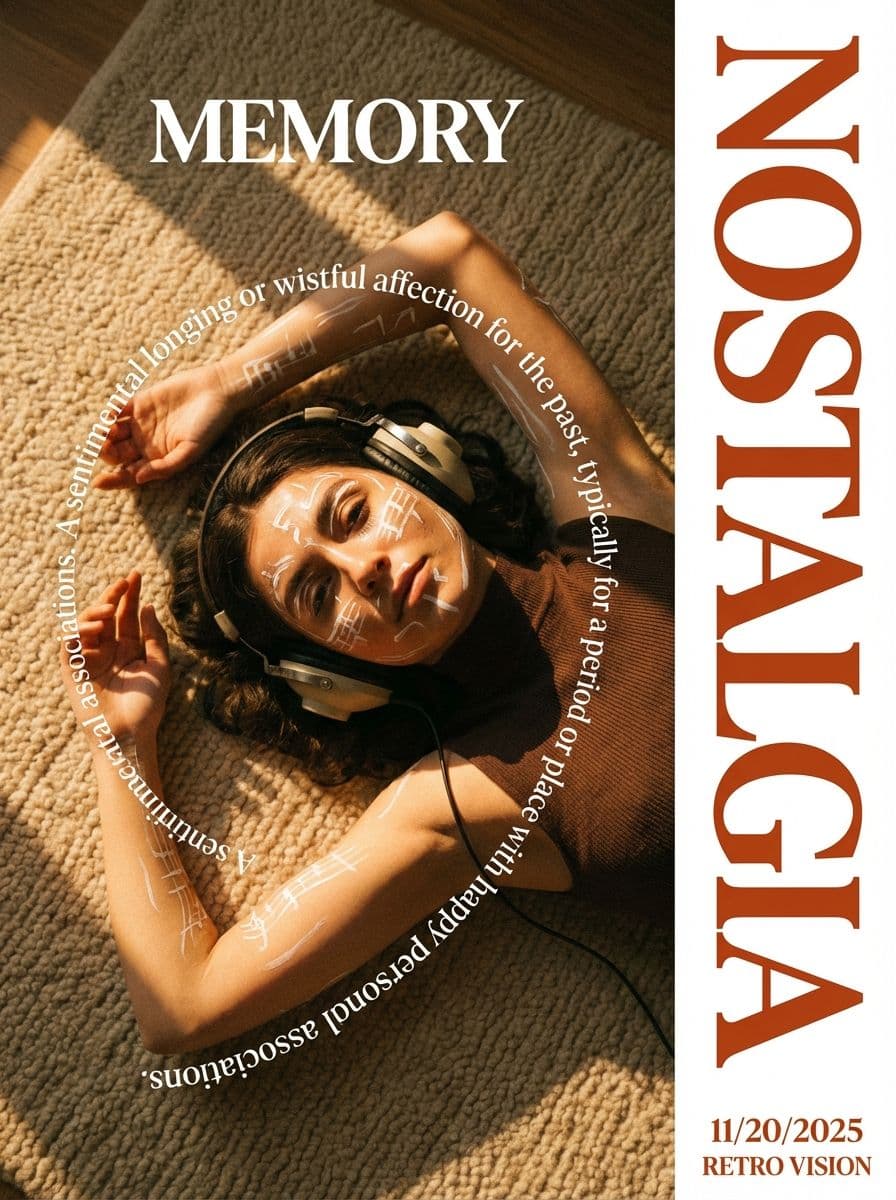
The fixes are small. One typeface, two weights. Every event photo cropped to the same aspect ratio. Consistent margins. A budget table with right-aligned numbers. For venues you haven't shot yet, generate a mockup image of the room dressed to the proposed concept, clearly labelled as a concept visual, rather than leaving the page blank or padding it with stock photos of somebody else's wedding.
Once the concept is approved, the same assets carry into the pitch meeting — building client-facing event decks from the event proposal template you already filled in keeps the numbers identical across both documents, which matters more than it sounds like it should.
Venue, Wedding, and Sponsorship Variants
The same seven sections adapt, but the weight moves.
A venue proposal is mostly rate card and inclusions: space rental by room and time block, F&B minimum, what that minimum counts toward, in-house AV, load-in access, restrictions. Scope shrinks, terms expand. Clients comparing venues are comparing inclusion lists, so a venue proposal should read easily side by side against the competition.
A wedding proposal document carries more visual weight than a corporate one and needs a stated emotional read of the day alongside the logistics. It's the one place a mood-board page earns its space: couples buy a feeling and then check the arithmetic, so a wedding proposal document that leads with a spreadsheet answers in the wrong order.
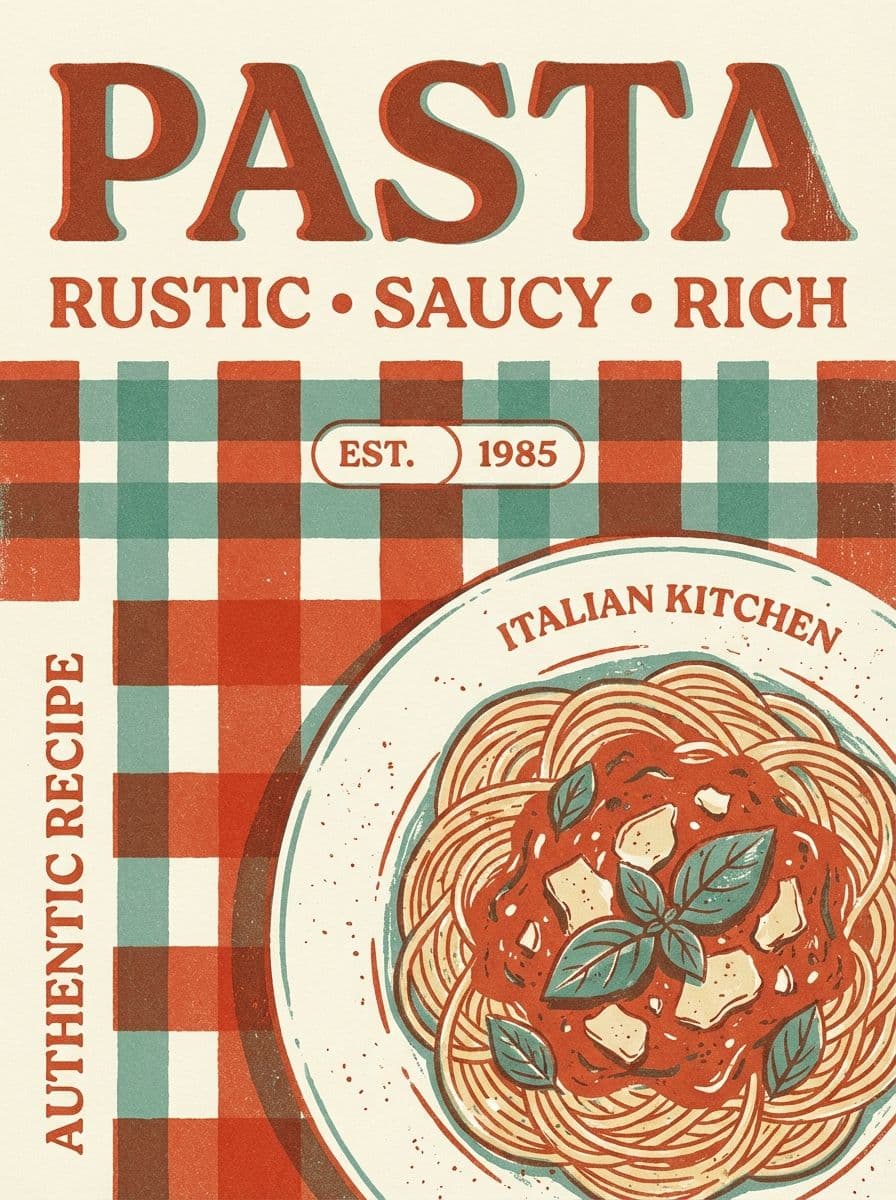
A sponsorship proposal inverts the whole thing. You're selling audience, not delivery: demographics, reach, visibility tiers, and what the sponsor's logo appears on. That means showing the branded assets, which is where a planner's event poster and flyer design work becomes part of the sale rather than a task after it. A sponsorship proposal with a mockup of the logo on the stage backdrop closes at a different rate than a bullet list promising the same thing.
None of this transfers cleanly to a generic sales proposal — event work is priced per-occasion against a fixed date, which changes both the budget structure and the cancellation terms.
Before You Send It
Two habits. First, revise it. Proposify's data shows close rates rising with each revision, up 45% at three — read that as "the first draft is never the one to send," which matches what happens when planners let a proposal sit overnight and cut two pages the next morning.
Second, stop hunting online for a better event proposal example. Every sample on a template site is a formatting exercise; the useful one is your own last winning document with the details swapped. If you don't have one, borrow structure from a sample in your category and fill it with your own photos and numbers.
Build the event proposal template once, keep it in a file you reuse, and spend the saved time on the two pages that decide it: the budget breakdown and photos of work you've already done.

Luca Moretti
I help restaurants, venues, schools, workshops and small service businesses create posters, menus, invitations, event flyers and social promotions. I write for non-designers who need practical, good-looking visuals for real-world promotions.
Frequently asked questions
Scope, price, timeline, deliverables, and terms. Scope says what you will do, price says what it costs, timeline says when each piece happens, deliverables say what physically exists at the end, and terms cover deposits, cancellation, and overtime. Everything else in a proposal is context around those five.