How a DTC Brand Tested 6 AI Photo Styles Before the Studio
 Emily Carter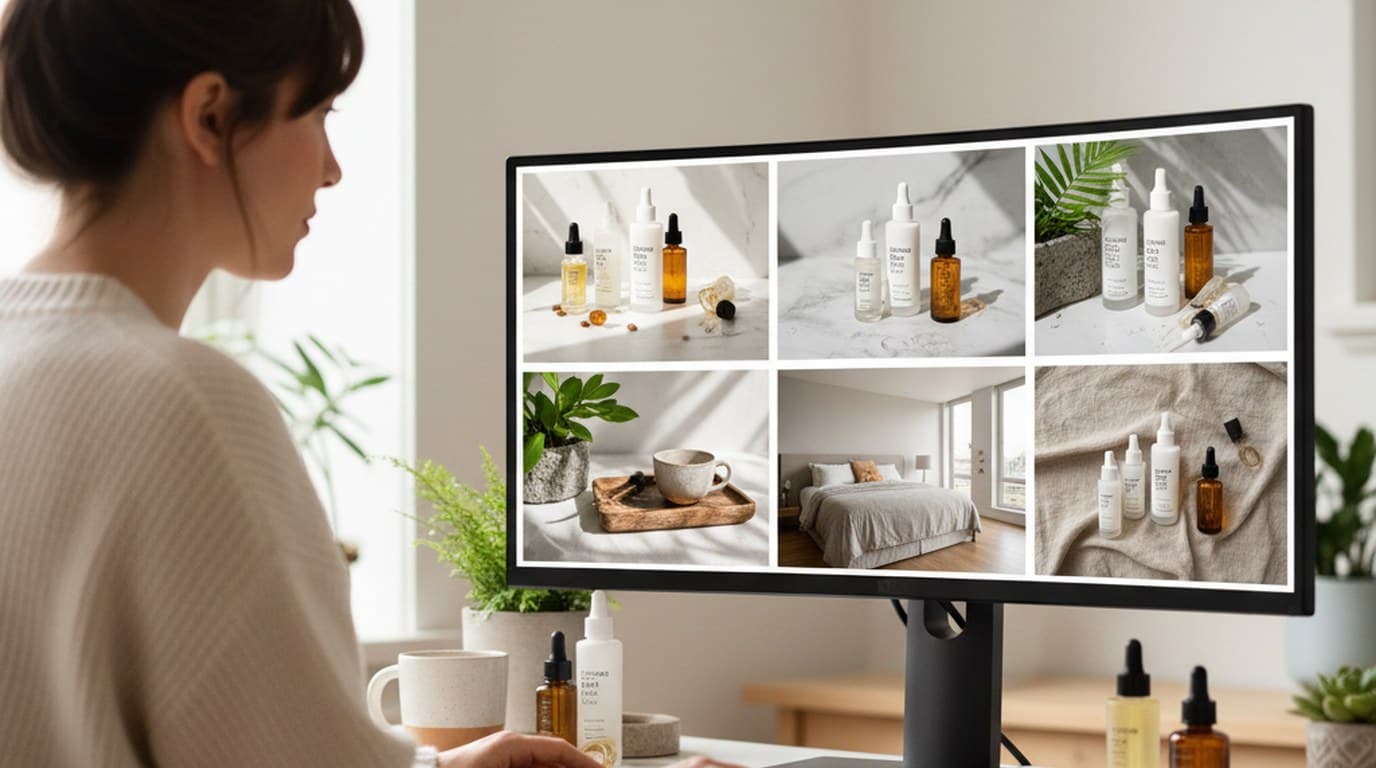
Most DTC beauty brands photograph a new SKU, then test it. Amara Osei's team decided to test first — and the data they collected before a single studio day changed what they shot and how they spent the budget.
The standard launch playbook for a new SKU goes: brief the shoot → book photographer and studio → shoot → post-produce → launch → measure. By the time you know which creative direction actually performs, the shoot budget is spent. Amara, Growth Lead at a botanical skincare brand, had been on the wrong end of that sequence twice. She wasn't willing to repeat it for their new botanical serum.
An AI photo generator can produce six credible visual directions from a single product reference image in hours. That's enough to run a real paid test before a studio is booked — and the data that comes back is worth more than any internal debate about which direction "feels right."
The result. Amara produced six distinct product photography directions in one working day using Playyy's AI image generator and Style Transfer, then ran a $300 Meta test across all six before booking a studio. The winning direction clearly outperformed the alternatives, and the studio shoot ran in three hours instead of a full day with zero post-shoot ambiguity about creative direction.
Why the Shoot-First Sequence Breaks Down for DTC Brands
DTC beauty brands live and die by their creative. The same SKU can convert very differently depending on the image in front of it. It isn't a different product — just better visual evidence.
Product images carry more of the purchase decision than written descriptions, because a shopper who can't handle the product is judging it entirely from the photograph. For a DTC skincare brand, that means every launch creative decision is a conversion optimization decision. Getting the visual direction wrong at launch costs not just the shoot budget, but weeks of suboptimal conversion while you scramble to reshoot.
DTC beauty brands spend an estimated $1,500–$8,000 per SKU on photography and post-production before launch. When the creative direction proves wrong in market — the wrong lighting, the wrong styling, the wrong background — that spend is largely unrecoverable. Running AI-generated test directions before the studio changes when the expensive decision gets made, not whether it gets made.
The problem is that choosing a creative direction before a shoot has traditionally meant either relying on gut instinct or paying for expensive agency concepting. Amara wanted a third option: actual market data.
For the methodology behind this workflow, see AI Product Photography Without a Studio.
Producing Six Directions in One Day
The brand had development sample images — not polished, but sufficient. Amara used Background Remover to isolate the serum bottle cleanly from each sample photo. From those clean cutouts, she used Playyy's AI image generator and Style Transfer to produce two variants of three distinct directions:
Direction 1 — Studio minimalist: Clean white surface, single product, hard shadow, ingredient sprig. Two variants: one warmer, one cooler.
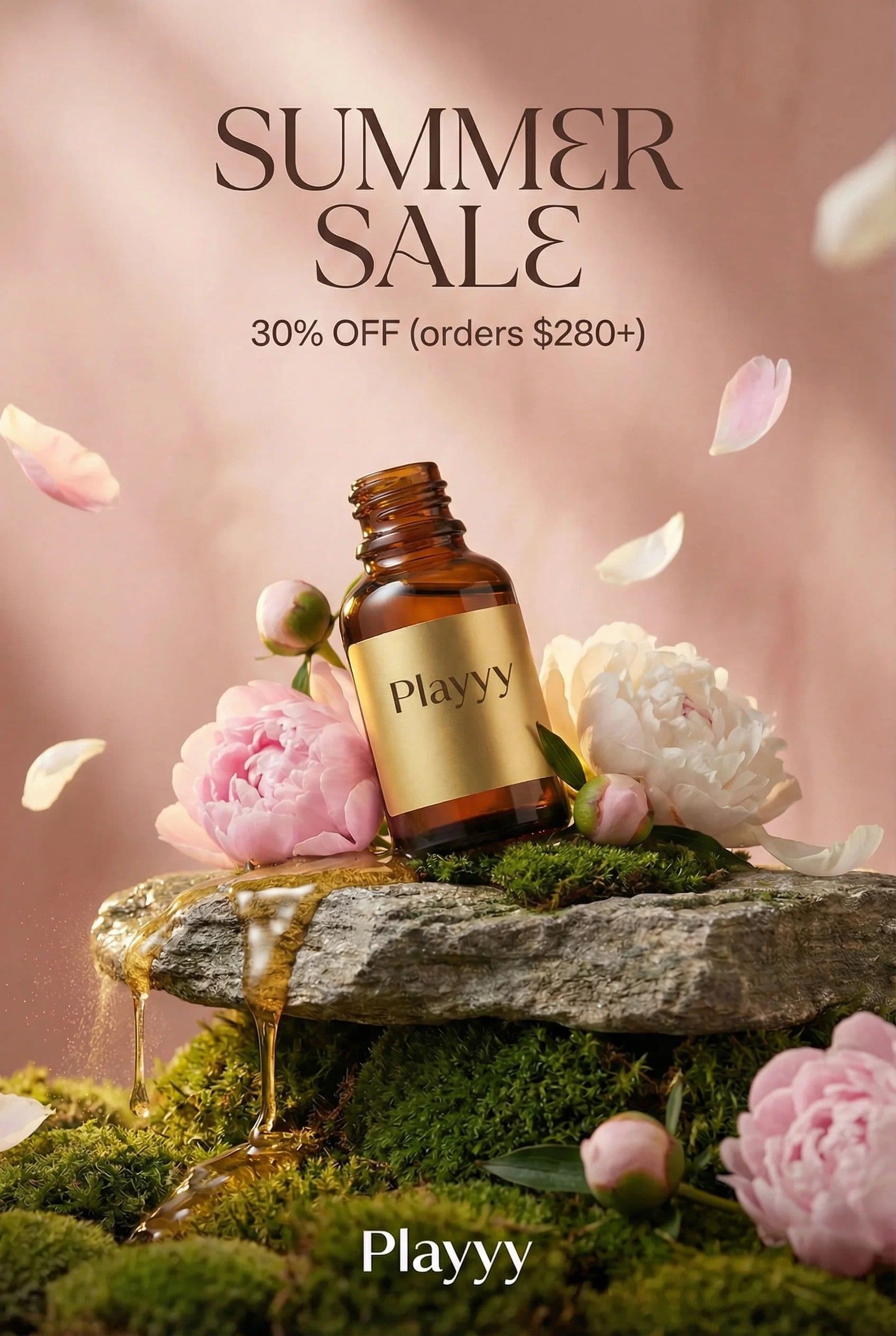
Direction 2 — Outdoor lifestyle: Natural light, botanical elements, textured linen surface. Two variants: morning light and golden-hour tone.
Direction 3 — Ingredient close-up: Macro-style focus on formula texture and key ingredient. Two variants: product-forward and ingredient-forward framing.
Six images total. One working day.
In our experience testing this approach with early-stage brands, the most useful thing about this process is that it forces specificity. You can't A/B test "minimalist vs. lifestyle" as an abstract concept — you have to make a specific image for each. Making the images is also what reveals whether a direction is actually viable before you commit to it.
Running the Test Before the Shoot
Amara ran all six images as paid social creative on a small-budget Meta test — $300 spread across the six variants over five days. The brief: measure click-through rate and landing page conversion rate by direction.
The ingredient close-up direction beat the studio minimalist on click-through and the outdoor lifestyle on conversion — the result the team had explicitly said they weren't betting on before the test.
The ai photo generator had produced something real enough to test in market. The test had produced data specific enough to make a decision. The studio shoot was briefed with precision: ingredient close-up direction, two product sizes, three color backgrounds the data had flagged as highest performing.
For more on how AI-generated images perform in paid testing contexts, see AI Photoshoot for Creators.
What the Data Changed in the Studio Brief
The photographer received a brief that named the winning direction, specified the two strongest color backgrounds, and included the six test images as style references. There was no ambiguity about what the shoot needed to produce — because the market had already told them.
The shoot ran in three hours instead of a full day. Post-production was minimal because every decision about lighting, composition, and styling had been made in advance. The final images launched on schedule and the product launched with a conversion rate that tracked to the test data's predictions.
Testing creative before a launch changes which decision is the expensive one: you spend a small ad budget to learn, instead of a shoot budget to guess. The serum launch bore that out.
The Real Value: Changing When the Decision Gets Made
The traditional shoot-first sequence makes the creative direction decision before any market signal exists. The test-first approach flips that: you get market signal before the shoot budget is spent.
For Amara, the shift was practical, not philosophical. The AI photo generator produced images specific enough to test — not polished enough to publish at full scale, but good enough to generate real click and conversion behavior. That's the standard that matters for this workflow. Polish comes from the studio. The direction comes from data.
The brand now uses this approach for every new SKU launch. Development sample images go through Background Remover, multiple directions get produced via the AI photo generator, and a small test budget runs before any studio is booked.

Emily Carter
I help marketing teams at early-stage SaaS companies and DTC brands produce more campaign assets without losing brand consistency. My focus is on practical workflows for growth marketers — from paid social testing to creative iteration.
Frequently asked questions
AI photo generator output is test-quality rather than final-production quality for high-end placements. It's well-suited for Facebook and Instagram feed ads where the test window is short and conversion data is more valuable than pixel-perfect polish. For hero brand placements, long-running evergreen creative, and print, a studio shoot remains the right investment — informed by the data the AI testing phase collected.