How a Restaurant Launched Its Menu With a Full Campaign Kit
 Luca Moretti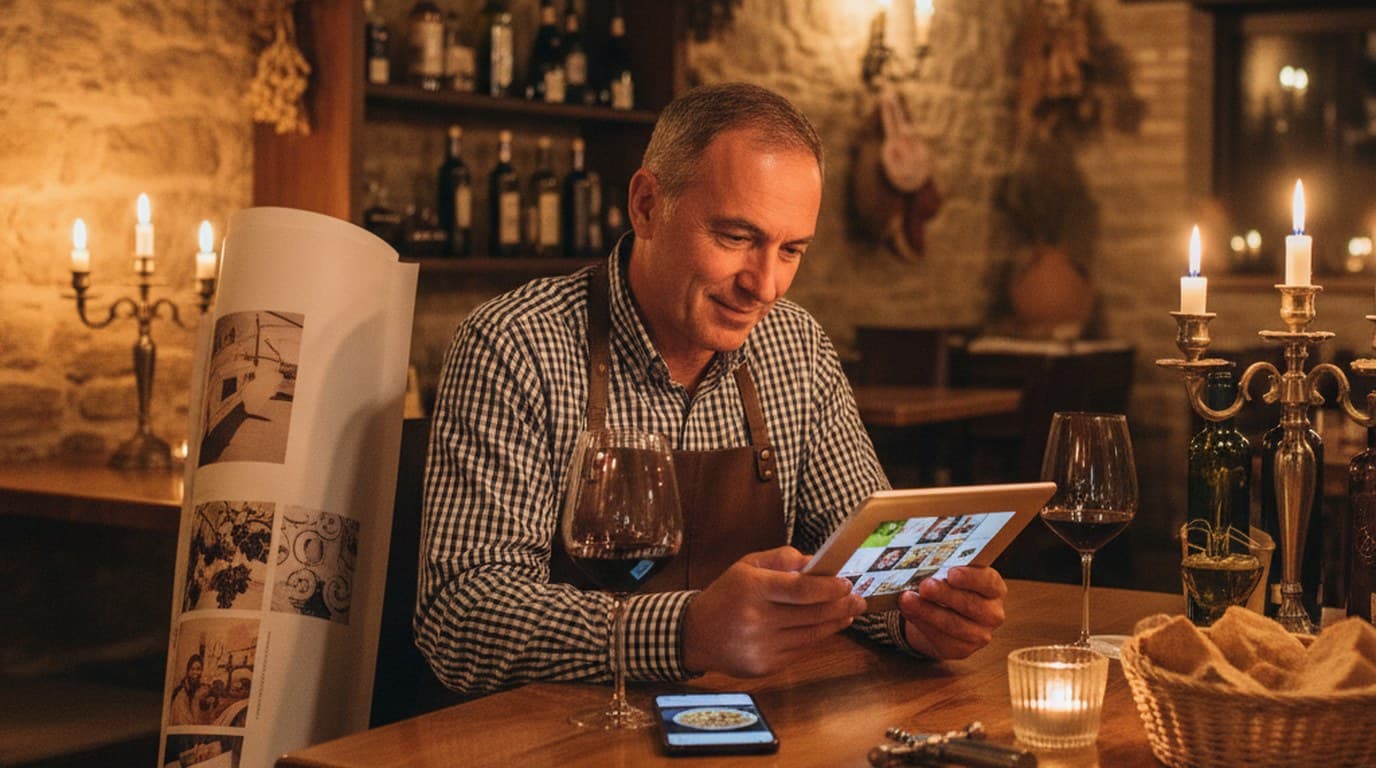
Nico Rossi's restaurant had a new seasonal menu ready. What he didn't have was a designer, a print budget, or a timeline that allowed for either. The launch was three days away. He needed a printed window poster, a banner for the restaurant's delivery platform listings, and at least two Instagram posts.
His previous approach was Canva templates — serviceable, but visually generic in a way that didn't match the restaurant's actual quality. The templates looked like restaurant templates. That was the problem. For independent owners weighing their options, the Canva alternatives guide covers how AI-first tools compare for this kind of single-session campaign work.
An AI image creator changes what's possible for a single-owner restaurant: instead of choosing from generic template libraries, you describe the specific mood of your food and your space, and generate imagery that belongs to your brand. The production still takes skill — but descriptive skill, not design software skill.
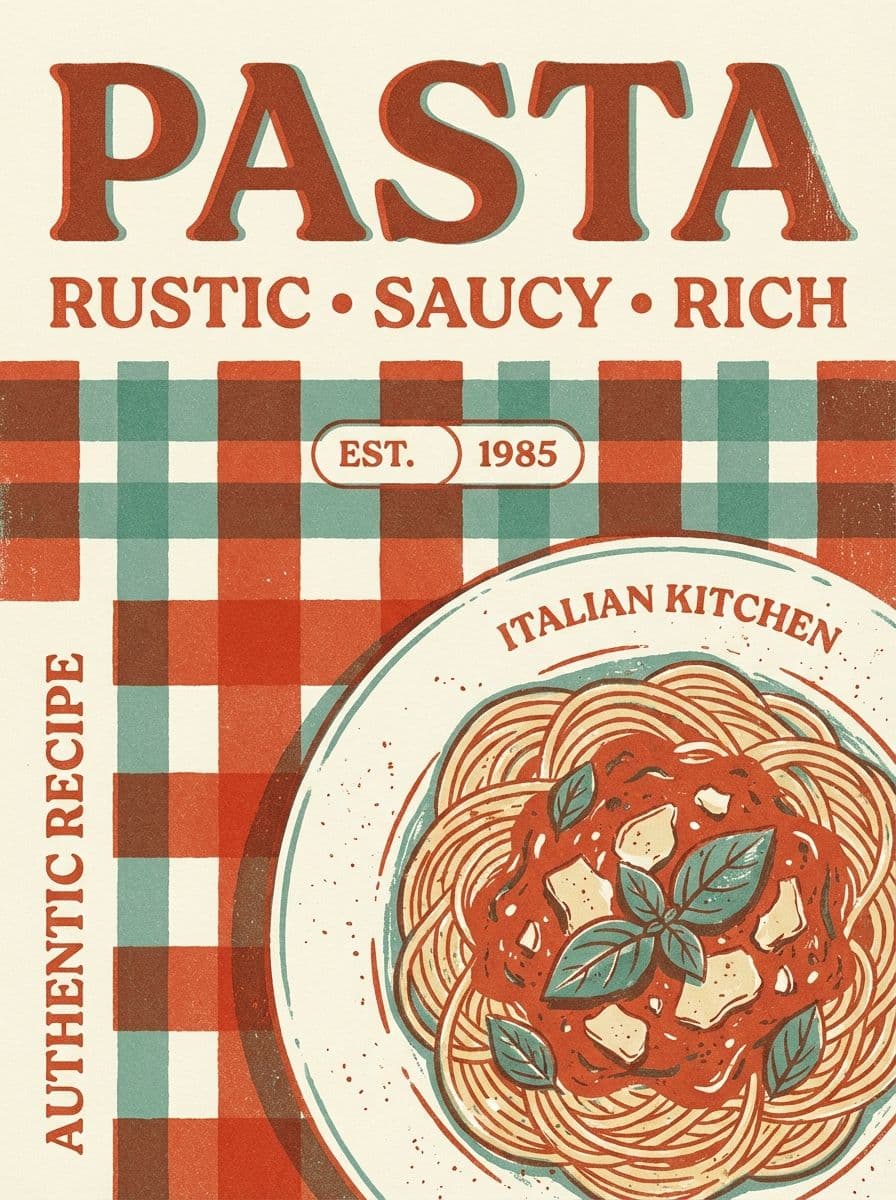
The result. Nico produced a printed window poster, delivery platform banner, and two Instagram posts for his new seasonal menu launch in one afternoon using Playyy's AI image generator, Image Expander, and Edit Elements — with no designer, no design budget, and a three-day deadline. The launch weekend performed above his expectations.
Why Template Libraries Fail Independent Restaurants
Most independent restaurant owners who produce their own marketing materials face the same constraint: the templates available to them weren't designed for them. They were designed for maximum recognizability as professional restaurant marketing — which means they look like every other restaurant's marketing.
For a place like Nico's, which competes on the authenticity and specificity of its food, using generic templates undermines the core message. A candlelit pasta shot inside a Canva food template doesn't communicate what the restaurant actually is.
For most guests a restaurant's social account is the closest thing to looking through the window before deciding to walk in, and photographs do that work in a way text cannot. For an owner-operated restaurant without a marketing team, this creates persistent pressure: the marketing materials need to be good, but there's no one dedicated to making them good.
Nico had reached the limit of what template-based production could do. He needed a different starting point.
Building the Campaign From a Description
Independent restaurants operate in one of the most visually competitive categories in local consumer marketing. Every major food delivery platform, social algorithm, and local search surface prioritizes visual content, and the bar for what reads as "professional" has been set by chains and well-funded hospitality groups with dedicated creative teams. Independent owners are expected to match that visual standard with a fraction of the resources — which is why the gap between what a restaurant looks like and what it actually is remains one of the most persistent problems in independent hospitality.
The workflow Nico used started with language, not images. He described the restaurant's new menu in terms of its visual character: the deep reds and warm ochres of the seasonal dishes, the texture of hand-rolled pasta, the specific quality of candlelight on handmade ceramic. The mood the new menu should communicate — warmth, seasonal abundance, the kind of evening that takes its time.
Using Playyy's AI image generator, he produced three anchor image directions from that description. Not stock-looking food photography. Not template-adjacent lifestyle scenes. Specific, atmospheric images that reflected the actual visual world of the restaurant.
In our experience working with food and hospitality brands, the anchor image quality is what separates AI-generated marketing materials that look designed from those that look AI-generated. The differentiator is specificity: vague descriptions produce generic outputs; descriptions of texture, light source, and mood produce outputs that feel made for a particular place.
Nico selected one direction — an image that captured the mood of the new menu without depicting a specific dish — and used it as the foundation for all three campaign formats.
From One Image to Three Formats
A printed window poster, a delivery platform banner, and an Instagram post have different format requirements and different visual needs.
The window poster needed to work at large scale, with text readable from the street. The delivery platform banner needed to perform at thumbnail size on a mobile screen, with the restaurant name immediately legible. The Instagram post needed a composition that held up as a square, with the subject centered and enough negative space to breathe in a crowded feed.
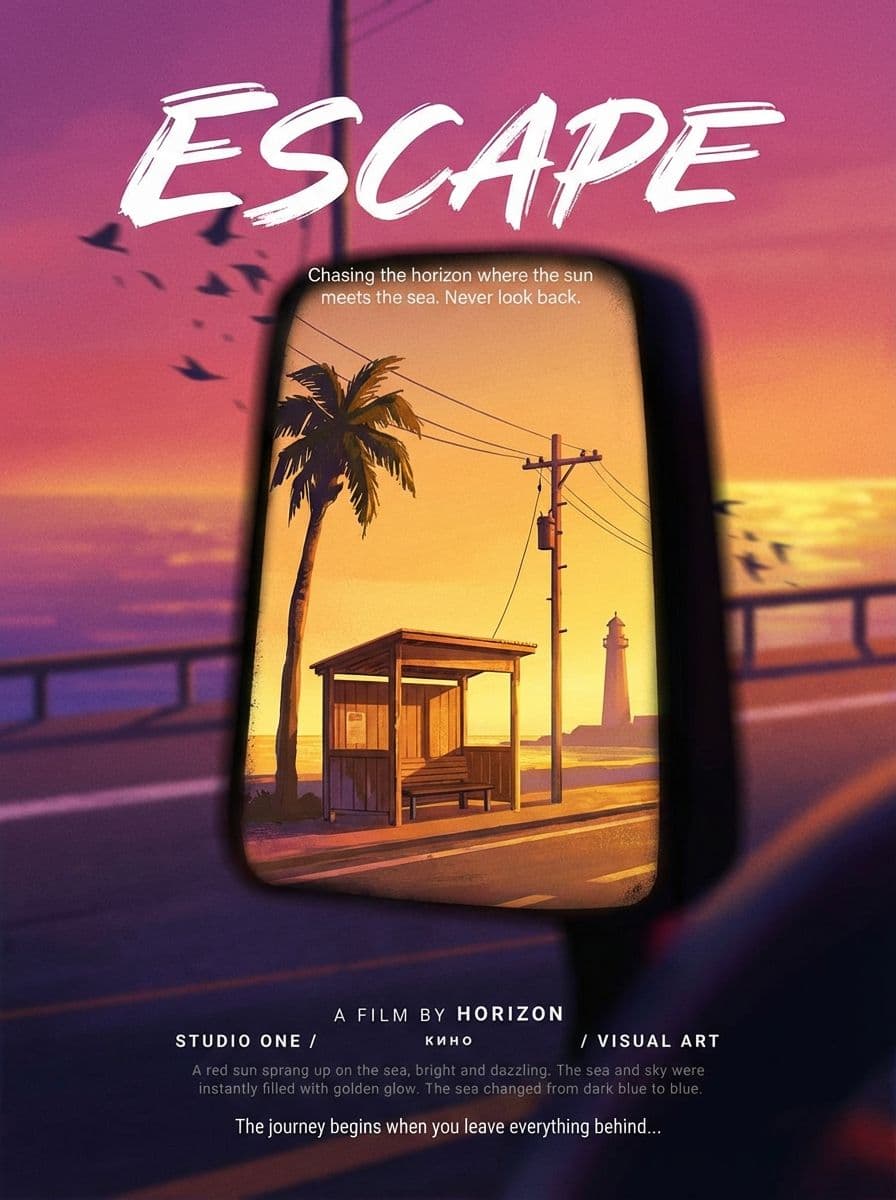
Nico used Image Expander to adapt the anchor image to each required format — the poster at portrait ratio, the platform banner at horizontal, the Instagram post at square. The AI extended the composition in each direction, maintaining the color temperature and mood rather than simply cropping or stretching the original. The result was three versions that read as the same campaign rather than three independent images.
Edit Elements handled the text layer: the menu announcement, the restaurant name, and the opening dates added at appropriate scale for each format, positioned to avoid the image's focal points, with contrast adjusted for each use case.
A delivery-platform banner that changes with the season signals an operating kitchen; one that hasn't changed in two years signals the opposite. The delivery banner is often the first visual contact a new customer has with a restaurant — it's doing the same work as a storefront window.
The Quality Difference
When Nico placed the finished materials beside his previous Canva template work, the difference was immediate. The template versions looked like they had been made with templates. The new campaign looked like it had been designed for the restaurant specifically.
This isn't a subtle distinction. Restaurant marketing competes for attention in a category where every independent establishment is trying to signal that their food and space are worth choosing over the alternatives. Generic visual materials don't carry that signal.
The three-format campaign took Nico one afternoon from description to export-ready files. He sent the poster to print that evening and the updated platform banners were live the following morning. The Instagram posts ran the day before the menu launch and the day of.
The launch weekend performed above his expectations. He attributes part of that to the restaurant's reputation and word of mouth — and part to the fact that the marketing materials actually reflected what the restaurant is.
For a broader look at campaign visual production from brief to all channels, see Campaign Visual Creation From Brief to Every Channel.

Luca Moretti
I help restaurants, venues, schools, workshops and small service businesses create posters, menus, invitations, event flyers and social promotions. I write for non-designers who need practical, good-looking visuals for real-world promotions.
Frequently asked questions
The output quality depends on the specificity of the prompt. A brief that names specific textures, light sources, and plating styles — "golden-hour light, textured ceramic plate, hand-rolled pasta with rough edges" — produces images that carry the detail and atmosphere of real food photography. Generic descriptions produce generic results. For social and digital marketing, well-prompted AI output is visually competitive with stock food photography and more specific to a brand's actual aesthetic.