Ecommerce Product Photo Editing: Amazon & Shopify
Ecommerce image editing across every SKU — background removal, cleanup, and upscaling that meet marketplace specs.
Explore workflowCompress JPG files fast with adjustable quality. Files stay on your device.
A workflow built around your real creative needs — from first direction to final asset.
Move the quality slider to find the balance that works for each batch. See the original size, compressed size, and percentage saved before downloading.
Add up to 10 JPG files and set quality once for the whole batch. Each result is ready as soon as it finishes, with no upload wait.

Reduce the size of product photos, ads, email images, and website assets. Smaller files load faster and are easier to publish across platforms.
Choose a smaller file or preserve more detail. The quality control makes the tradeoff clear and easy to change.
Reduce file size while keeping images clear. Adjust quality whenever a photo needs more detail.
See original size, compressed size, and percentage saved for every file. If compression would not reduce file size, the tool marks the image as already optimized instead of returning a larger file.
Queue up to 10 JPEGs at once. Each file is processed locally in your browser with the same quality setting — useful for product catalogs, blog batches, and campaign assets.
Images are processed locally in your browser and never uploaded to a server. Nothing leaves your device.
Each JPG gets its own download button as soon as compression finishes. There is no need to wait for the rest of the batch.
“I was re-exporting product JPEGs from Lightroom at different quality settings trying to hit a file size target. Playyy just compresses them correctly the first time — I upload and download without touching any settings.”

James Walker
Ecommerce Creative Strategist
“Our ad platform was flagging creatives for file size. I ran the whole batch through Playyy and every JPEG came out under the limit with no visible quality drop — the client couldn't tell which version was compressed.”

Emily Carter
Growth Marketing Strategist
“I manage product content for a brand with 800 SKUs. Compressing the JPEG library used to be a two-day job. With Playyy I batch the entire catalog and it's done in under an hour.”

Sophie Whitmore
Social Media Manager & Brand Content Consultant
Detailed photos and simple graphics compress differently. Download one result to compare it. For a different balance, change quality and add the original again.
Queue up to 10 JPG files at a time and reuse one quality setting across the batch — useful for product launches, blog images, and campaign assets.
Compression runs in the browser, so there is no upload queue or server wait. Files stay on your device from selection to download.
Ecommerce image editing across every SKU — background removal, cleanup, and upscaling that meet marketplace specs.
Explore workflow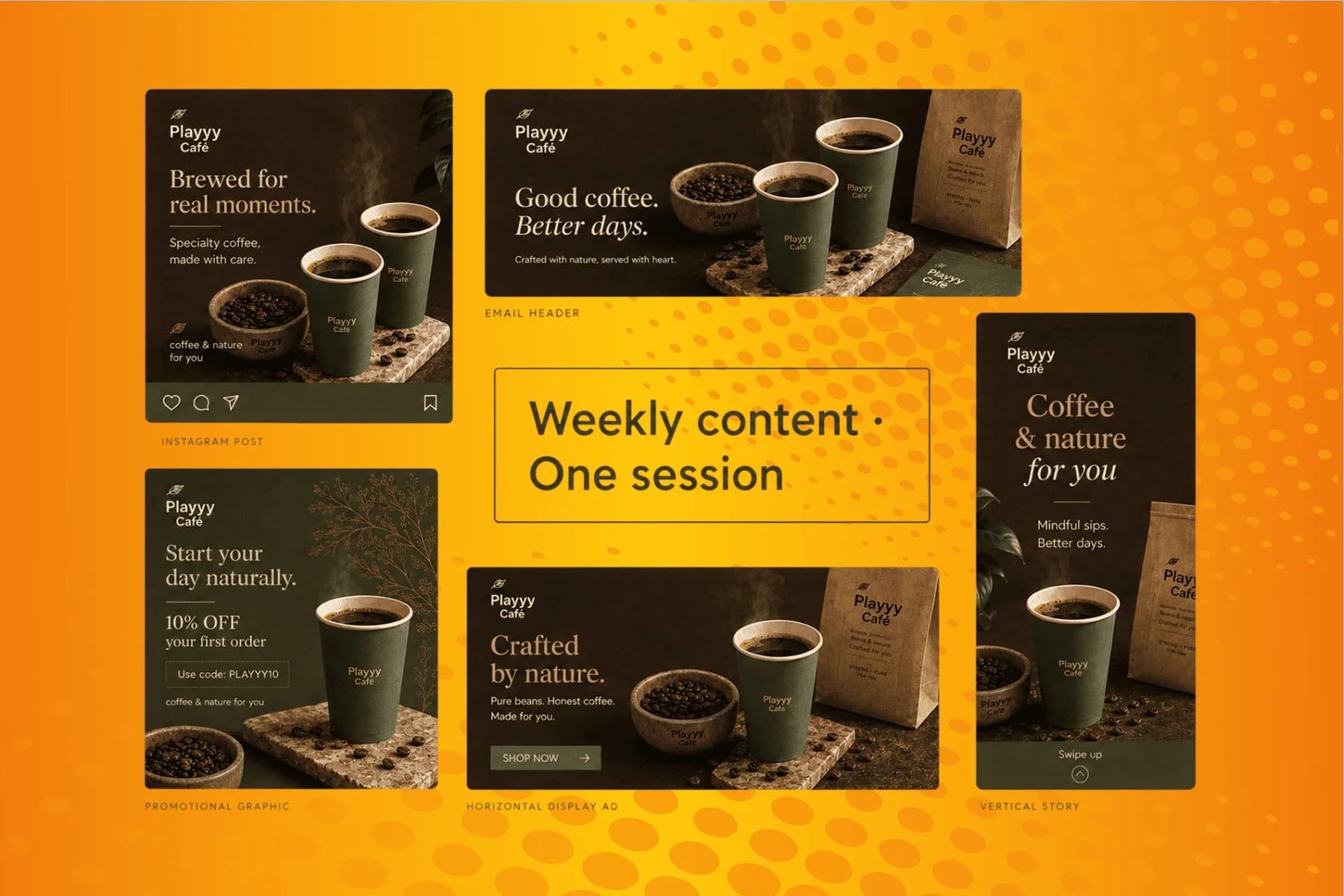
From content gap to publish-ready creative — AI image generator, brand style matching, and copy placement in one session.
Explore workflowChoose a quality level and the tool creates a smaller JPG directly in your browser. It shows the resulting file size and savings before downloading.
Lower quality creates a smaller file. Higher quality preserves more detail. Download one result and compare it with the original. For a different balance, change quality and add the original again.
No. If the chosen setting would not reduce file size, the tool marks the image as already optimized and keeps the original file unchanged.
20 MB per file. Typical high-resolution JPEGs from cameras and design tools are well under this limit.
Save for Web is a desktop workflow. This tool runs in the browser with no install, shows savings before download, and keeps files on your device instead of uploading them to a server.
See how teams are using Playyy to ship better visuals, faster.

Sixty lifestyle images, three days, no studio. How one Shopify brand cut product shoot costs by 80% using AI photo editing.
 James Walker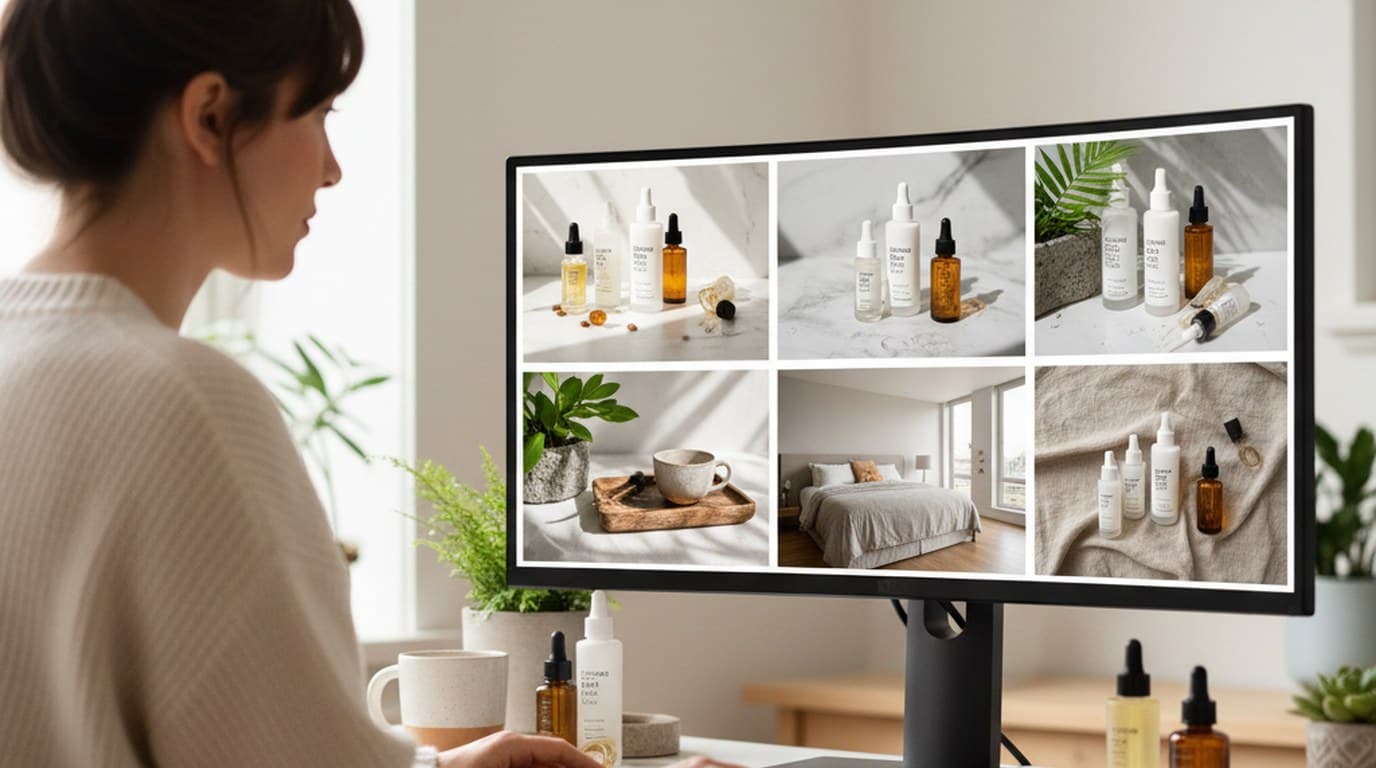
Six creative directions, one working day, real market data — before the studio was ever booked.
 Emily Carter
30 ad creatives, two channels, three days — how a SaaS growth team ran a quarter-end campaign push without an agency on retainer.
Emily CarterKeep every image on brand, control the final look, and turn campaign ideas into polished assets without waiting on another design cycle.