How to Use the ChatGPT Image Generator (Images 2.5)
 Emily Carter
The ChatGPT image generator works on every plan, free included, and it takes about a minute to learn: you describe the picture in a chat message, ChatGPT draws it, and you refine it by talking. Since September 2026 it runs on ChatGPT Images 2.5, which is faster than the previous version and better at keeping the parts of an image you didn't ask to change.
Direct answer. To use the ChatGPT image generator, open a new chat at chatgpt.com or in the ChatGPT app, type "Create an image of…" plus the subject, setting, style and shape, and send it. The image appears in the chat. Ask for changes in follow-up messages, then click the image to download it. Free accounts have a separate image limit.
How to Use the ChatGPT Image Generator in 6 Steps
These steps work the same on the free plan, the desktop app and the phone app; only the position of the buttons changes.
- Open ChatGPT and start a new chat. Go to chatgpt.com or open the app and sign in. A fresh chat keeps instructions from an earlier conversation out of your image.
- Ask for an image. Type "Create an image of…" in the message box. If you'd rather not start from a blank prompt, open Images in the sidebar to browse ready-made styles, or pick a template such as "Poster" or "Merch" and fill in the details.
- Describe subject, setting, style and shape. For example: "Create a vertical 4:5 image of a ceramic coffee mug on a linen tablecloth, soft morning window light, warm film look, no text." Name the ratio, or ChatGPT picks one for you.
- Add a reference if you have one. Tap the plus button to upload a photo, or type
@Sketchand draw a rough layout that ChatGPT follows. - Refine with follow-ups. Say what to change: "make the light cooler", "move the mug to the left third". You can also click a spot on the image and leave a comment there for a targeted edit.
- Download it. Click the image and use the download button on desktop, or save it to Photos on your phone.
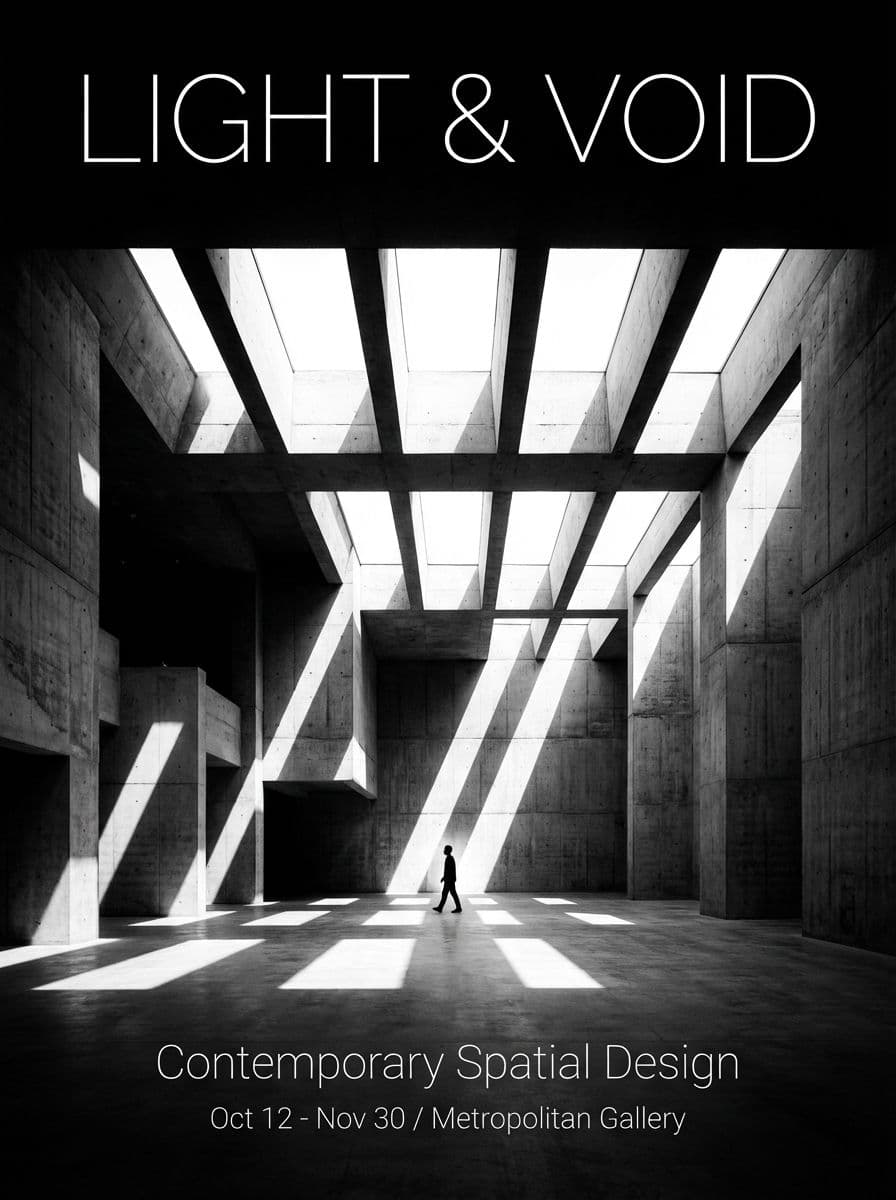
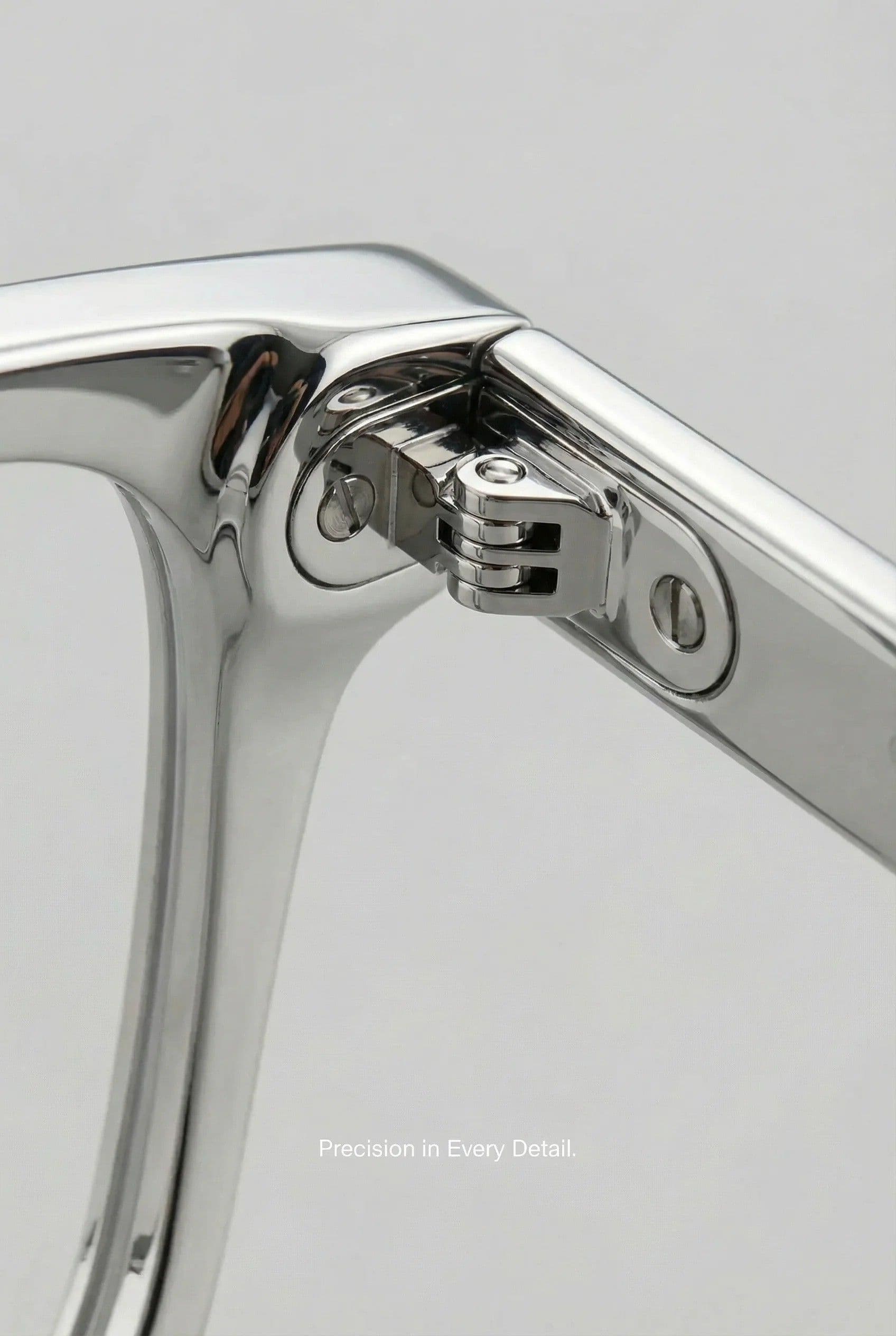
Prompts that land on the first try read like a brief to a photographer. "A product shot of a mug" leaves the angle, light and background to chance. "Eye-level shot, mug on the left third, blurred kitchen behind, soft daylight from the right" settles all three before the model starts.
A Prompt Formula You Can Reuse
Most strong image prompts answer the same six questions in the same order. Fill in the brackets and delete anything that doesn't apply:
[Format and ratio] of [subject], [setting or background], [lighting], [style or medium], [composition], [text in quotes, or "no text"].
Filled in, it reads like this:
Vertical 4:5 product photo of a matte black water bottle on a wet granite rock beside a mountain stream, early morning side light, crisp commercial photography style, bottle centered with empty space above for a headline, no text.
Format goes first because it shapes everything after it. Text goes last, in quotes, so the model treats it as words to render rather than as part of the description. The 25 prompts below all follow this pattern, so you can swap the subject and keep the rest. For more worked examples with the images they produced, browse the Playyy prompt gallery.
25 ChatGPT Image Prompts to Copy
Each prompt is ready to paste into a new chat. Replace the product, brand name or place with your own, and keep the details about light, framing and shape, which are what make a result usable.
Product photos
1. White-background listing shot
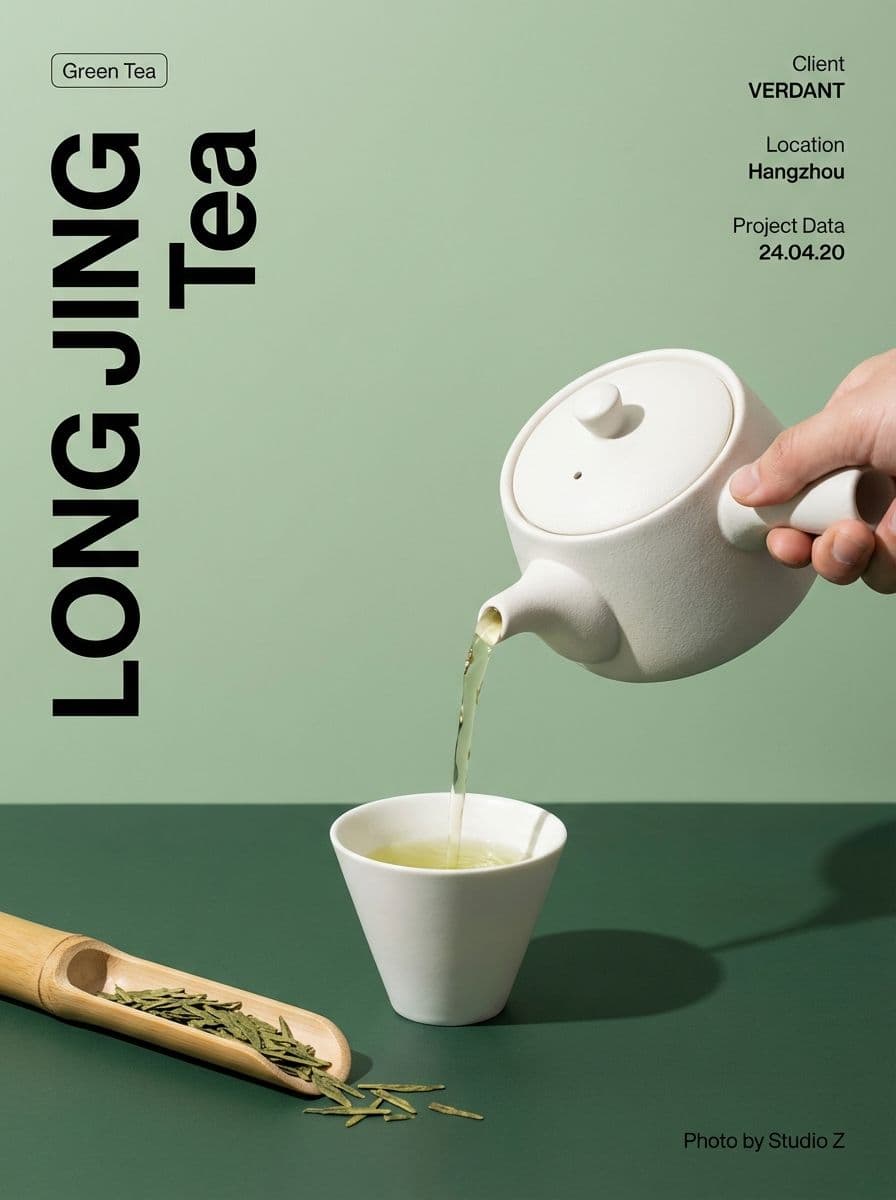
Square 1:1 product photo of a ceramic pour-over coffee dripper on a pure white background, soft even studio light, gentle shadow directly under the product, sharp focus on the glaze texture, product fills 80% of the frame, no text, no props.
2. Lifestyle scene
Vertical 4:5 lifestyle photo of a linen tote bag hanging from a wooden chair in a sunlit Scandinavian kitchen, morning light from a window on the left, warm neutral tones, shallow depth of field, tote bag in sharp focus, no people, no text.
3. Flat lay
Top-down flat lay on a light oak table: a skincare set of one cleanser, one serum bottle and one jar of cream, arranged on a diagonal with eucalyptus sprigs and a folded cream towel, soft diffused daylight, calm spa mood, 1:1 square, no text.
4. Hero banner with copy space
Wide 16:9 banner photo of wireless earbuds in an open charging case on a smooth concrete surface, cool blue rim light from behind, dark moody background, product on the right third, large empty area on the left for a headline, no text.
5. Product in use
Vertical 4:5 photo of a hand holding a glass jar of honey with a wooden dipper above a stack of pancakes, honey mid-drip, golden hour light from the right, cozy brunch table softly blurred behind, warm and appetizing, no text.
Social media posts
6. Announcement post
Square 1:1 social post with a bold headline "New Drop Friday" in thick white sans-serif letters over a close-up of folded pastel hoodies, high-contrast lighting, playful streetwear look, headline centered in the upper third.
7. Quote card
Vertical 4:5 quote card with the text "Small steps every day" in an elegant serif font, centered on a soft sage green background with a subtle paper texture, a thin hand-drawn line underneath, plenty of empty space, calm minimal style.
8. Story background
Vertical 9:16 story background of a sunlit café table with a latte and an open notebook, shot from above, soft pastel tones, the top 30% kept as plain light wall for text, no text, no people.
9. Carousel cover
Vertical 4:5 carousel cover slide with the headline "5 Pantry Swaps" in large black letters on a cream background, a flat illustration of jars and a wooden spoon in the lower half, clean editorial magazine style.
Posters and flyers
10. Event poster
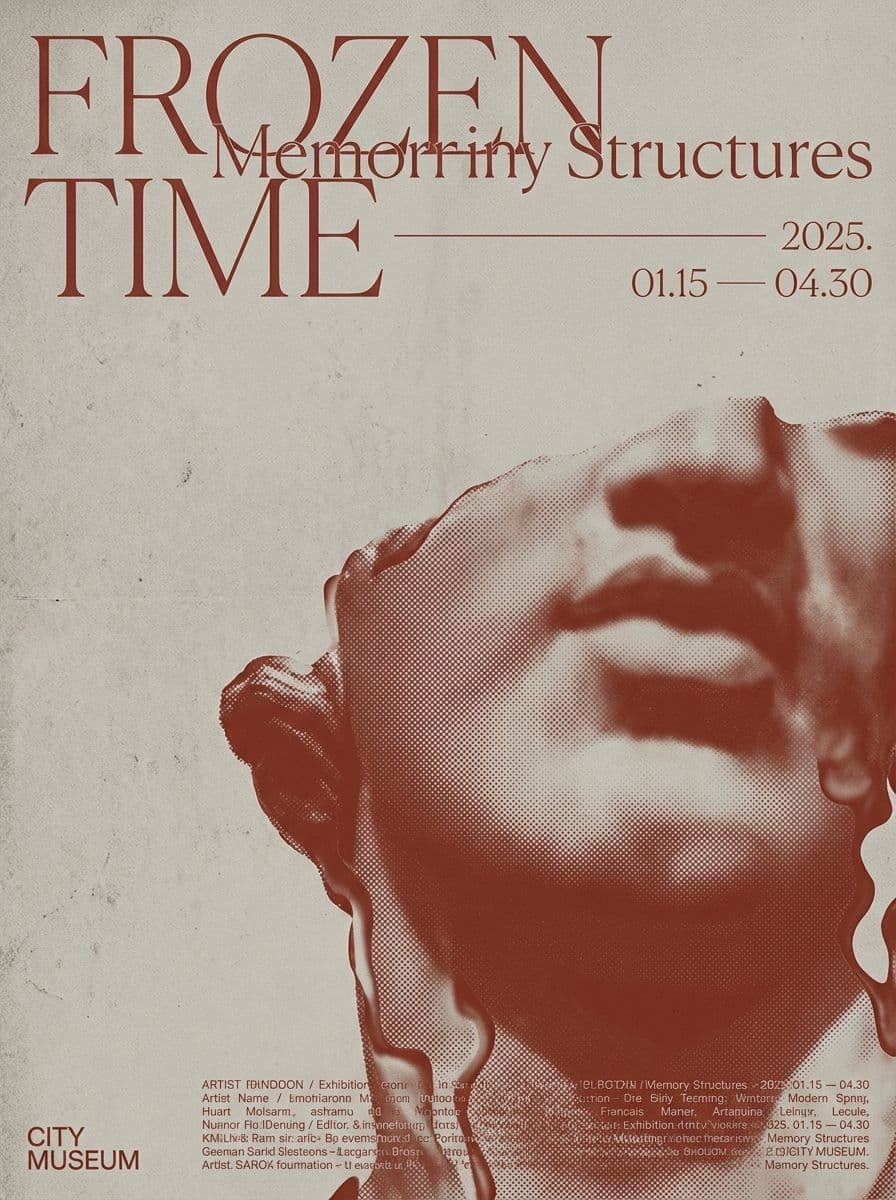
Vertical 2:3 event poster for a summer night market, with the title "Night Market" at the top and "June 14, 6 PM" at the bottom, string lights over food stalls, warm orange and deep blue colors, retro screen-print texture.
11. Sale flyer
Vertical US Letter flyer for a bakery sale with the headline "Half Price Loaves" in bold red letters, a basket of crusty bread in the center, cream background, cheerful hand-drawn doodles of wheat in the corners, clean layout with large readable type.
12. Concert poster
Vertical 2:3 gig poster for a jazz trio, title "Blue Hour Trio" in tall condensed letters, a stylized saxophone in silhouette against a gradient from navy to violet, grainy risograph texture, two-color print look.
13. Workshop flyer
Vertical 4:5 flyer for a beginner pottery workshop with the heading "Clay Basics", a pair of hands shaping a bowl on a wheel, earthy terracotta and cream palette, soft natural light, friendly community-center style.
Portraits and avatars
14. Professional headshot from your photo (upload it first)
Turn this photo into a professional LinkedIn headshot: same face, hairstyle and expression, navy blazer over a white shirt, soft studio light from the front left, plain light gray background, square 1:1, head and shoulders framing.
15. 3D avatar (upload a photo first)
Turn the person in this photo into a friendly 3D animated character with soft rounded features, keep the hair color, glasses and smile, plain pastel peach background, square 1:1, head and shoulders.
16. Illustrated profile picture
Square 1:1 flat vector illustration of a young woman with curly red hair and round glasses, smiling, wearing a mustard sweater, simple shapes, limited palette of five colors, solid teal background, centered for a circular crop.
17. Team page portrait
Square 1:1 portrait of a middle-aged chef in a white jacket with arms crossed in a bright restaurant kitchen, warm natural light, background softly blurred, friendly confident expression, editorial photography style, no text.
Logos and icons
18. Wordmark
A minimal wordmark logo for a coffee roastery called "Ember & Oak", warm brown letters in a geometric sans-serif font, a small flame replacing the dot of the ampersand, centered on a plain white background, flat vector style.
19. Icon logo
A simple flat logo icon of a fox head built from three triangles, orange and charcoal, centered on a transparent background, no text, suitable for an app icon.
20. Icon set
A set of six matching line icons on a white background, arranged in a 3 by 2 grid: shopping bag, heart, truck, chat bubble, star and gift box, 2 px rounded strokes in navy blue, consistent style, no text.
21. Badge logo
A round vintage badge logo for a hiking club with the text "Ridge Walkers" around the edge, mountains and pine trees in the center, two colors, forest green and cream, flat vector style, plain background.
Edits to a photo you upload
22. Swap the background
Replace only the background of this photo with a clean white studio backdrop. Keep the product's shape, label, colors and shadow exactly as they are.
23. Remove a distraction
Remove the person walking in the background on the right side of this photo. Fill the area with matching beach and sea. Change nothing else.
24. Change a color
Change only the color of the sweater to deep burgundy. Keep the fabric texture, folds, lighting and everything else in the photo the same.
25. Restyle a room
Restage this living room in a warm Japandi style: low wooden furniture, beige linen sofa, paper floor lamp and one large plant. Keep the walls, windows, floor and camera angle exactly as they are.
Edit prompts work best when they say what to keep as clearly as what to change. Upload the photo with the plus button before you paste them, and make one change per message so details you like stay put.
Is the ChatGPT Image Generator Free?
Yes. OpenAI's ChatGPT Free Tier FAQ lists "Create images in ChatGPT" among the free features, and Images 2.5 rolled out to users on all tiers.
The catch is the limit. Image creation has its own usage cap, separate from text chat, and OpenAI doesn't publish a number for it. When you reach it, ChatGPT shows a notice and you wait for the limit to reset. Paid plans such as Plus have higher limits, and upgrading resets a limit you've already hit. Any exact daily count quoted online is a snapshot from someone's account, not an official figure.
If you're producing a batch of campaign visuals, plan around the cap: every follow-up edit is a new generation, so revisions draw on the same allowance as first drafts.
What Images Can You Generate With ChatGPT?
Nearly anything you can describe, within OpenAI's content rules. The common uses fall into a few groups:
- Photos and product shots. A product on a styled table, a lifestyle scene, a flat lay for a menu.
- Posters, flyers and graphics with text. Short headlines in quotes render reliably, in English and in other scripts.
- Merch and mockups. The "Merch" template gives you a starting layout for T-shirts, mugs and stickers.
- Portraits in a new style. The Images page has presets that restyle your own photo, such as anime, 3D avatar, caricature, tarot card or a 1980s portrait.
- Diagrams and layouts. OpenAI's Images 2.5 announcement says the model handles more complex layouts, including transparent backgrounds, and follows reference photos more closely.
What ChatGPT declines is decided by its safety checks, which review both the prompt and the image before you see a result.
What Changed in Images 2.5
Images 2.5 replaced Images 2.0, which OpenAI launched in April 2026. According to OpenAI, generation latency is down by up to 50%, lighting and textures look more natural, subjects from reference photos stay more recognizable, and edits hold steadier across a long conversation. Three new tools arrived with it: Sketch (@Sketch), templates for formats like posters, flyers, product photos and merch, and comments placed directly on an image. You can also share an image together with the prompt behind it.
For a version-by-version comparison, including when the older GPT Image 2 model is still the better pick, see ChatGPT Images 2.0 vs 2.5.
Where It Falls Short, and How to Edit the Result
ChatGPT is excellent at producing a first image. The friction starts when that image has to fit somewhere specific.
Exact sizes. You describe the shape in words, so you get a ratio close to what you asked for rather than a fixed pixel size. An Instagram post at 1080 × 1350 or a 1200 × 628 ad slot still needs a crop afterwards.
Numeric adjustments. "Slightly brighter" means something different to the model each time. When you need +10 exposure or a warmer white balance to match the rest of a campaign, sliders are faster than another prompt.
Small details across edits. Every change is generated by the model again. Images 2.5 is much better at leaving untouched areas alone, but a product label, a logo or a face can still shift a little between versions, and each retry uses part of your image limit.
The fix is to treat the ChatGPT image as a draft and finish it in an editor:
- Download the image at the largest size ChatGPT gives you.
- Crop it to the exact ratio you need with an image cropper that has social presets.
- Adjust brightness, contrast and color with sliders, not prompts.
- For one wrong object, click the element and describe the edit so the rest of the picture stays exactly as it is.
The ChatGPT side of editing, including which instructions work and where drift sets in, is covered in our guide to the ChatGPT photo editor.
How to Use GPT Image 2.5 Outside ChatGPT
GPT Image 2.5 is the model behind ChatGPT Images 2.5, and OpenAI offers it to developers through the API, so other tools can run the same model with a different interface around it.
In Playyy, GPT Image 2.5 is the default model, with Nano Banana Pro and Nano Banana Lite in the same menu. Instead of describing the format in words, you set it before generating: one of nine aspect ratios from 1:1 to 16:9 and 9:16 (or Auto), a 1K, 2K or 4K resolution, and, for GPT Image 2.5, Low, Medium or High quality. The image then opens on an editable canvas, where crop, color, background removal and element edits apply directly to the pixels you already have.
A typical run: generate a 4:5 product scene at 2K, crop a 1:1 version for the feed, warm the temperature a few points to match the campaign, and erase a stray reflection. In ChatGPT that's three or four new generations; on a canvas it's four quick edits on one image. Paste your website URL and Playyy builds a brand kit with your colors, fonts and logo, so prompts only need to say what the picture shows. You can try it in Playyy's GPT Image generator.
ChatGPT vs GPT Image 2.5 on a Canvas
| What you need | ChatGPT Images 2.5 | GPT Image 2.5 in Playyy |
|---|---|---|
| Create from a text prompt | Yes | Yes |
| Free to start | Yes, with an image limit | Yes, daily free credits |
| Reference input | Upload a photo or @Sketch | Upload a reference image |
| Starting points | Templates and style presets | 1,000+ templates and a prompt gallery |
| Aspect ratio and resolution | Described in the prompt | Picked from presets, 1K / 2K / 4K |
| Targeted edits | Comments on the image, then redo | Click an element and describe the edit |
| Crop, brightness, color | Ask in a follow-up | Crop presets and adjustment sliders |
| Brand colors, fonts, logo | Described or uploaded per chat | Brand kit built from your website URL |
Use ChatGPT when the image is an idea, a mock-up or part of a conversation you're already having. Use the model on a canvas when the image has to ship at a set size, match a brand palette or survive several rounds of feedback. Many teams do both: explore in ChatGPT, then finish the final version where edits are exact.
Prompt Tips for Images 2.5
- Put the format first. "Vertical 9:16 story image of…" gets the right shape more often than adding the ratio at the end.
- Quote the text you want rendered.
A poster with the headline "Spring Market, May 12". Short quoted lines come out clean; long paragraphs still break. - Name the light. "Overcast daylight" or "golden hour from the left" does more than "beautiful lighting".
- Say what to leave out. "No text, no watermark, no extra people" heads off the most common unwanted additions.
- Change one thing per message. Three edits at once raise the odds that something you liked moves.
The Bottom Line
The ChatGPT image generator is free to start and simple to use: describe the picture, refine it in follow-ups, download it. The formula and the 25 prompts above give you a strong first draft in each common format. Images 2.5 made it faster and steadier, and Sketch, templates and comments make it easier to steer. What it leaves to you is the finishing: exact sizes, precise color and pixel-level fixes.
When you need that control from the start, generate with GPT Image 2.5 in Playyy and edit the result on a canvas.

Emily Carter
I help marketing teams at early-stage SaaS companies and DTC brands produce more campaign assets without losing brand consistency. My focus is on practical workflows for growth marketers — from paid social testing to creative iteration.
Frequently asked questions
Yes. Image creation is part of the ChatGPT free tier, and Images 2.5 rolled out to all plans on the web, desktop and mobile. Free accounts have a separate usage limit for images; ChatGPT shows a notice when you reach it and you wait for it to reset. Plus and other paid plans have higher limits.