Brand Kit Examples That Show What a Kit Includes
 Claire Dubois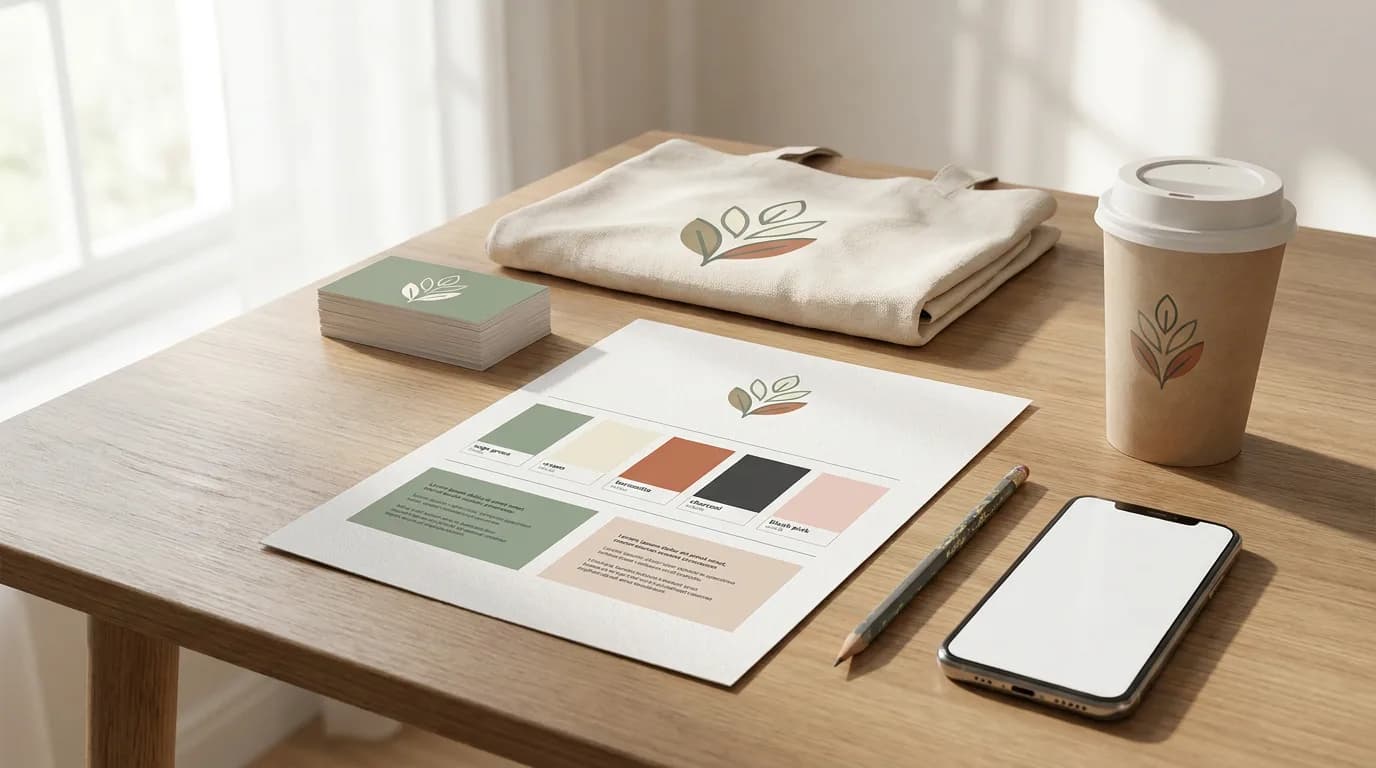
Every business needs a brand kit the moment a second person makes something with its logo: a freelancer designing a flyer, a teammate posting on Instagram, a printer asking for the "vector file." Brand kit examples from real companies look very different, from a one-page sheet for a café to a downloadable press kit for a global app, but they solve the same problem. They put the right files and a few clear rules in one place so the brand looks the same wherever it shows up.
Direct answer. A brand kit is a compact, shareable package of the assets and short rules needed to make anything look like your brand: logo files, color codes, fonts, imagery and brief usage notes. It's the practical toolbox people use day to day, smaller and faster to use than a full brand style guide.
What Is a Brand Kit, and How Is It Different From a Style Guide?
A brand kit is a compact, shareable package of the assets and short rules needed to make anything look like your brand. Think of it as the toolbox. Somebody opens it, grabs the right logo, copies the HEX code, installs the font and gets on with the job.
A brand style guide is the rulebook that sits behind the toolbox. It explains spacing, hierarchy, photography direction and the do and don't examples that keep a brand consistent as more people touch it. A style guide can run dozens of pages; a brand kit is often a single board, a shared folder or a brand profile inside a design tool.
Startups usually need both in a light form. The startup brand guidelines guide covers the minimum rules worth writing down; this article covers the kit those rules point to.
What Is in a Branding Kit? A Checklist
Most brand kits cover the same seven parts. Use this as a checklist when building or auditing yours.
- Logo versions. Primary logo, a horizontal or stacked alternative, an icon or monogram for small spaces, and one-color versions for dark and light backgrounds.
- Logo file formats. SVG or EPS for print and scaling, transparent PNG for digital use, and a PDF for printers.
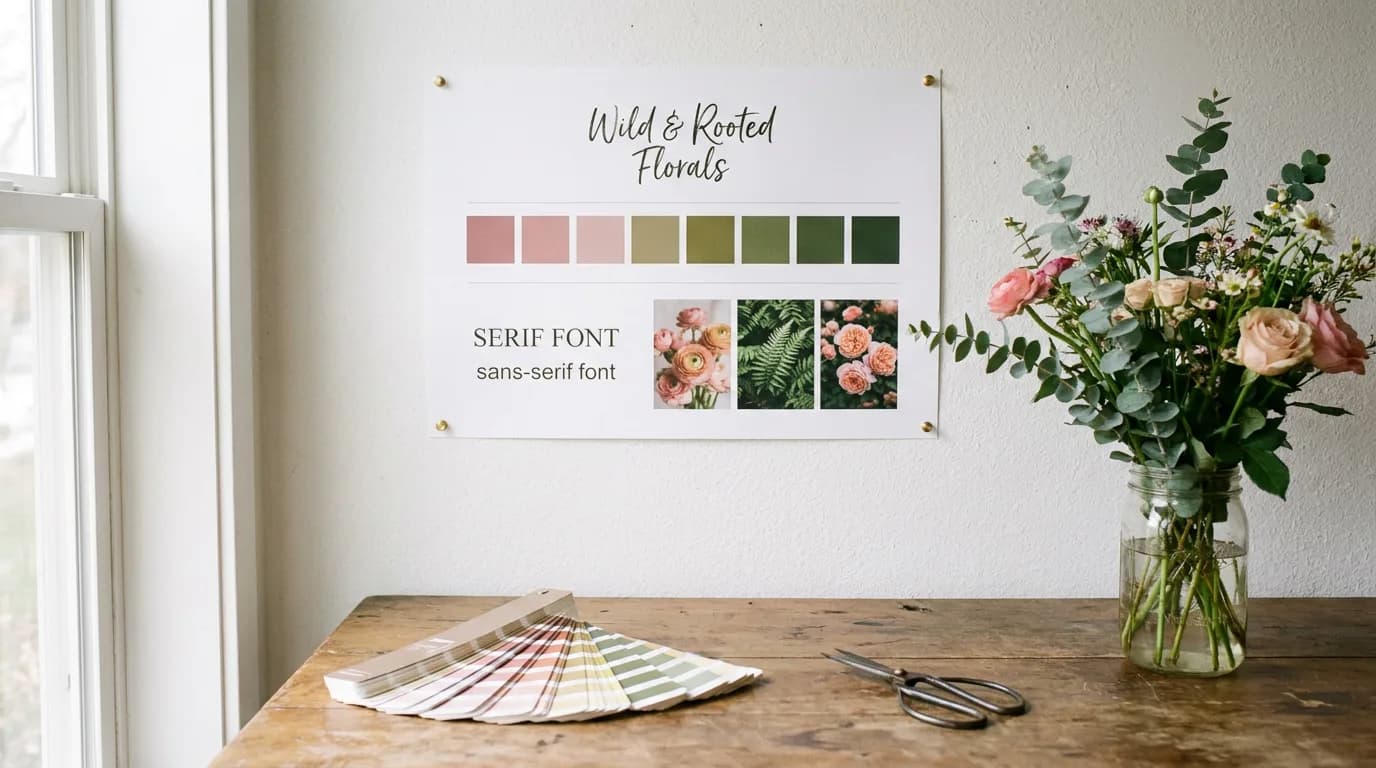
- Color palette. Two to five colors with exact HEX, RGB and CMYK values, labeled by role: primary, accent, background, text.
- Typography. One headline font and one body font, with weights and a fallback system font for email and documents.
- Imagery. A few reference photos, illustrations, patterns or textures that show the visual mood.
- Voice. Three to five adjectives for the brand's tone plus one or two sample sentences.
- Usage notes. Minimum logo size, clear space, and the two or three mistakes people make most often.

Usage notes are where small kits most often fall short, yet they are what keep a logo legible. Spotify's design guidelines for partners set the full logo's minimum size at 70px on screen or 20mm in print, and the icon's at 21px or 6mm, with clear space equal to half the icon's height. Two numbers like that prevent most misuse of a logo, which is why every brand kit should state its own.
Brand Kit Examples by Business Type
The same seven parts get weighted differently depending on what the business actually produces. These brand kit examples show what each type of business should emphasize.
Coffee shop or restaurant
Print carries this kit. Menus, cups, window decals and chalkboard signs need one-color logo versions, CMYK values that match the printed cup, and a stamp-style icon for stickers and loyalty cards. Imagery leans on real interior and food photos, and the voice notes cover how specials and menu descriptions are written.
Clothing or merch brand
The logo is the product here. A clothing brand kit needs a wordmark that works as a neck label, a small icon for sleeve and chest hits, and ink-friendly colors limited to two or three per design. Garment colors belong in the kit too, so mockups and listings always show the brand's actual blanks. Starting a clothing brand goes through how that identity feeds the first drop.
SaaS or tech startup
Screens dominate. Expect a larger color system with UI states (success, warning, error), an icon style, product screenshot framing rules, and a pitch deck and social template. Many tech companies also publish a public press kit with downloadable logos and usage rules for partners and journalists.
Solo consultant or coach
The person is the brand, so the kit centers on a headshot style, a simple wordmark, two colors and a proposal or slide template. Voice notes matter more than usual because most of the brand reaches clients through emails, posts and calls.
Beauty or skincare brand
Packaging and photography set the tone. The kit specifies product photo backgrounds, lighting mood, texture shots, label typography and the exact color of the packaging so ads and listings match the bottle in a customer's hand.
Nonprofit or event
A nonprofit or event kit is built for volunteers and partners who are not designers. It needs ready-made templates for posters, social posts and sponsor slides, a co-branding rule for partner logos, and a short note on how to describe the cause in one sentence.

Public brand pages are a useful reference for how big companies package the same parts. Mailchimp's brand assets page, for example, names its hero color Cavendish Yellow, offers the logo as EPS and PNG files, and asks people to leave plenty of space around the logo and avoid altering it. That is a brand kit in its most compact public form: files, a named color and a few rules.
A Brand Kit Template You Can Copy
A brand kit template works best as one page with six blocks. Fill each one in this order, because each block depends on the one before it:
| Block | What to fill in |
|---|---|
| Logos | Primary, alternate layout, icon, light and dark versions; SVG, PNG and PDF files |
| Colors | 2 to 5 swatches with role, HEX, RGB and CMYK |
| Typography | Headline font, body font, weights, fallback font |
| Imagery | 3 to 6 reference images that show subject, light and mood |
| Voice | 3 to 5 adjectives and two sample sentences |
| Usage | Minimum logo size, clear space, top three don'ts |
Keep it to one screen if you can. A brand kit that takes five minutes to read gets used; one that takes an hour gets skipped, and people go back to pulling the logo from a Google image result.
How Much Does a Brand Kit Cost?
The price depends on whether the identity already exists. Commissioning a new identity is the expensive part: a 2026 branding cost breakdown from Design Monks lists full branding systems from freelancers at $1,500 to $5,000, a logo plus mini brand kit for startups at $3,000 to $7,000, and agency branding systems at $15,000 to $50,000.
Packaging an identity you already have into a kit costs far less. If the logo, colors and fonts are settled, building the kit is a matter of exporting files, writing down codes and adding usage notes, which a founder can do in an afternoon or generate from the website in minutes.
How to Create a Brand Kit From Your Website
If your business already has a website, most of the brand kit already exists. The logo is in the header, the colors are in the buttons and backgrounds, the fonts are in the headings, and the copy shows the voice.
Playyy's brand kit generator reads all of that from a URL. Paste your website address and Playyy analyzes the site, including a screenshot of the page, then builds the kit: logos, brand colors, headline and body fonts, reusable brand assets, and written guidelines covering brand personality, voice, color usage, typography, logo usage, imagery, composition and best practices. Working from an existing brand guide instead? Upload it as a PDF, or upload a set of images, and Playyy reads those.
Everything in the generated kit stays editable. Adjust a color, upload your own font files, or rewrite a guideline in your own words. Once saved, pick the brand from the brand picker and every poster, flyer, social post, presentation and website starts in your logo, colors, fonts and voice. On team plans, the whole workspace shares the same kits, which removes the most common source of off-brand work: someone using an old logo file.
Put Your Brand Kit Where People Make Things
A brand kit is only as useful as it is reachable. Keep it short: seven parts, one page, exact codes and a few usage rules. Weight it toward what your business produces most, whether that's printed cups, garments or app screens. And store it inside the tools your team designs with, so the right logo and colors are the default rather than something people have to remember. To build yours from what's already on your site, create a brand kit from your website URL and start designing with it.
Keep Reading
- 12 Brand Identity Examples, Sorted by Business Type — the strategy layer behind the files in your kit.
- What Logo Size Do You Actually Need? — which logo files to include and where each one is used.
- Why Brand Consistency Matters for Local Businesses — how to keep every channel on-brand as more people create content.
- 7 Types of Logos, and the Versions Each One Needs — choose the logo style that works across every version in your kit.

Claire Dubois
I advise fashion, beauty, lifestyle and hospitality brands on campaign direction, brand storytelling and visual consistency. I care deeply about how brands use AI tools while preserving taste, restraint and a coherent art direction.
Frequently asked questions
A branding kit holds the assets and short rules needed to make anything look like your brand: logo files in several versions and formats, color codes in HEX, RGB and CMYK, headline and body fonts, a few reusable graphics or photos, and brief notes on voice and logo usage. Larger brands add templates for the formats they publish most.