20 Portfolio Website Examples, Sorted by Profession
 Aiko Tanaka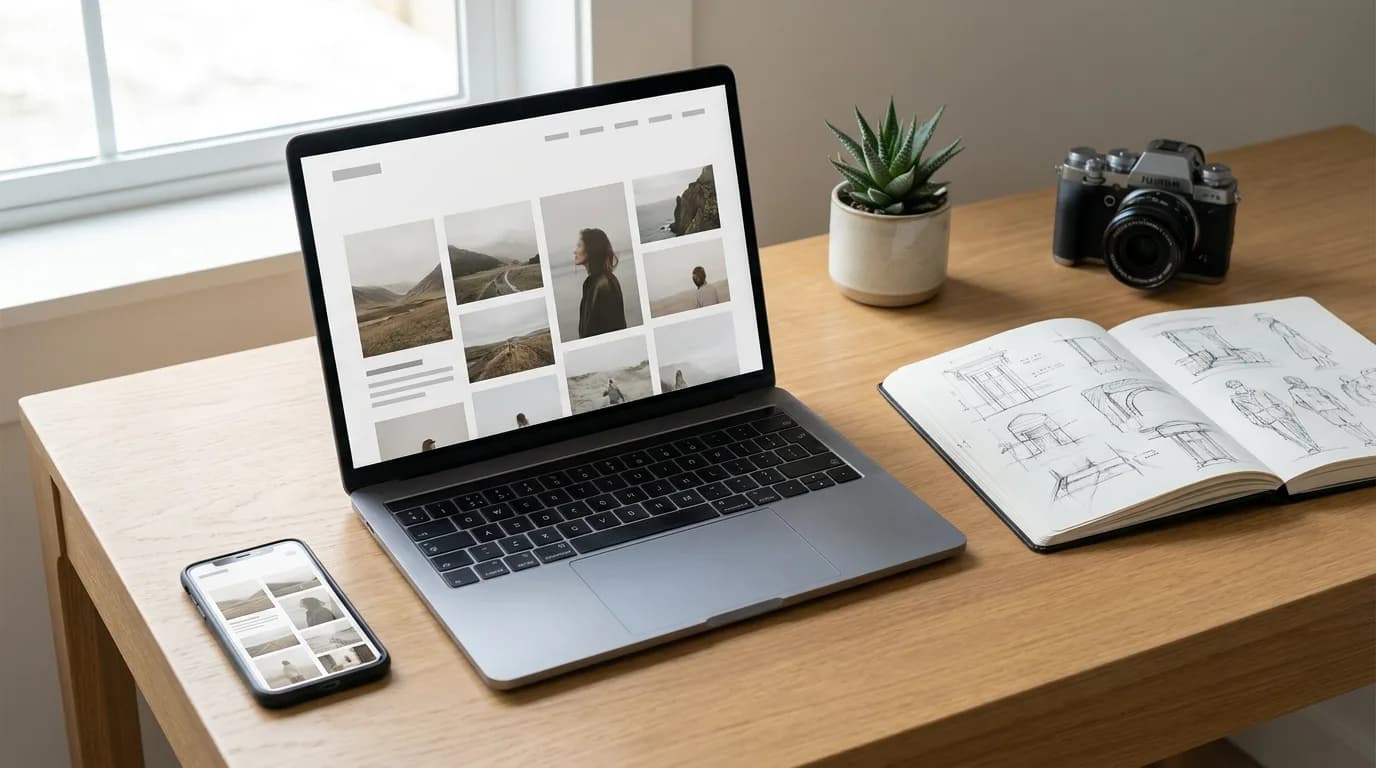
A portfolio website does one job: it gets the right person to say "we should talk to them." The best portfolio website examples get there in different ways depending on the profession. A photographer's site lets the images carry everything, an architect's site tells a project story through drawings and finished spaces, and a developer's site proves skill through shipped work and code. Copying a layout from another field is the most common reason a portfolio feels off, so the examples below are grouped by profession, with what each pattern does well.
Direct answer. The strongest portfolio website examples show three to six best projects, explain the problem and the role behind each one, and end with an easy way to get in touch. Designers lead with case studies, photographers with full-bleed galleries, architects with project stories, writers with clips and topics, and developers with shipped projects and code.
What the Best Portfolio Websites Have in Common
Before the examples, the pattern that runs through all of them. Nielsen Norman Group surveyed 204 UX professionals in charge of hiring about what they look for, and its guidance on design portfolios recommends three to five projects as detailed case studies, chosen to match the work you want next, and laid out so a reviewer can scan rather than read word for word. That advice holds well beyond UX.
In practice, the best portfolio websites share four traits: a clear one-line statement of what the person does, a curated selection rather than an archive, context for each project, and a contact path that's always one click away. A real photo in the about section helps too; a professional profile picture can be made at home or generated with AI.

Designer Portfolio Website Examples
1. The case-study-first product designer
The home page shows three large project cards, each with a one-line outcome ("Cut checkout steps from five to two"). Each card opens a case study structured as problem, role, process, solution and result. It works because hiring managers can judge thinking, not just visuals, in under a minute.
2. The brand designer with a single-hero grid
One oversized hero project fills the first screen, followed by a tight grid of brand identities shown as real-world applications: packaging, signage, merch. Showing the logo on a cup or a storefront proves the identity works outside a slide.
3. The illustrator with a filtered gallery
A gallery with simple filters (editorial, packaging, character design) lets art directors jump to the work that matches their brief. Each image opens large, with the client name and usage in one line.
4. The motion designer with autoplay previews
Silent looping previews on each project card show motion before anyone clicks play. Full reels sit on the project page. It respects the visitor's time and shows the craft at a glance.
Photographer Portfolio Website Examples
5. The full-bleed single-series home page
The first screen is one photograph at full width, and scrolling moves through a single strong series. Minimal navigation keeps attention on the images. It suits fine art and editorial photographers whose style is the selling point.
6. The wedding photographer with stories, not shots
Instead of a grid of best-ever frames, each entry is a full wedding told in 30 to 40 images, from preparation to the last dance. Couples see what they'll actually receive, and a pricing guide request form sits at the end of every story.
7. The commercial photographer sorted by client type
Work is grouped into food, product and portraits, each with recognizable client logos above the images. Art buyers can find relevant work in seconds and see the photographer has handled real briefs.
8. The portrait photographer with a booking-first layout
A short intro, a strip of portraits, three session packages and a booking form. For local portrait and headshot work, the site's job is to turn a visit into a booked session, and this layout gets there in one scroll.
Architect Portfolio Website Examples
9. The project-story page
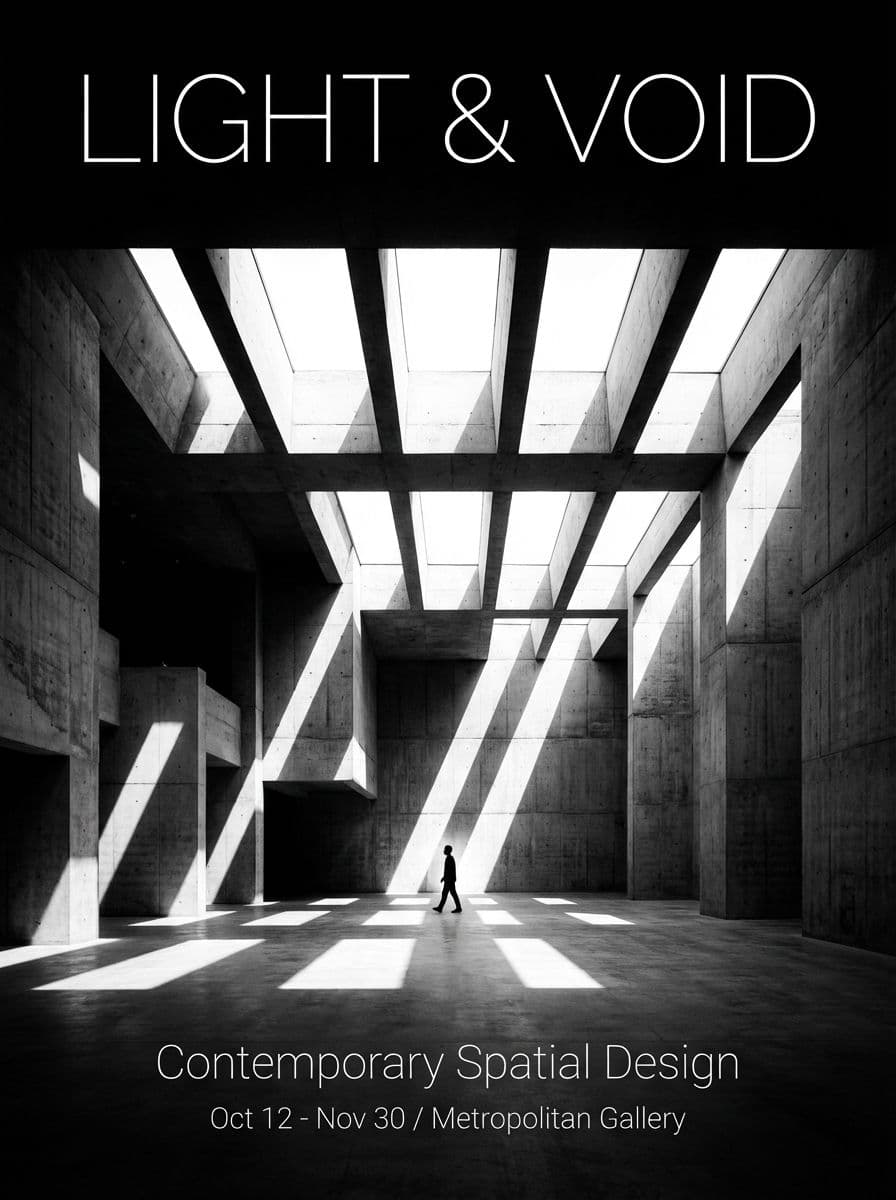
Each project opens with a single hero photograph of the finished building, then moves from site plan to sketches, models and final photography. The sequence shows how the idea developed, which is what clients and juries want to understand.
10. The map-based studio site
Projects appear as points on a map, filtered by type (residential, cultural, public). It works for studios whose work is tied to place and for clients looking for local experience.
11. The drawing-led student portfolio
Clean white pages, large orthographic drawings and short captions. For graduates applying to firms, the drawings carry the argument, and a downloadable PDF version sits in the header for application systems that require one.
12. The interior designer with before and after
Paired images show each room before and after, followed by a short note on the brief and the materials. Homeowners understand the value of the work immediately.
Writer Portfolio Website Examples
13. The clips page grouped by topic
Published pieces are grouped by subject (tech, travel, food), each with the outlet, headline and a two-line summary linking to the original. Editors can see range and depth in their beat at a glance.
14. The copywriter with results attached
Each sample shows the brief, the copy and the outcome, such as a landing page with its conversion change or an email sequence with its open rate. For commercial writers, the result is the proof.
15. The author site built around one book
A cover image, a one-paragraph pitch, retailer links, a newsletter signup and a short bio. Everything else is secondary. It's a clean example of a one page website that does one job.
16. The ghostwriter with testimonials instead of bylines
When the work carries someone else's name, the portfolio leans on client testimonials, anonymized excerpts and the types of projects handled. It shows trust and process instead of credits.
Developer Portfolio Website Examples
17. The shipped-projects list
Each project has a screenshot, a one-sentence description, the tech stack, and links to the live site and the repository. Recruiters and clients can verify the work in two clicks.
18. The terminal-style personal site
A command-line inspired interface with typed commands for "about," "projects" and "contact." It's playful and memorable, and it works best when the projects behind it are strong, because the gimmick only gets one click.
19. The open source contributor page
Highlights pull requests, maintained libraries and download counts, with a short writing section explaining technical decisions. For engineering roles, it shows collaboration as well as code.
20. The full-stack freelancer with services
Three service tiers, a few client projects with outcomes, a process section and a contact form. It speaks to small business owners who want a site or an app, not to other developers.
One Page Website Examples That Work for Portfolios
Several of the examples above are single-page sites, and for a lot of people that's the right format. One page website examples that work tend to follow the same order: a short intro with name and specialty, selected work, a brief about section with a photo, testimonials or client logos, and a contact form at the end. Anchor links in the navigation jump to each section.

A single page suits students, freelancers with a few strong projects, and anyone launching a side project. For a time-bound launch, such as a new service, a book or an exhibition, an AI landing page generator creates a focused page with a sign-up form you can preview privately before going public. Move to multiple pages once projects need full case studies of their own.
How to Build a Portfolio Website With an AI Website Builder
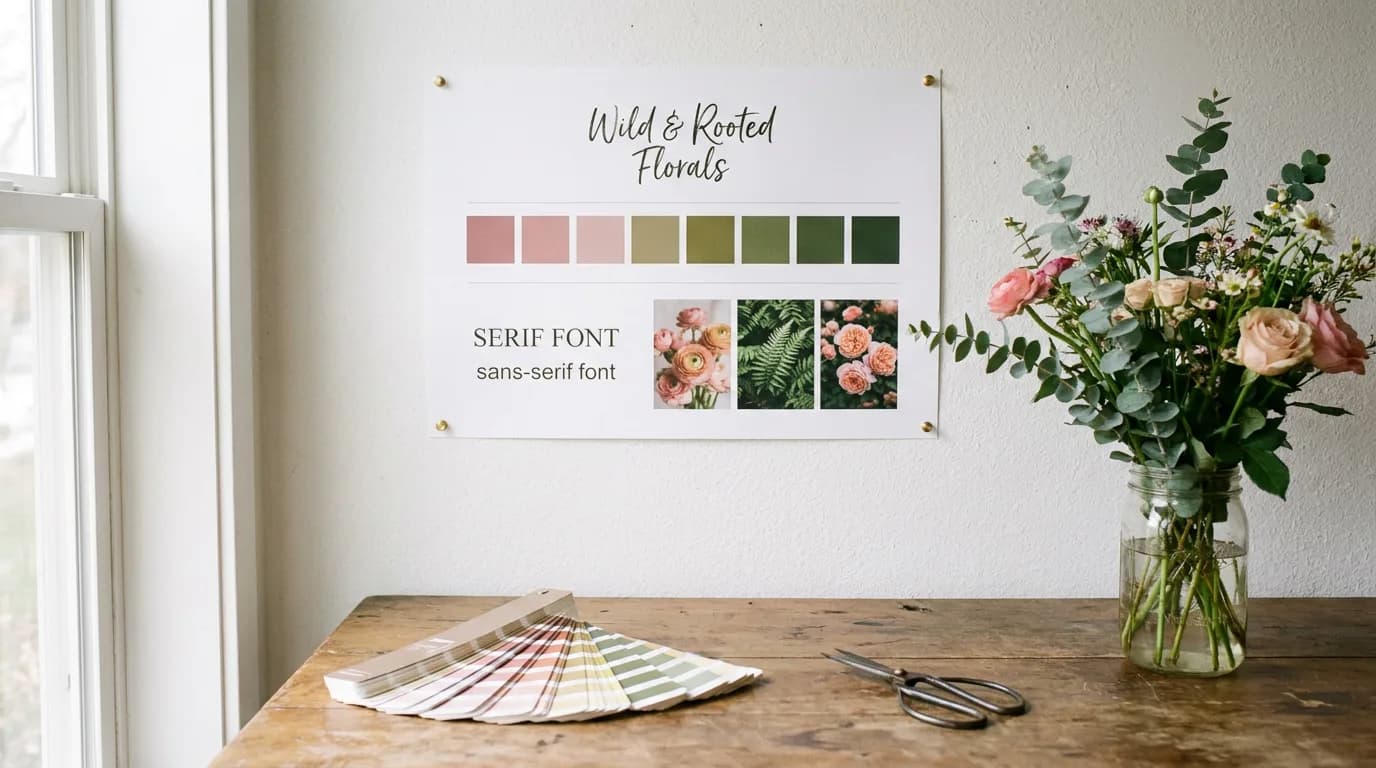
Start with the content, because no layout fixes weak material. Pick three to five projects, write two or three sentences about each (problem, your role, result), and choose one strong image per project. Write a one-line statement of what you do and a short bio. Pull your logo, colors and fonts together in a brand kit if you have one.
Then describe the site. Playyy's AI website builder turns a description like "one-page portfolio for a wedding photographer in Lisbon: intro, three wedding stories, packages, about, booking form" into real HTML pages. If your workspace has a brand kit, your logo, colors and fonts appear from the first draft.
Refine on the canvas. Click any element to move, resize or retype it, or ask the agent in chat for changes such as "make the projects section a two-column grid" or "rewrite the intro for corporate clients." Ask for a form with your own questions and read every submission in the Responses panel.
Publish when it's ready. The site goes live on your Playyy workspace subdomain, and each page can be Public, Password protected for a private review, or Workspace members only. Set the title, description, site icon and a 1200x630 link preview image so the link looks right when you send it to a client or post it on LinkedIn.
Pick the Pattern That Fits Your Work
The portfolio website examples that work best match the profession: case studies for designers, series for photographers, project stories for architects, clips with context for writers, and shipped work for developers. Choose one pattern, keep the selection tight, and make contact easy. When the content is ready, build your portfolio with Playyy's AI website builder and publish it in one click.
Keep Reading
- AI Design Tools for Freelancers — how independent designers produce client work and their own marketing in one place.
- 7 Personal Brand Examples for Creators to Study — make your portfolio, profiles and posts look like one brand.
- Job Application Ready: AI Headshot, Resume, and CV — headshots and resume visuals to send alongside your portfolio link.
- AI Brand Kit Generator — turn your existing site into a reusable set of logos, colors and fonts.

Aiko Tanaka
I work with boutique brands, cafes, creators and small businesses on visual systems, layout discipline, typography and moodboards. My focus is on fast concept exploration that still has a strong design point of view.
Frequently asked questions
Five things cover most professions: a one-line statement of what you do and for whom, three to six of your strongest projects, short context for each project explaining the problem and your role, an about section with a photo, and a clear way to contact or hire you. Add testimonials, client logos or a resume link if they strengthen the case.